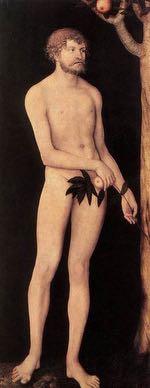
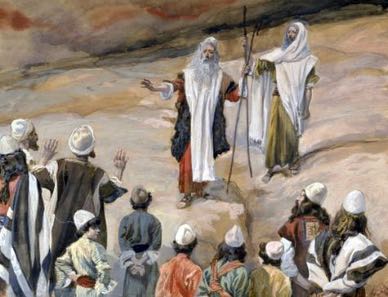
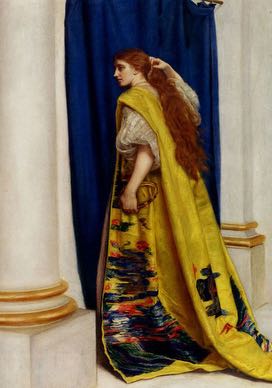
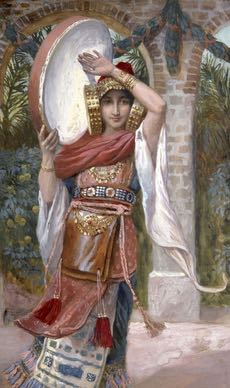
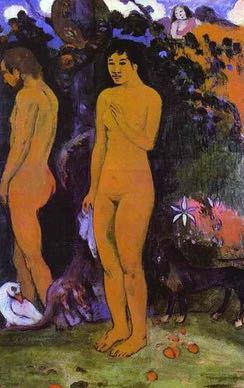
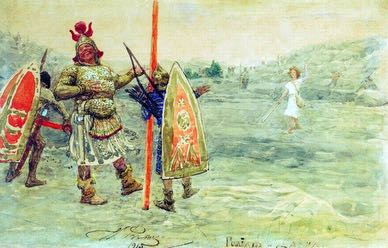
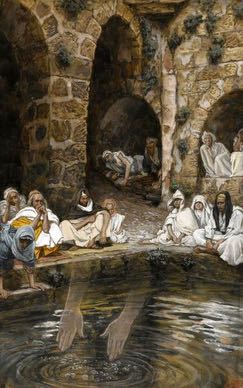
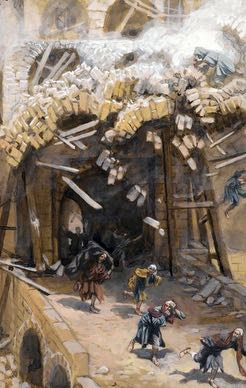
Biblical painting has long been a profound expression of religious devotion and artistic mastery, capturing the rich narratives and divine themes found in the Bible. This genre of art is celebrated for its ability to convey the spiritual depth and historical significance of biblical stories, offering viewers a visual connection to sacred texts and spiritual truths. From early religious frescoes to contemporary interpretations, biblical painting has played a central role in the history of art and continues to inspire and educate audiences across the world.
The origins of biblical painting can be traced back to the early Christian era, when the first artists began to adorn the walls of catacombs and churches with scenes from the Old and New Testaments. These early works were often characterized by their symbolic and didactic nature, serving both as spiritual reminders and tools for instruction in an era when literacy was limited. As Christianity spread throughout Europe, so did the art of depicting biblical stories. During the Byzantine period, artists developed a distinctive style characterized by rich iconography and the use of gold backgrounds, reflecting the heavenly and eternal nature of the divine.
The Renaissance era marked a significant evolution in biblical painting, with artists such as Michelangelo, Raphael, and Leonardo da Vinci bringing a new level of realism and emotional depth to their works. This period saw the flourishing of elaborate compositions and a focus on the human aspects of biblical figures, as artists sought to capture the drama and poignancy of sacred events. Michelangelo's frescoes in the Sistine Chapel, for example, stand as monumental achievements, illustrating the profound connection between the divine and the human.
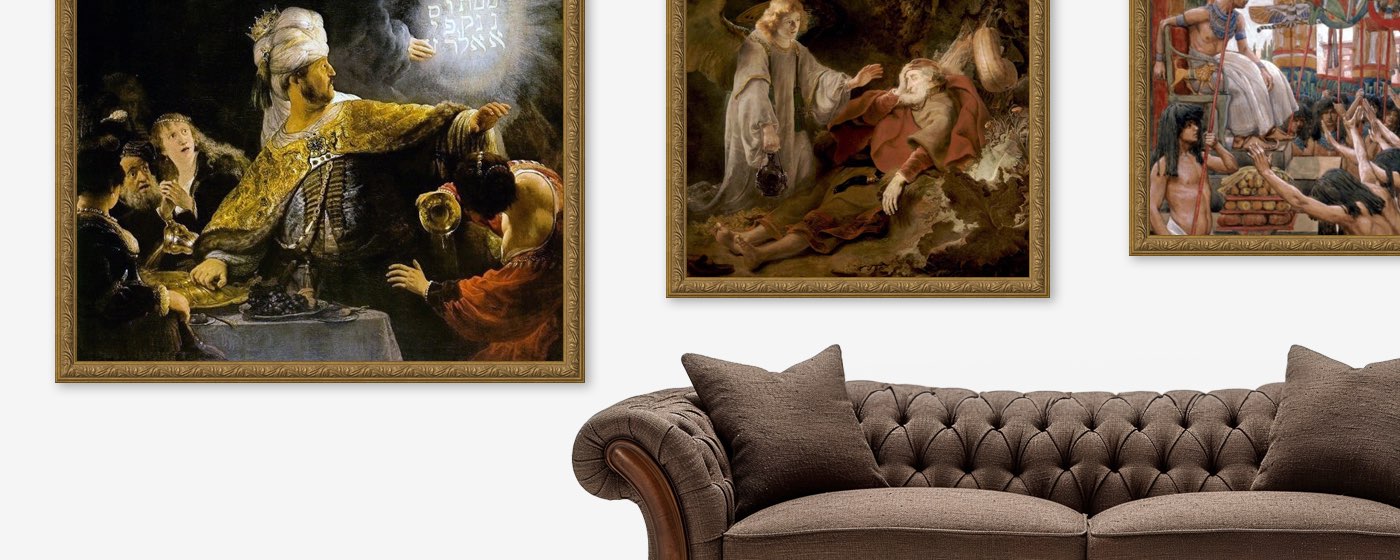
In the Baroque period, biblical painting continued to evolve, with artists like Caravaggio and Rembrandt infusing their works with dramatic lighting and intense emotional expression. This era emphasized the theatrical and dynamic aspects of biblical narratives, aiming to engage viewers on a deeply personal level. Caravaggio's use of chiaroscuro, or the contrast between light and dark, heightened the emotional impact of his religious scenes, making the spiritual drama more immediate and visceral.
Modern and contemporary biblical painting has expanded the genre by exploring new techniques and perspectives. Artists today interpret biblical themes through various styles, from abstract representations to conceptual works, reflecting contemporary concerns and sensibilities. This modern approach often incorporates social and cultural commentary, engaging with biblical stories in ways that resonate with today's audience while honoring the traditional roots of the genre.
Biblical painting remains a powerful and enduring testament to the spiritual and artistic heritage of Christianity. It continues to offer a window into the divine and the sacred, capturing the essence of biblical narratives with both reverence and creativity. Through its evolving styles and interpretations, biblical painting continues to inspire reflection, devotion, and a deeper understanding of the spiritual journey.
Copyright © 2026 BrushWiz. All Rights Reserved.