In ancient civilizations, religious art was integral to religious practices and beliefs. In ancient Egypt, for example, temple walls were adorned with vivid murals depicting deities, rituals, and funerary scenes. These artworks were not merely decorative; they played a crucial role in the spiritual and ritualistic life of the society, intended to honor gods and guide the deceased in the afterlife.
During the early Christian period, painting continued to serve religious purposes, particularly in the form of frescoes and mosaics. The Byzantine Empire, in particular, is renowned for its religious art, characterized by its use of gold backgrounds, intricate iconography, and highly stylized forms. Icons and mosaics from this era depicted Christ, the Virgin Mary, and saints, providing a visual representation of theological concepts and serving as objects of veneration.
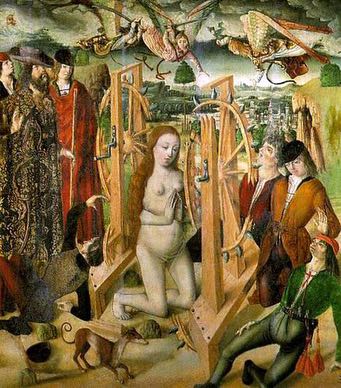
The Middle Ages saw a significant development in religious painting with the rise of Gothic art. This period was marked by the creation of illuminated manuscripts, which featured elaborate illustrations and decorative elements in religious texts. Churches and cathedrals were adorned with stained glass windows, frescoes, and altarpieces that depicted biblical scenes and saints, intended to educate and inspire the faithful. These artworks were often characterized by their intricate detail, vivid colors, and narrative clarity, reflecting the era's emphasis on religious instruction and devotion.
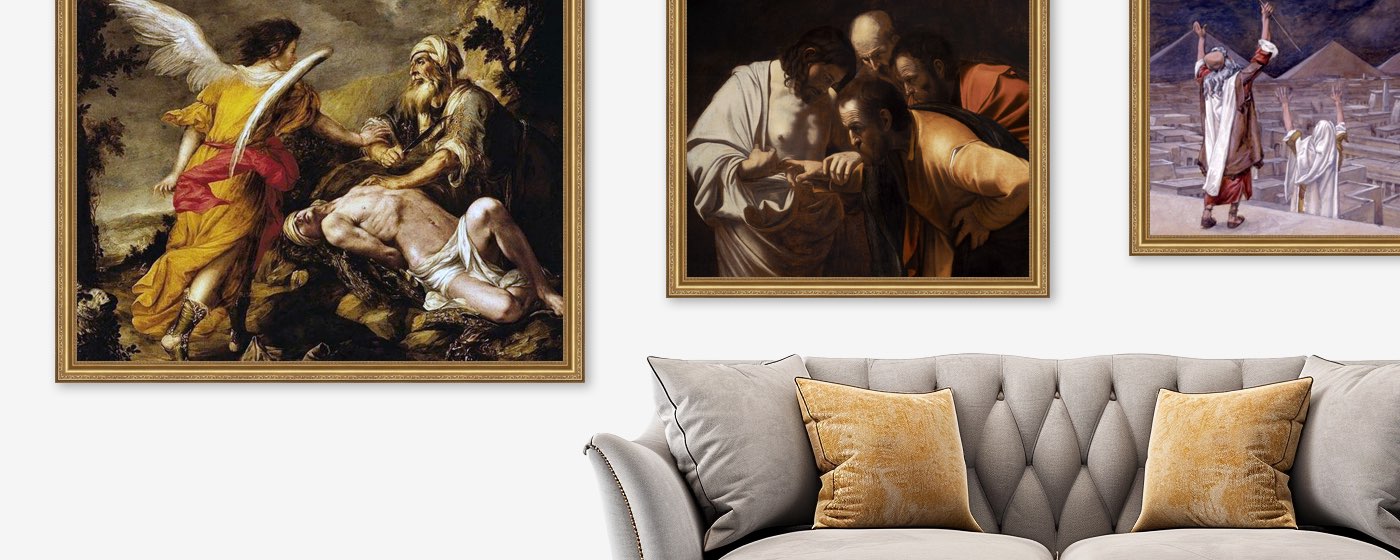
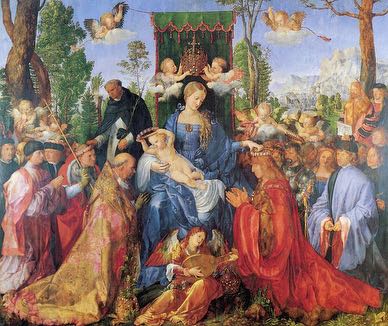
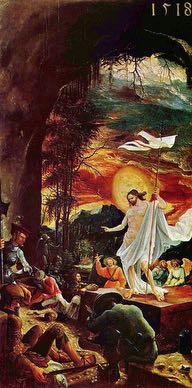
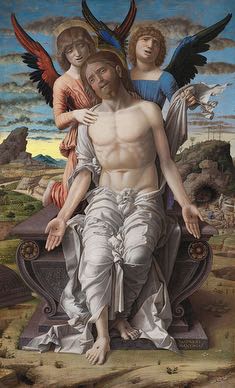
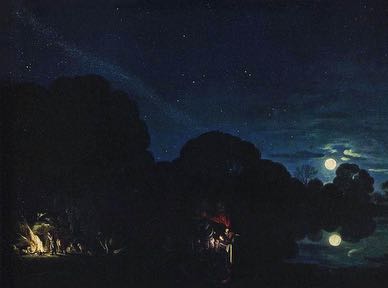
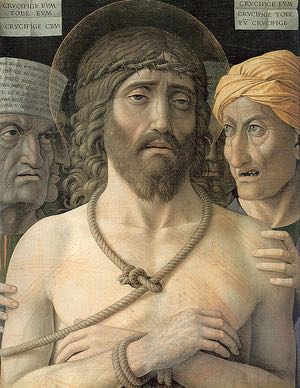
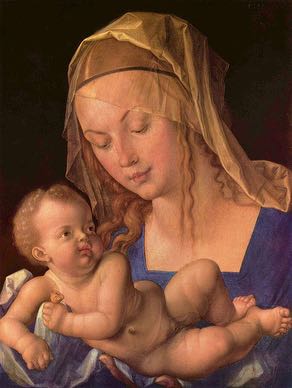
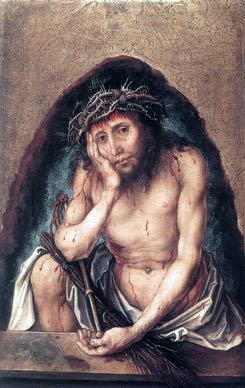
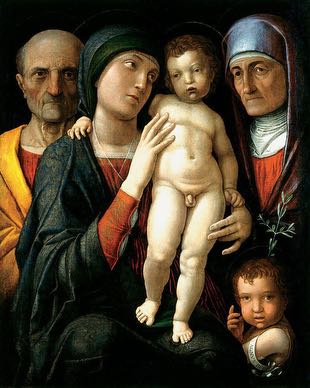
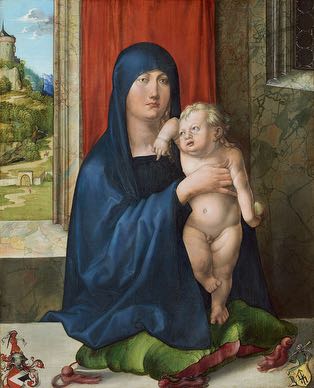
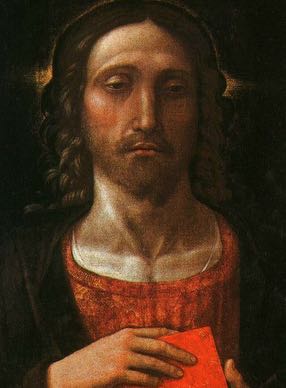
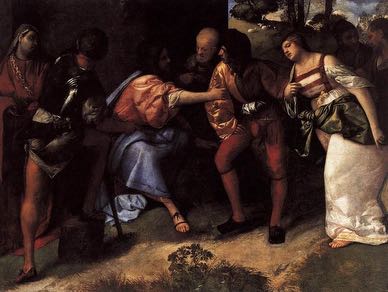
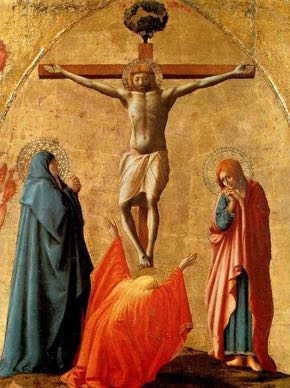
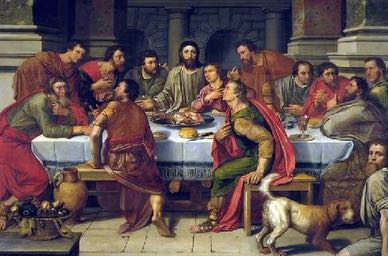
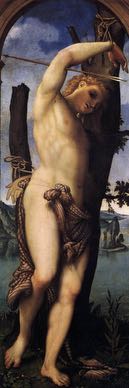
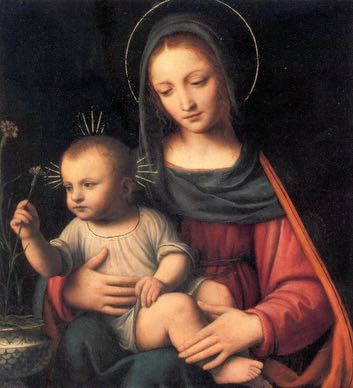
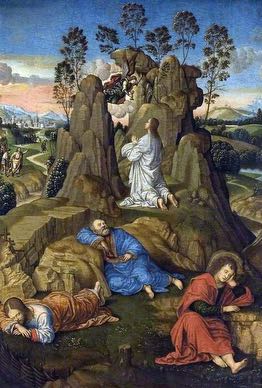
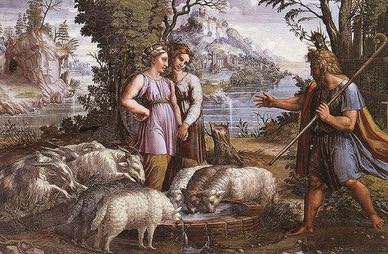
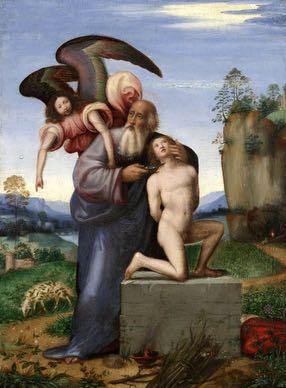
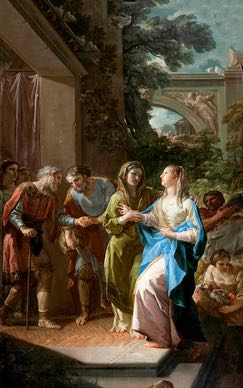
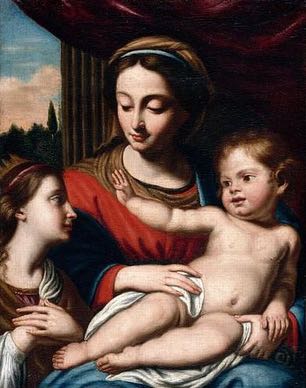
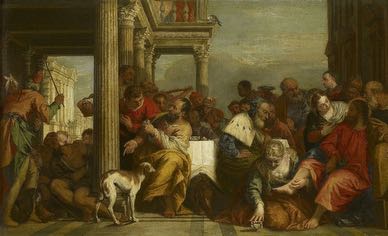
The Renaissance, spanning the 14th to the 17th centuries, brought a transformative shift in religious painting. Artists began to explore new techniques and perspectives, resulting in more naturalistic and dynamic representations of biblical stories. The use of perspective allowed for more realistic and immersive compositions, while the study of anatomy and human emotion brought a greater depth to the portrayal of religious figures. Renowned masterpieces from this period include works depicting the life of Christ, the Virgin Mary, and various saints, often integrating classical elements with Christian themes.
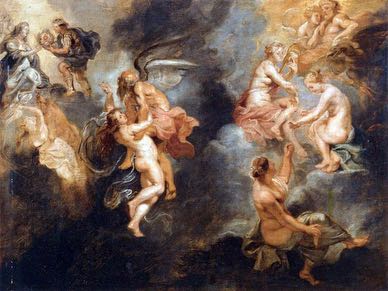
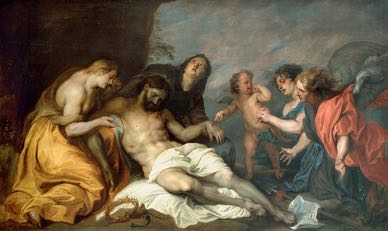
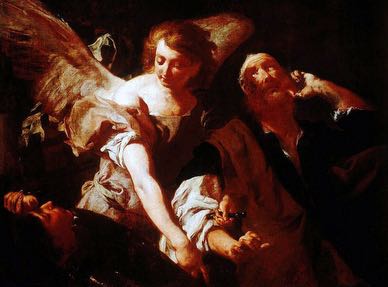
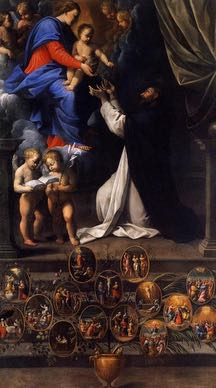
The Reformation and Counter-Reformation of the 16th century had a profound impact on religious painting. In Protestant regions, there was a move away from the use of religious imagery in churches, leading to a more restrained approach to religious art. Conversely, the Catholic Church, through the Counter-Reformation, embraced art as a means of reaffirming faith and conveying religious messages. This period saw the rise of Baroque art, characterized by dramatic use of light and shadow, emotional intensity, and a focus on conveying religious fervor and divine intervention.
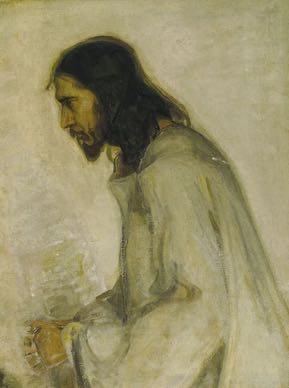
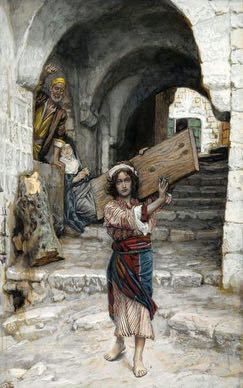
In the 19th and 20th centuries, religious painting continued to evolve, influenced by modern artistic movements and changing societal contexts. The Romantic period often depicted religious themes with a focus on emotional and spiritual experiences, while modern and contemporary artists explored abstract and symbolic representations of faith. Despite these changes, religious painting remained a vital part of artistic expression, reflecting ongoing explorations of spirituality and belief.
Today, religious painting encompasses a diverse range of styles and approaches, from traditional iconography to contemporary interpretations of spiritual themes. Artists continue to explore and reinterpret religious subjects, engaging with both historical traditions and modern perspectives. The enduring significance of religious painting lies in its ability to convey complex spiritual ideas, evoke profound emotions, and connect viewers with the divine.
Throughout its history, painting has played a crucial role in the religious and spiritual life of societies. It has served as a medium for devotion, instruction, and reflection, capturing the essence of faith and the sacred through a rich tapestry of artistic expression. The legacy of religious painting endures as a testament to its profound impact on culture, art, and human spirituality.
Copyright © 2026 BrushWiz. All Rights Reserved.