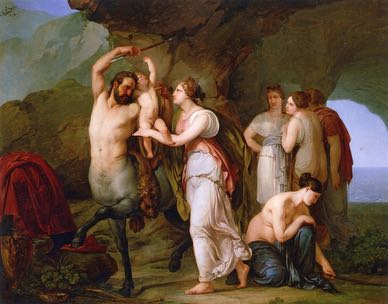
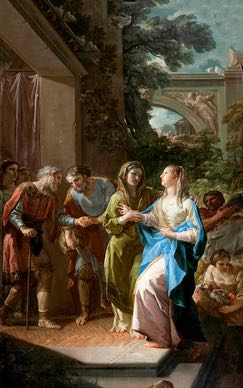
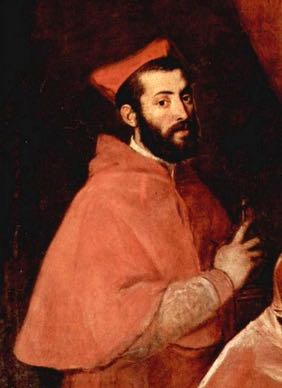
The origins of Italian painting can be traced back to the ancient civilizations of Rome, Etruria, and Magna Graecia. Frescoes, mosaics, and wall paintings adorned temples, villas, and public spaces, depicting scenes from mythology, history, and daily life. These early works laid the foundation for the development of painting as a distinct art form in Italy.
The Middle Ages witnessed the rise of Byzantine art in Italy, characterized by its formalized style, rich colors, and religious iconography. Icon painters created sacred images of Christ, the Virgin Mary, and the saints, often using gold leaf and intricate decorative motifs to evoke a sense of divine splendor.
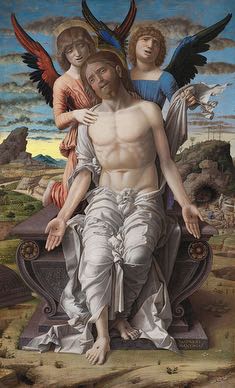
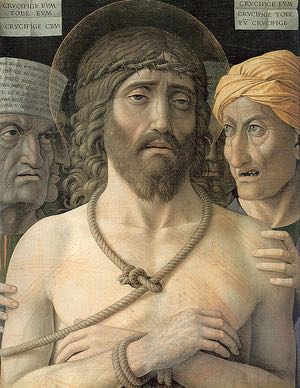
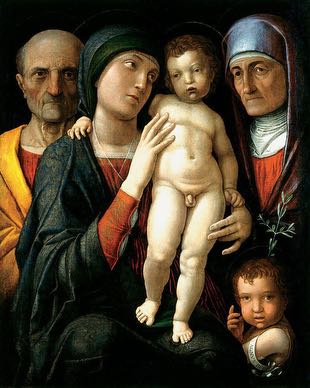
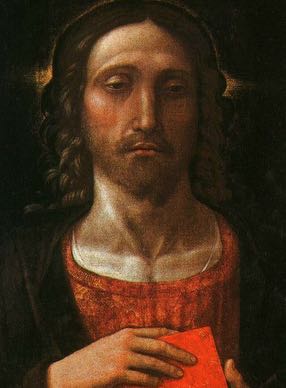
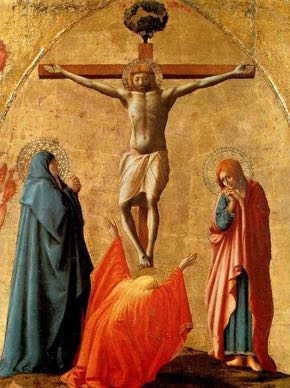
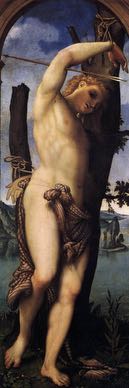
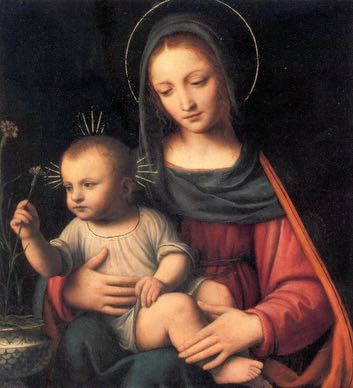
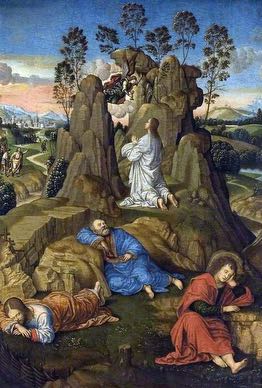
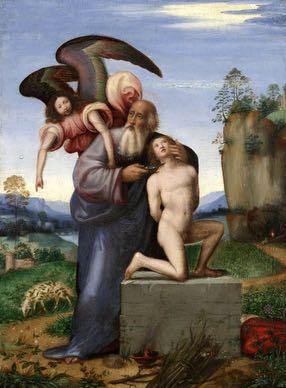
The Renaissance, a period of unparalleled artistic achievement, saw Italy emerge as the epicenter of artistic innovation and cultural renewal. Painters such as Giotto, Masaccio, and Fra Angelico pioneered new techniques and approaches to painting, breaking away from the stylized conventions of the Middle Ages and embracing naturalism, perspective, and humanism.
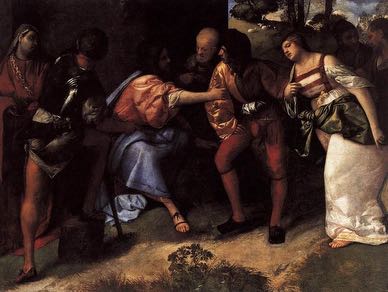
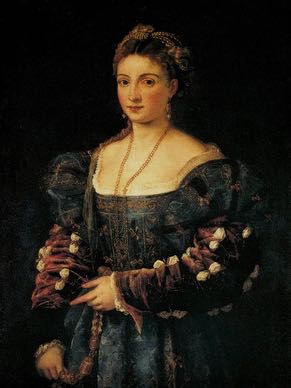
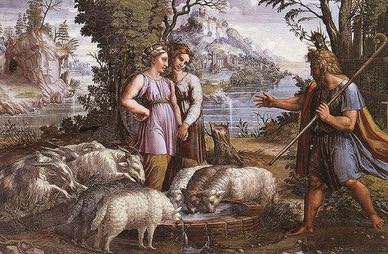
The High Renaissance, spanning the late 15th and early 16th centuries, witnessed the pinnacle of Italian painting with the works of Leonardo da Vinci, Michelangelo, and Raphael. These masters created timeless masterpieces such as the Mona Lisa, the Sistine Chapel ceiling, and the School of Athens, revolutionizing the art of painting and leaving an indelible mark on Western culture.
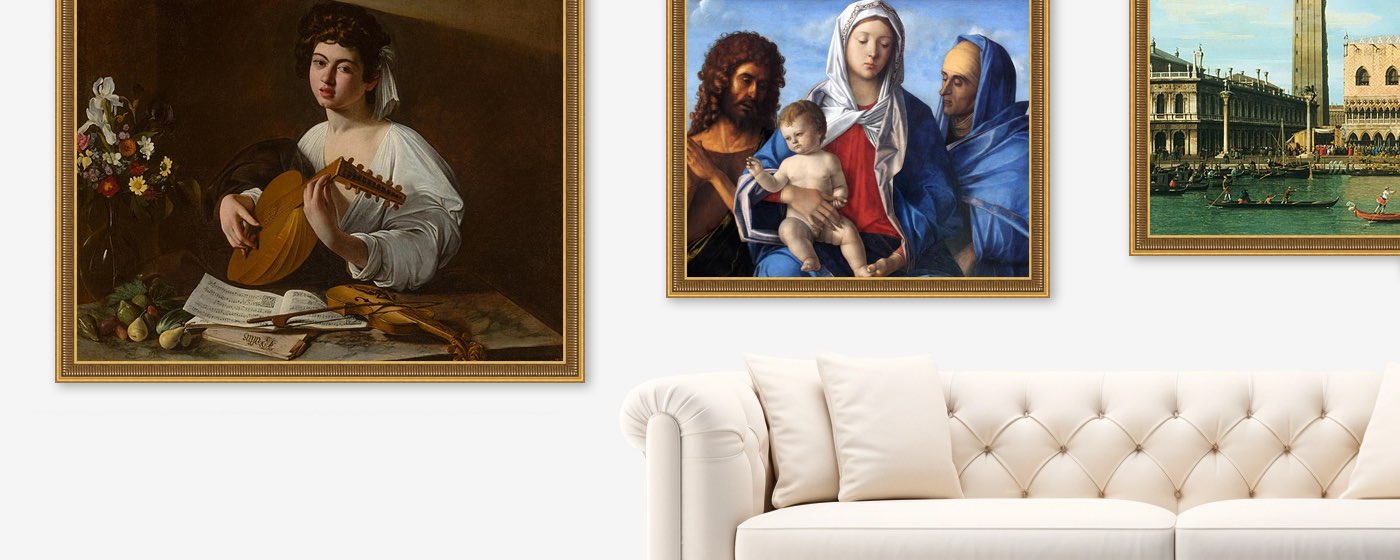
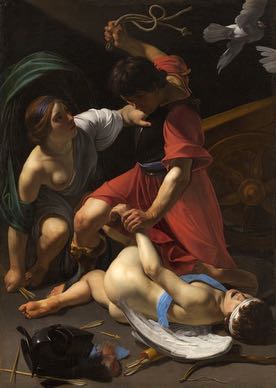
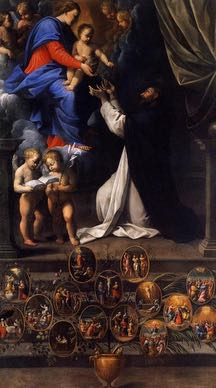
The Baroque period, which followed the Renaissance, brought a dramatic shift in artistic style, characterized by its dynamic compositions, theatrical lighting, and emotional intensity. Painters such as Caravaggio, Artemisia Gentileschi, and Gian Lorenzo Bernini created works that reflected the turbulence and grandeur of the Counter-Reformation era.
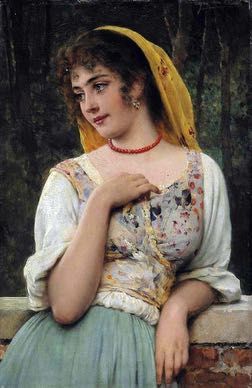
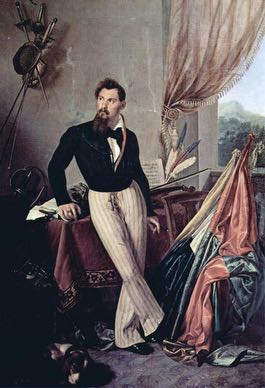
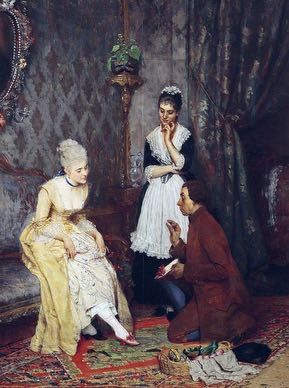
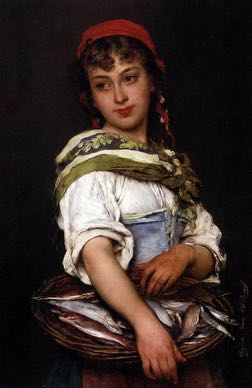
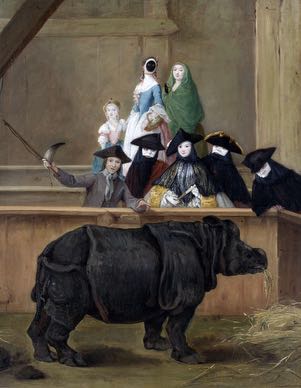
The 18th and 19th centuries saw Italy divided into numerous states and ruled by foreign powers, leading to a decline in artistic patronage and innovation. However, the Romantic movement, which swept across Europe in the 19th century, reignited interest in Italian art and culture, inspiring painters such as Francesco Hayez and Giovanni Boldini to explore themes of nationalism, emotion, and historical nostalgia.
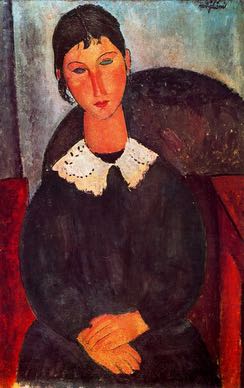
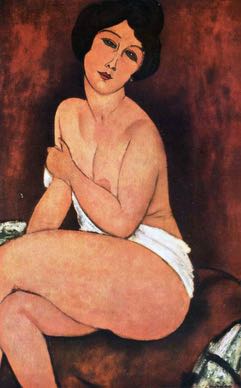
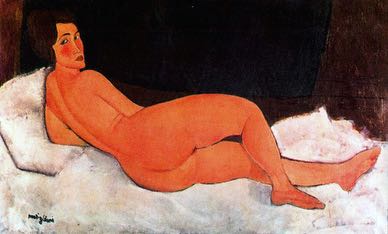
The 20th century witnessed the emergence of Italian modernism, with artists such as Giorgio de Chirico, Amedeo Modigliani, and Umberto Boccioni pushing the boundaries of artistic expression and embracing new forms of abstraction, surrealism, and futurism.
Today, Italian painting continues to thrive, with contemporary artists drawing inspiration from Italy's rich artistic heritage while exploring new themes, techniques, and modes of expression. From the streets of Rome to the galleries of Milan, Italian painting remains a vibrant and vital part of the country's cultural identity, captivating audiences around the world with its beauty, passion, and timeless allure.
Copyright © 2026 BrushWiz. All Rights Reserved.