

🔥 Limited-Time Sale. Offer Ends 11/13/2026. View Details
🔥 Limited-Time Sale. Ends 11/13/2026. View Details
🔥 Limited-Time Sale. View Details
Artists
Subjects
Movements
Collections
Decor
Portraits
Commissions
Framing
Reviews
Gift Cards
On Sale
16th-Century Art Reproductions
Shop famous 16th-century painting reproductions, each hand-painted in oil on canvas by a professional artist.
Shop Art
Showing 1-40 of 2170 results
Sort By
Most Popular
- Most Popular
- New Arrivals
- Best Sellers
- Alphabetical A-Z
- Alphabetical Z-A
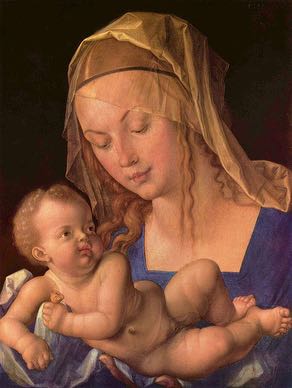
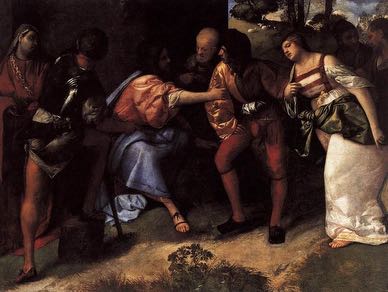
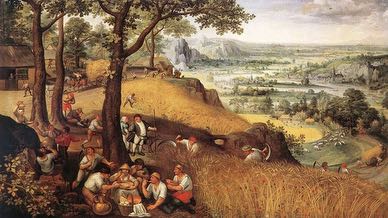


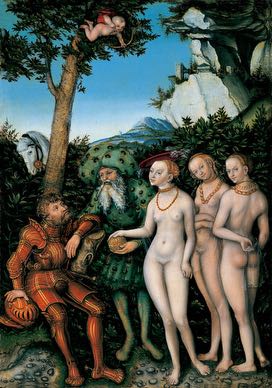
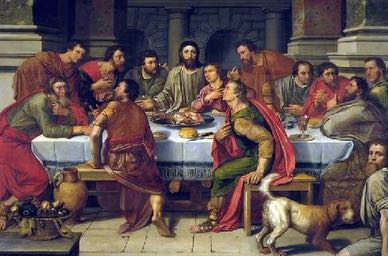

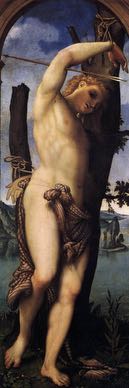
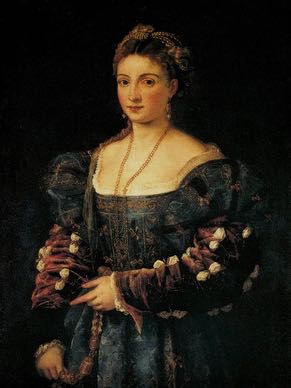


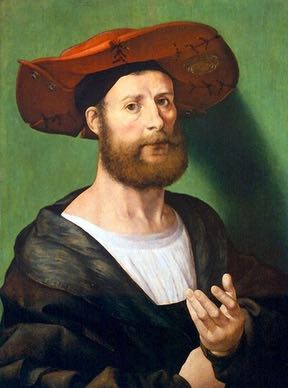


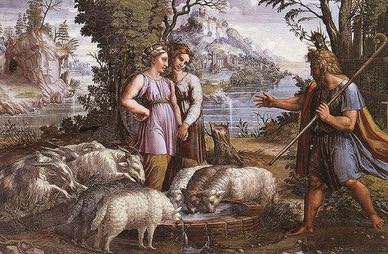
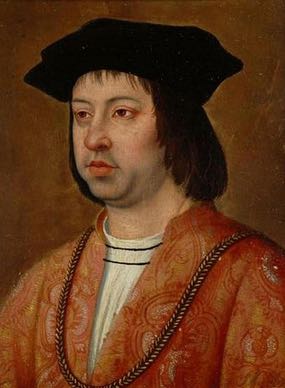
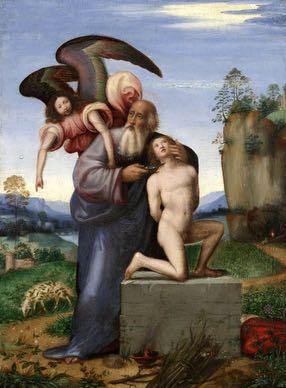
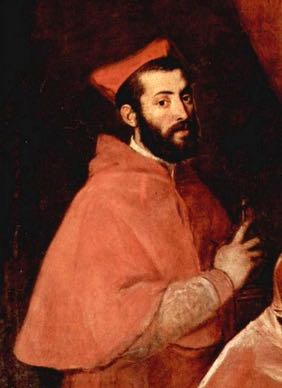
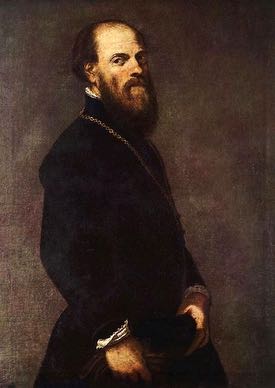
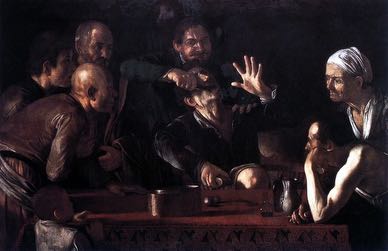
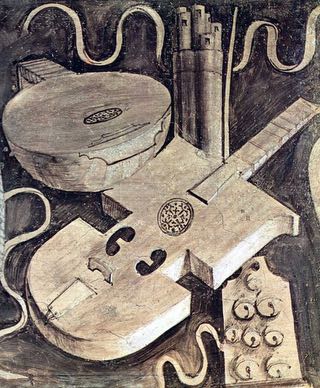
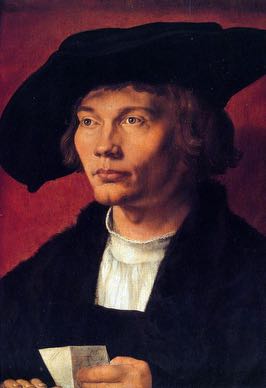
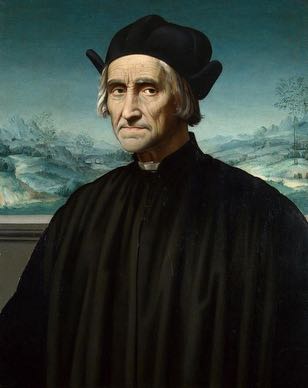
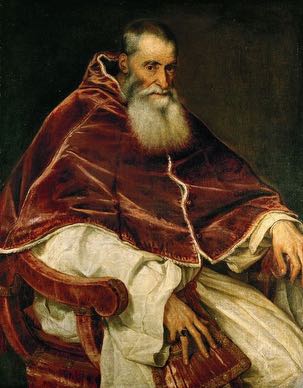
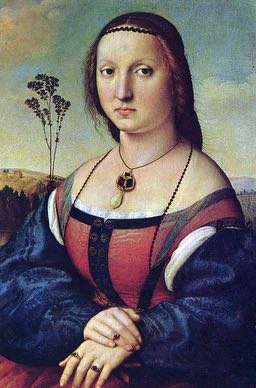
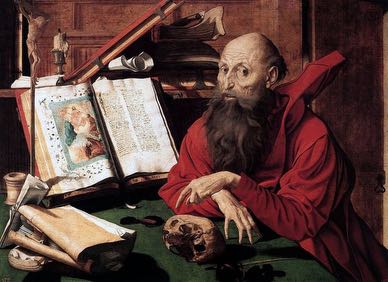

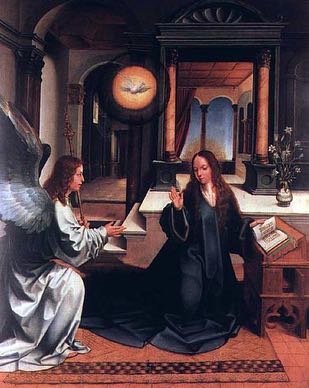

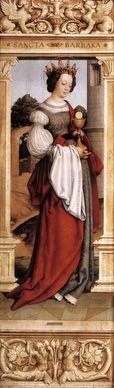
Can’t Find the Painting You Want?
Looking for a specific painting that isn’t in our catalog? Just let us know. We can recreate almost any artwork in the size and style you’re looking for.
Request a PaintingHand-Painted 16th-Century Oil Paintings
Bring the harmony, color, and remarkable variety of sixteenth-century art into your space with an oil painting created entirely by hand. Our collection includes Mona Lisa by Leonardo da Vinci, Sistine Madonna by Raphael, and Venus of Urbino by Titian, along with other iconic masterpieces of the era. Browse religious compositions, court portraits, mythological scenes, landscapes, and images of everyday life from across the sixteenth century. Every reproduction is painted in oil on canvas, preserving the color, texture, atmosphere, and visual presence that a print cannot provide.
Recreating the Styles of 16th-Century Painting
Sixteenth-century painters developed distinctly different artistic approaches. Albrecht Dürer combined precise observation with Italian ideas of proportion, Pieter Bruegel the Elder organized detailed landscapes and scenes of everyday life, and El Greco used elongated figures, expressive color, and dramatic light. We match each reproduction with an artist whose skills suit the original style. The artist studies its composition, palette, lighting, figures, setting, surface texture, and brushwork before recreating the work by hand in oil on canvas. Once complete, the painting is inspected by our quality-control team and photographed for your approval.
Custom Sizes and Frames for 16th-Century Art
Your sixteenth-century painting can be ordered in practically any size, from popular standard dimensions to a custom canvas size selected directly on the product page. This flexibility lets you adapt a vertical court portrait, wide landscape, intimate devotional image, or large narrative composition to your wall. After choosing the size, you can add a high-quality frame in a classic or modern design. Our framing collection includes options that complement the period’s colors and visual character. Professional canvas stretching is also available, allowing the artwork to arrive prepared for display without arranging a separate visit to a frame shop.
Order a 16th-Century Art Reproduction with Confidence
Buying a hand-painted sixteenth-century reproduction online should feel clear and comfortable. Once your painting is complete, we send high-resolution photographs so you can inspect the composition, colors, figures, details, and overall finish before shipping. You may request adjustments if needed, and the artwork is dispatched only after you approve the finished result. Your order also includes free express worldwide shipping and is covered by our 90-day return policy. Together, these assurances help you choose a sixteenth-century oil painting with greater confidence and know what to expect.
The Art and History of the 16th Century
Sixteenth-century painting developed during an era of humanist scholarship, powerful courts, papal patronage, expanding trade, religious division, and wider circulation of printed images. From 1501 to 1600, the balanced forms of the Renaissance gave way to the complexity of Mannerism and the dramatic approaches that helped shape early Baroque painting. Artists in Italy, Germany, the Netherlands, England, and Spain developed distinctive responses to changing patrons, beliefs, materials, and artistic traditions.
Read More
What Defined Painting in the 16th Century?
Painting during the sixteenth century cannot be described through one style or region. The period included the balanced compositions of the High Renaissance, the color-centered traditions of Venice, the detailed observation of Northern European painting, the deliberate complexity of Mannerism, and the intense religious imagery of the century’s final decades.
Artists studied anatomy, perspective, architecture, classical sculpture, landscape, costume, and the appearance of natural materials. The human figure remained central, but painters approached it differently. Some pursued harmony and convincing proportion, while others used elongated bodies, unusual poses, compressed spaces, or dramatic movement to create more difficult and emotionally charged compositions.
Religious institutions remained major patrons, but rulers, merchants, urban governments, confraternities, scholars, and private collectors also commissioned art. Their demands supported portraits, mythological subjects, landscapes, domestic scenes, court imagery, and works designed for private devotion as well as churches and public buildings.
How Did the High Renaissance Transform Italian Painting?
The High Renaissance is closely associated with the early decades of the century and with the achievements of Leonardo da Vinci, Michelangelo, and Raphael. Their work joined careful observation with idealized form, controlled space, expressive gesture, and ambitious intellectual programs.
Leonardo used gradual transitions of light and shadow to give figures a convincing physical and psychological presence. Michelangelo brought the monumentality of sculpture into painting, particularly through the powerful bodies and complex poses of the Sistine Chapel ceiling. Raphael became known for clear storytelling, graceful figures, balanced groups, and compositions that appeared natural despite their careful organization.
Why Was Rome an Important Center of Patronage?
Rome became one of the century’s most influential artistic centers through major papal commissions. Pope Julius II and Pope Leo X used painting, sculpture, and architecture to strengthen the cultural and political position of the papacy. Their projects brought prominent artists to the city and transformed the Vatican into a center of large-scale artistic production.
Michelangelo painted the Sistine Chapel ceiling between 1508 and 1512, filling it with biblical narratives, prophets, sibyls, and monumental figures. Raphael and his workshop decorated rooms in the Vatican Palace with images connecting theology, philosophy, poetry, law, and papal authority. These projects required artists to coordinate architecture, painted space, human figures, and complex programs across entire rooms.
Rome also gave painters direct access to ancient sculpture, architecture, and ruins. The study of classical art encouraged new approaches to anatomy, movement, drapery, proportion, and historical narrative. These ideas spread through drawings, prints, written accounts, traveling artists, and the work of assistants trained in leading Roman workshops.
How Did Venetian Painting Develop Its Distinctive Character?
Venetian painters became especially celebrated for color, atmosphere, changing light, and the expressive possibilities of oil paint. While central Italian writers often emphasized drawing and carefully defined form, Venetian artists were admired for building figures and environments through layered color and tonal relationships.
Titian created portraits, religious works, mythological scenes, and paintings for an international group of patrons. His handling changed across his long career, moving from luminous, carefully organized surfaces toward looser and more visible brushwork. Tintoretto developed dramatic spaces, strong contrasts of light, and rapidly moving figures, while Paolo Veronese became known for brilliant color, grand architecture, rich costume, and large ceremonial compositions.
Venice’s churches, confraternities, government buildings, and wealthy households offered painters a wide range of commissions. The city’s international trade also brought pigments, textiles, luxury goods, and visual influences into an artistic culture whose impact extended far beyond the sixteenth century.
How Did Mannerism Depart from High Renaissance Balance?
Mannerism developed in Italy during the decades after the High Renaissance and spread into other parts of Europe. Instead of maintaining stable spaces and calmly balanced figures, many Mannerist painters favored elongated bodies, unusual proportions, crowded arrangements, ambiguous settings, refined gestures, and unexpected color relationships.
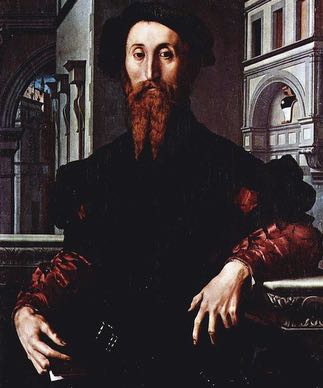
Pontormo created emotionally unsettled groups through pale color, floating figures, and uncertain space. Parmigianino used elegant distortion and extended proportions, while Bronzino developed polished court portraits marked by controlled expressions, elaborate fabrics, and carefully presented status.
These artists did not simply abandon Renaissance traditions. They demonstrated their command of them by making compositions more artificial, intellectually demanding, and technically elaborate. Mannerism therefore formed both a continuation of Renaissance achievement and a deliberate challenge to its ideals of clarity and natural balance.
How Did Prints Connect Artists Across Europe?
The growth of printed books, woodcuts, and engravings allowed images to circulate more widely than a single painting could. Artists could study compositions, poses, ornament, architectural forms, and classical subjects developed in distant cities without seeing the original works. Prints also enabled patrons and broader audiences to encounter religious, political, scientific, and mythological imagery in reproducible form.
Albrecht Dürer played a particularly important role in this exchange. His engravings and woodcuts circulated throughout Europe, while his travels to Italy helped him connect Northern attention to detail with Italian ideas about proportion and perspective. Prints after Raphael and other Italian painters likewise carried their designs north of the Alps, where artists adapted them to local techniques and traditions.
Printed imagery also served religious controversy and political communication. Pictures could praise rulers, criticize institutions, explain doctrine, commemorate events, or make complex arguments understandable to audiences with different levels of literacy.
How Did the Reformation Affect Religious Art?
The Protestant Reformation began in the early sixteenth century and challenged the religious unity of Western Europe. Debates over worship, church authority, saints, relics, and sacred images changed the production and use of religious art. In some Protestant regions, traditional commissions declined or images were removed from churches. Elsewhere, paintings continued to serve devotional, educational, commemorative, or political purposes.
Artists and workshops adapted to different circumstances. Portraits, landscapes, mythological subjects, scenes of everyday life, and prints could provide alternative markets where large ecclesiastical commissions became less dependable. Lucas Cranach the Elder produced portraits and images connected with Lutheran reform, while other Northern painters continued working for Catholic patrons or served courts with changing religious allegiances.
The Catholic response also affected art. The Council of Trent, which met between 1545 and 1563, addressed the responsibilities of religious images. Late-century Catholic patrons favored paintings that communicated sacred narratives clearly, encouraged devotion, and carried emotional force, although artists continued to interpret these goals through varied regional styles.
What Distinguished Northern European Painting?
Northern European painters maintained strong traditions of detailed surfaces, oil technique, portraiture, devotional imagery, and close observation of objects and landscapes. Italian art influenced many Northern artists, but painters in Germany and the Low Countries did not simply reproduce Italian models. They combined imported ideas with established local practices and responded to different religious, social, and commercial conditions.
Hans Holbein the Younger created portraits whose restrained arrangements, carefully described clothing, and meaningful objects communicated identity and status. Lucas Cranach the Elder worked for the Saxon court and produced portraits, religious images, mythological subjects, and designs connected with the Reformation.
Pieter Bruegel the Elder developed broad landscapes, crowded narratives, and scenes connected with labor, seasons, festivals, and human behavior. His paintings combine close observation with complex organization, allowing individual details to contribute to a larger view of society and nature.
Why Did Portraiture Become Increasingly Important?
Portraiture served rulers, courtiers, merchants, scholars, religious leaders, and prosperous families. Clothing, jewelry, books, architecture, inscriptions, furniture, and carefully chosen objects could communicate rank, education, profession, wealth, or religious identity. Some portraits presented public authority, while others recorded family relationships or a more private sense of character.
Holbein’s The Ambassadors combines two sitters with instruments, books, textiles, and an elongated skull that becomes recognizable from an oblique viewpoint. Bronzino’s portraits transformed courtly control into a polished visual language of reserved expressions, precise silhouettes, and elaborately rendered fabrics. Titian used color and more atmospheric handling to give rulers and aristocrats both physical presence and psychological weight.
Portraiture also provided professional opportunities for women. Sofonisba Anguissola gained recognition through self-portraits and informal family images before joining the Spanish court, while Lavinia Fontana developed a successful career in Bologna through portraits and religious commissions.
How Did Landscape and Everyday Life Gain Greater Attention?
Landscape increasingly became more than a distant setting for religious or mythological figures. Northern painters explored mountains, rivers, cultivated fields, forests, villages, weather, and seasonal change. Joachim Patinir helped establish broad panoramic landscapes in which small narrative figures occupy a much larger natural world.
Bruegel made landscape, labor, festivals, and seasonal activity central to ambitious compositions. In works such as The Harvesters and Hunters in the Snow, human activity is integrated with weather, terrain, distant settlements, and the annual cycle. These paintings offer both carefully arranged visual experiences and records of how communities worked, traveled, celebrated, and responded to nature.
Objects and food also gained greater independence within paintings. Although still life would become a more established specialty during the seventeenth century, sixteenth-century artists increasingly used flowers, vessels, books, instruments, food, and household possessions as meaningful visual subjects.
Which Women Painters Built Recognized Careers?
Women faced restrictions in artistic training, workshop membership, travel, and the study of the nude figure. Even so, several sixteenth-century women established significant careers through portraiture, court connections, family workshops, religious painting, and private patronage.
Sofonisba Anguissola developed an unusually varied approach to portraiture. Her self-portraits presented her as an educated and disciplined professional, while paintings of her family used informal gestures and interaction to create a sense of lived experience. She later served at the Spanish court and influenced the development of court portraiture.
Lavinia Fontana trained in her father’s workshop in Bologna and built a professional practice while raising a family. She painted portraits, devotional works, altarpieces, and large religious compositions. Her career demonstrates that women could receive important commissions, although the institutional and social obstacles they faced remained substantially different from those confronting male artists.
How Did Painting Develop in Late 16th-Century Spain?
Spanish painting was shaped by royal patronage, religious institutions, international connections, and the Catholic reforms of the period. Philip II commissioned artists and assembled important collections, while monasteries, churches, and private patrons supported devotional images, portraits, and large altarpieces.
El Greco, born in Crete and trained within the tradition of icon painting, worked in Venice and Rome before settling in Toledo. His art combined different experiences without belonging completely to any one regional school. Elongated figures, intense highlights, compressed spaces, and expressive color gave his religious paintings and portraits an immediately recognizable character.
His work demonstrates the international movement of artists during the period and the ability of a painter to transform Byzantine, Venetian, Roman, and Spanish influences into a highly personal visual language.
Which Paintings Represent the Range of 16th-Century Art?
These works demonstrate the century’s range across portraiture, religious painting, mythology, landscape, court culture, family life, and large narrative composition:
- Mona Lisa by Leonardo da Vinci combines a restrained pose, atmospheric landscape, and gradual transitions of light that give the sitter a powerful presence.
- The Creation of Adam by Michelangelo recreates one of the Sistine Chapel ceiling’s most recognizable fresco scenes as an oil-on-canvas reproduction.
- Sistine Madonna by Raphael balances monumentality, graceful movement, and direct engagement between its sacred figures and the viewer.
- The Ambassadors by Hans Holbein the Younger joins portraiture with carefully described instruments, books, textiles, and a famously distorted skull.
- Eleanor of Toledo with Her Son by Bronzino presents Florentine court identity through a controlled pose, intricate fabric, and polished surface.
- The Chess Game by Sofonisba Anguissola uses expressions and interaction to transform a family portrait into an animated scene.
- The Wedding at Cana by Paolo Veronese places a biblical event within a vast architectural setting filled with color, costume, music, and ceremony.
- Hunters in the Snow by Pieter Bruegel the Elder integrates returning hunters, village life, distant mountains, and winter weather within a broad seasonal landscape.
How Did 16th-Century Painting Prepare the Way for Baroque Art?
The transition into the seventeenth century did not involve a sudden rejection of Renaissance or Mannerist art. Venetian color, Tintoretto’s dramatic movement, Mannerist complexity, Northern naturalism, and late-century religious painting all provided later artists with methods they could adapt.
Annibale Carracci studied central Italian design, Venetian color, and direct observation while developing a reform of painting that favored greater clarity and naturalism. Caravaggio brought sacred narratives into immediate, dramatically illuminated spaces using closely observed models. Their different approaches contributed to the emergence of Baroque painting.
The seventeenth century inherited not one Renaissance formula but a broad collection of possibilities involving composition, color, naturalism, idealization, movement, theatrical lighting, and emotional communication.
Why Do 16th-Century Paintings Remain Popular?
Sixteenth-century painting offers extraordinary visual range. A viewer can choose a balanced Renaissance Madonna, an imposing court portrait, a luminous Venetian mythological scene, a detailed Northern landscape, an elegant Mannerist composition, or an emotionally intense religious work. Each reflects a different artistic response to a century marked by learning, power, faith, trade, and cultural exchange.
This range also makes the period suitable for different interiors. Formal portraits and religious compositions can create strong focal points, while landscapes, family scenes, and Venetian paintings can introduce atmosphere, color, and movement. A hand-painted oil reproduction preserves the visible surface, tonal relationships, and individual handling that give these historical images much of their presence.
Copyright © 2026 BrushWiz. All Rights Reserved.
About Our 16th-Century Paintings
Are your 16th-century reproductions painted by hand?
Yes. Every reproduction is individually painted by hand in oil on canvas by a professional artist. We do not use prints, digital transfers, or mechanical reproduction methods.
How do your artists recreate different 16th-century styles?
Our artists study the original painting’s composition, color palette, lighting, figures, texture, and brushwork. Because Renaissance, Venetian, Northern European, Mannerist, and late-sixteenth-century works require different approaches, the painting method is adapted to the individual artwork.
Which 16th-century painting will suit my space?
The best choice depends on the atmosphere you want to create. Renaissance religious paintings and formal portraits can provide a strong focal point, while Venetian scenes and Northern landscapes may introduce more color, movement, or environmental detail. Consider the painting’s orientation, dominant colors, level of detail, and available wall space. Our team can also help you compare suitable works, sizes, and framing options.
What artists are represented in the collection?
The collection includes works by Leonardo da Vinci, Michelangelo, Raphael, Titian, Albrecht Dürer, Hans Holbein the Younger, Pieter Bruegel the Elder, Tintoretto, Paolo Veronese, Bronzino, Sofonisba Anguissola, El Greco, and many others associated with the period.
What subjects appear in 16th-century paintings?
Sixteenth-century artists painted biblical narratives, saints, mythology, portraits, court life, history, landscapes, family scenes, allegories, and moments of everyday activity. The collection ranges from balanced Renaissance compositions and richly colored Venetian works to detailed Northern landscapes and expressive Mannerist paintings.
Can I request a 16th-century painting that is not listed?
Yes. Send us the painting’s title or a reference image. Our team will review your request and confirm whether it can be reproduced, together with the available sizes, estimated production time, and price.
How closely will my painting resemble the original?
Our artists work to capture the composition, colors, brushwork, texture, lighting, figures, and visual character of the original sixteenth-century painting as closely as possible. Because every reproduction is painted by hand, small variations are natural and make each canvas unique.
Are custom sizes and frames available?
Yes. Most sixteenth-century paintings can be ordered in standard or custom canvas dimensions. High-quality frames in classic and modern designs are available, together with professional canvas stretching. Compatible options are displayed on the product page.
Will I receive photographs before the painting is shipped?
Yes. We send high-resolution photographs of the completed painting for your approval. You may request adjustments if needed, and the artwork will not be dispatched until the review process is complete.
Do 16th-century reproductions include worldwide shipping and returns?
Yes. Sixteenth-century reproductions qualify for free express worldwide shipping. After dispatch, delivery generally takes five to eight business days, depending on the destination. Orders are also covered by our 90-day return policy, subject to the current terms and eligibility requirements.
Why BrushWiz?
100% Hand Painted
Every piece is entirely handmade
Museum Quality
Faithfully recreated by expert artists
Custom Framing
Choose from a wide range of frames
Free Shipping
Enjoy free shipping on all orders
Cash Back Rewards
Earn cash back with every purchase