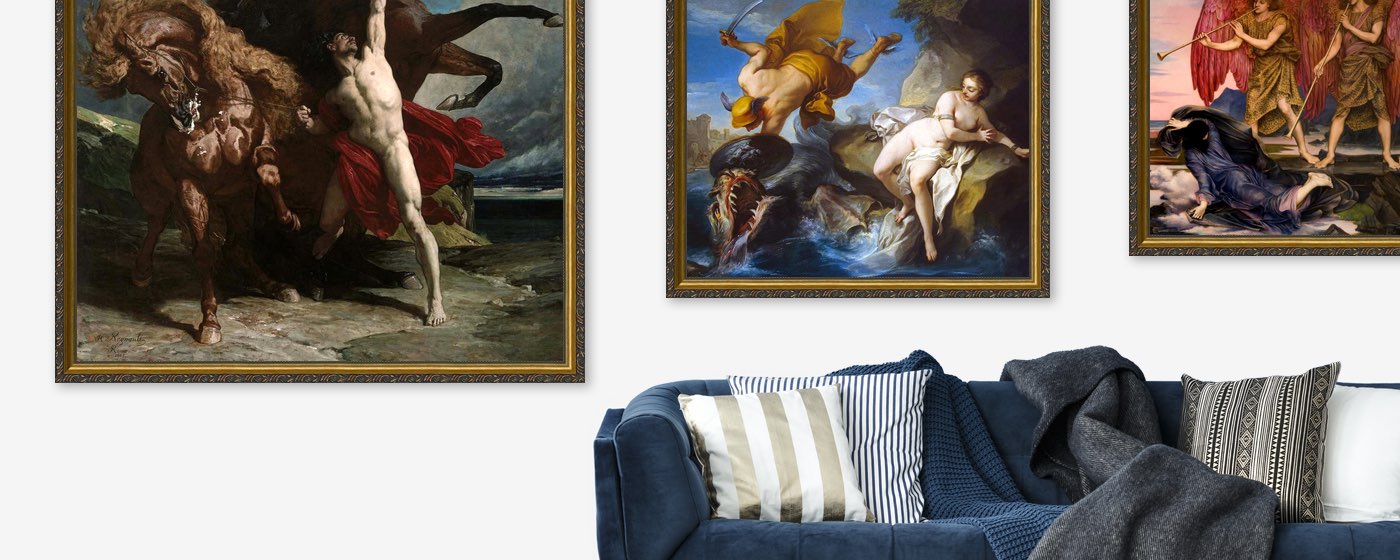
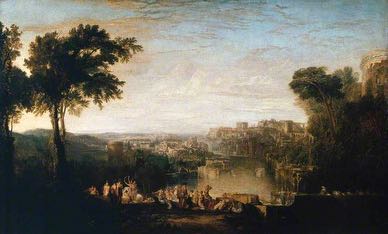
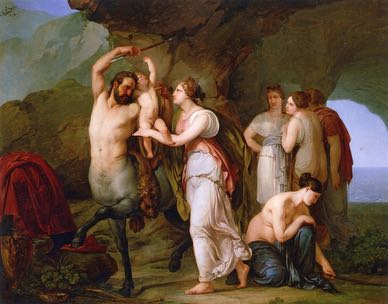
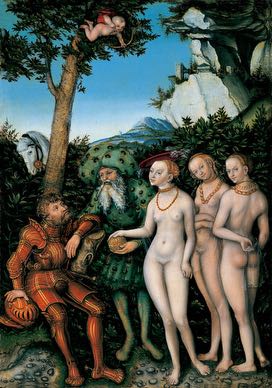
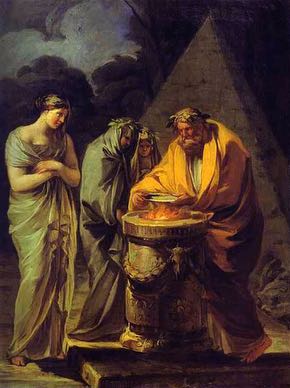
The tradition of depicting folklore and mythology in art dates back to ancient civilizations, where myths and legends were integral to cultural and religious life. In ancient Egyptian art, gods and goddesses, as well as mythological scenes, were depicted in tombs and temples, reflecting the spiritual and cosmological beliefs of the time. Similarly, Greek and Roman art celebrated mythological figures and stories, often portraying gods, heroes, and mythical creatures in scenes that illustrated their deeds and adventures.
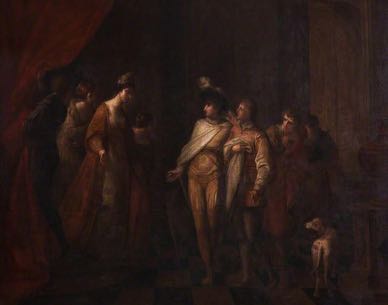
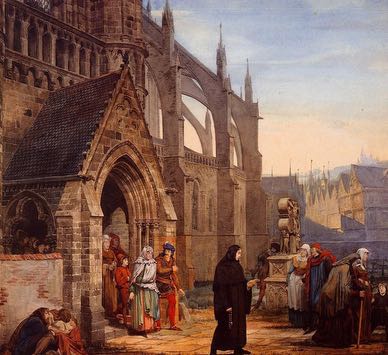
During the Middle Ages, art continued to explore folklore and mythology, often blending these themes with religious narratives. Illuminated manuscripts, frescoes, and sculptures depicted legendary figures and allegorical tales, reflecting the intertwining of mythological and spiritual themes. This period saw a continuation of the rich tradition of storytelling, with art serving as a means to convey moral and spiritual lessons through mythological and folkloric motifs.
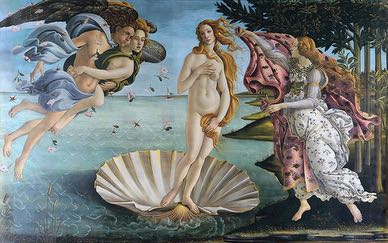
The Renaissance marked a renewed interest in classical mythology, with artists such as Sandro Botticelli and Raphael drawing inspiration from ancient myths and legends. Botticelli’s works, for example, often incorporated mythological themes, reflecting a revival of classical learning and the exploration of humanistic ideals. Raphael’s compositions also drew on mythological narratives, blending them with Renaissance ideals of beauty and harmony.
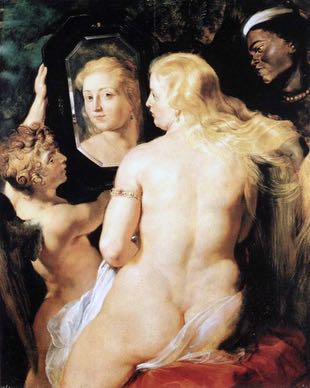
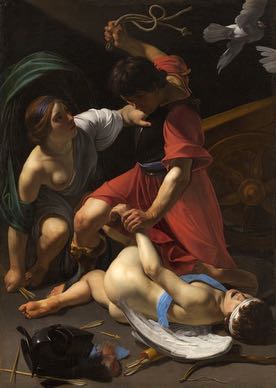
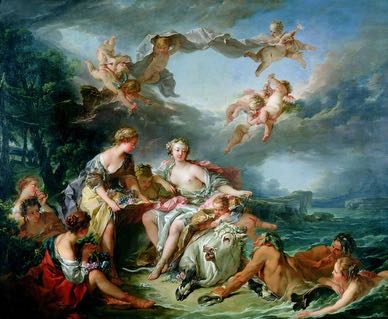
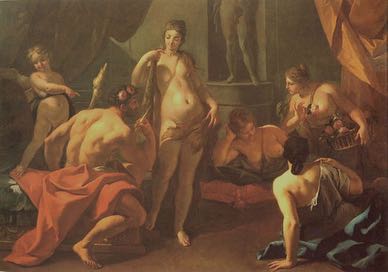
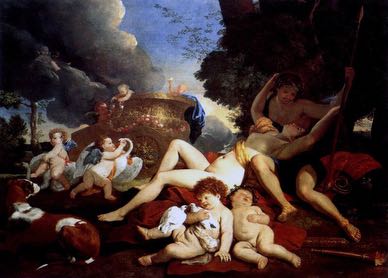
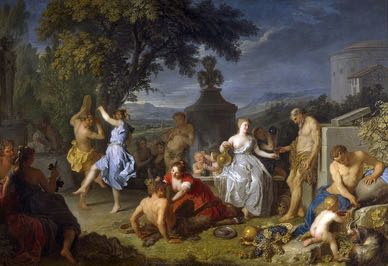
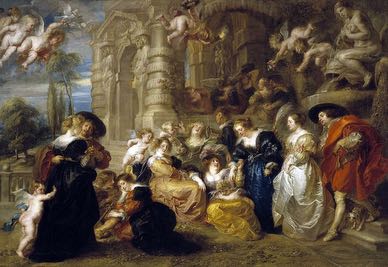
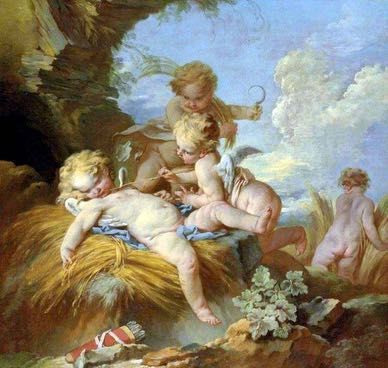
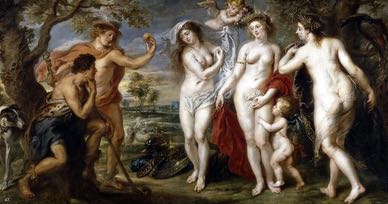
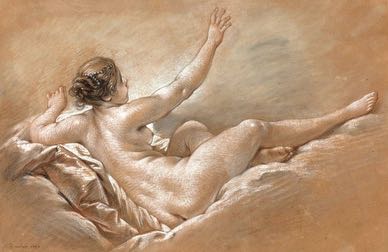
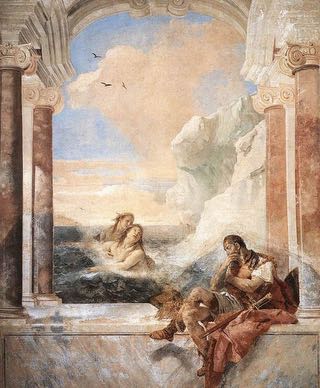
In the 17th and 18th centuries, artists continued to explore folklore and mythology, with the Baroque and Rococo periods offering dramatic and imaginative interpretations. Artists like Peter Paul Rubens and Francois Boucher created dynamic and elaborate compositions that brought mythological tales to life with vivid colors and theatricality. Rubens’s work, with its energetic and sensual portrayals, and Boucher’s playful and ornate depictions reflect the fascination with mythological narratives during these periods.
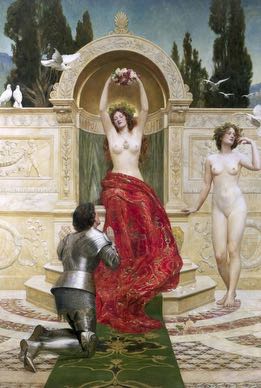
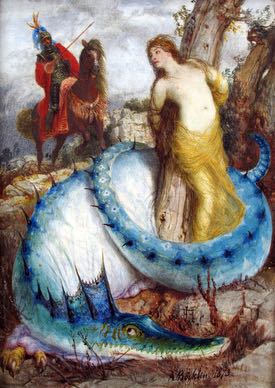
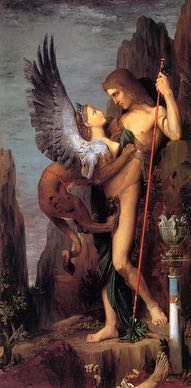
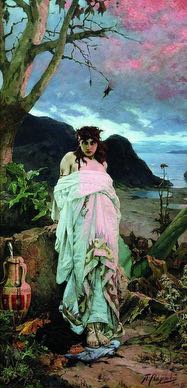
The 19th century saw a renewed interest in folklore and mythology with the Romantic movement, as artists like Gustave Moreau and Eugene Delacroix explored themes of fantasy and the supernatural. The Romantics were drawn to the emotional and symbolic aspects of myths, using them to express the inner workings of the human psyche and the mysteries of the natural world.
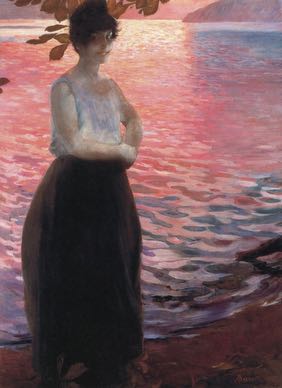
In the 20th and 21st centuries, contemporary artists continue to engage with folklore and mythology, reinterpreting traditional narratives through modern lenses. From surrealism to postmodernism, artists explore mythological themes with innovative approaches, addressing contemporary issues and personal experiences. This ongoing engagement with folklore and mythology reflects the genre’s ability to adapt and resonate with evolving cultural and artistic contexts.
Folklore and mythology in art offer a rich and diverse exploration of human imagination and belief. Through various artistic expressions, this genre captures the timeless allure of mythical stories and symbols, celebrating the ways in which they shape and reflect cultural identities. Whether through ancient depictions or modern reinterpretations, art focused on folklore and mythology continues to enchant and inspire, connecting us with the deep-seated narratives that have shaped human history and creativity.
Copyright © 2026 BrushWiz. All Rights Reserved.