

🔥 Limited-Time Sale. Offer Ends 11/11/2026. View Details
🔥 Limited-Time Sale. Ends 11/11/2026. View Details
🔥 Limited-Time Sale. View Details
Artists
Subjects
Movements
Collections
Decor
Portraits
Commissions
Framing
Reviews
Gift Cards
On Sale
15th-Century Art Reproductions
Shop famous 15th-century painting reproductions, each hand-painted in oil on canvas by a professional artist.
Shop Art
Showing 1-40 of 782 results
Sort By
Most Popular
- Most Popular
- New Arrivals
- Best Sellers
- Alphabetical A-Z
- Alphabetical Z-A
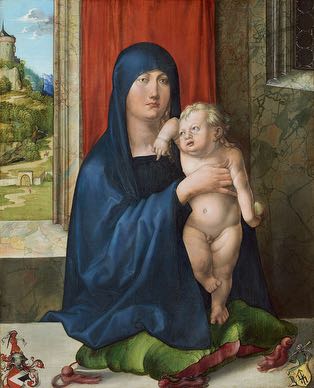
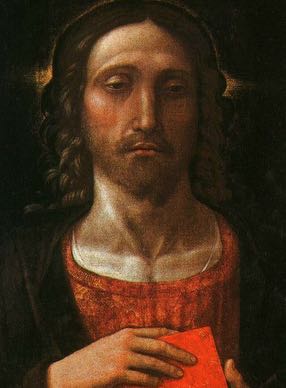
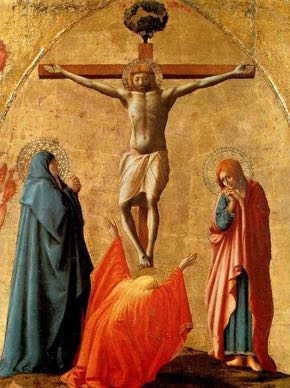
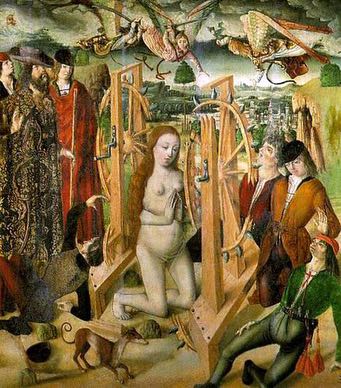
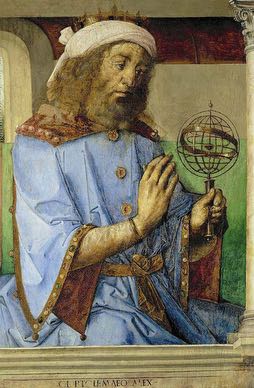
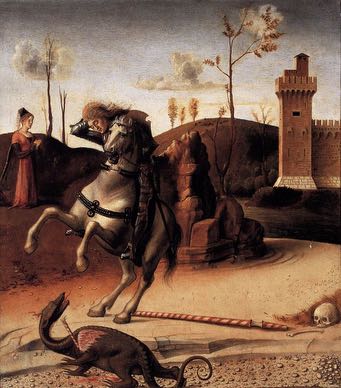
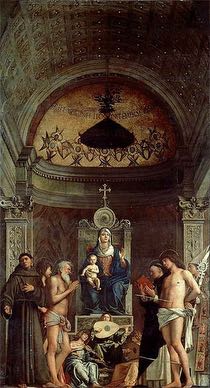
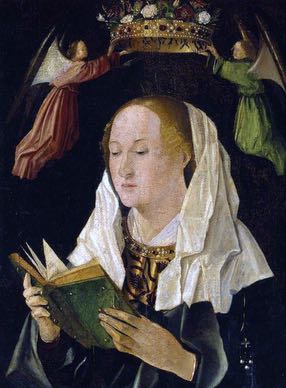
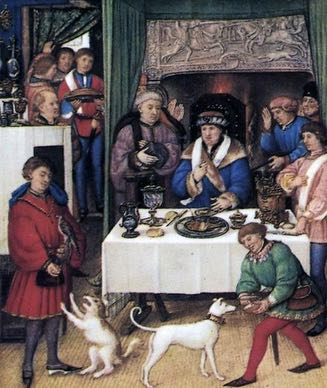
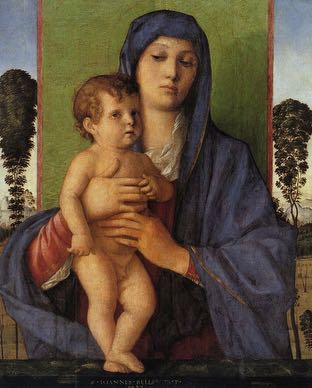

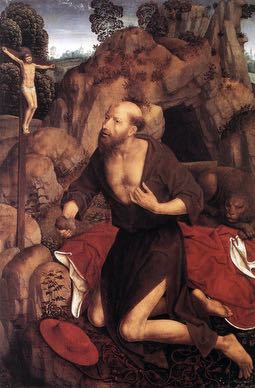
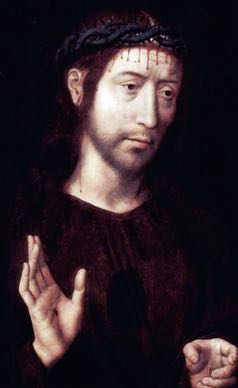

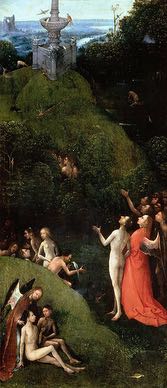
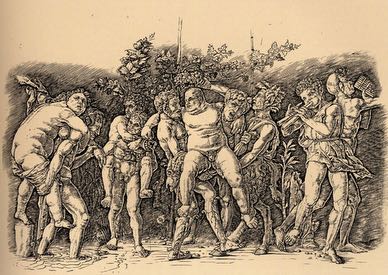

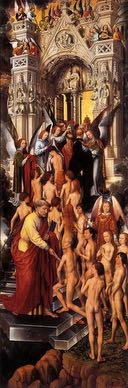
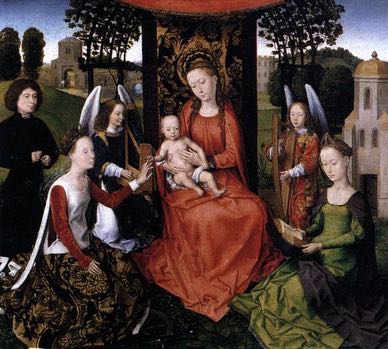
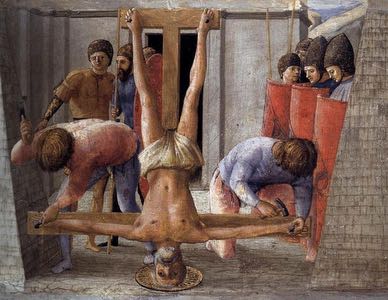

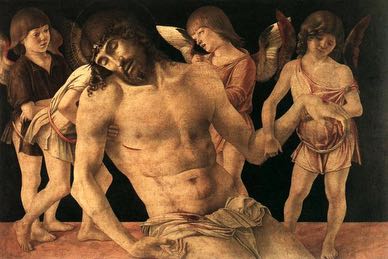

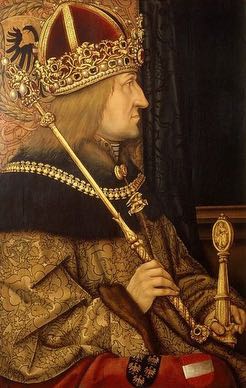
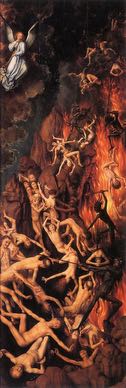
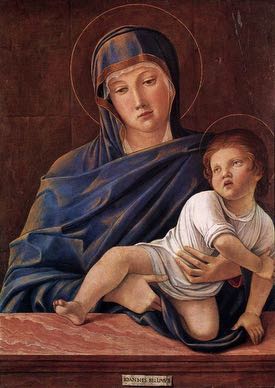


From: $582.00$291.00
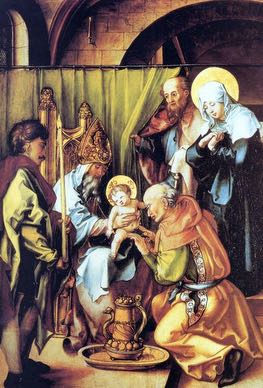
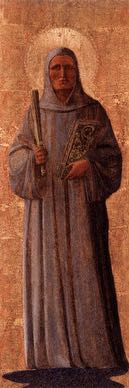
Can’t Find the Painting You Want?
Looking for a specific painting that isn’t in our catalog? Just let us know. We can recreate almost any artwork in the size and style you’re looking for.
Request a PaintingHand-Painted 15th-Century Oil Paintings
Bring the detail, devotion, and innovation of fifteenth-century art into your space with an oil painting created entirely by hand. Our collection includes The Arnolfini Portrait by Jan van Eyck, The Birth of Venus by Sandro Botticelli, and The Last Supper by Leonardo da Vinci, along with other iconic masterpieces of the era. Browse religious narratives, portraits, mythological scenes, courtly images, landscapes, and carefully observed interiors from across the fifteenth century. Every reproduction is painted in oil on canvas, preserving the color, texture, atmosphere, and visual presence that a print cannot provide.
Recreating the Styles of 15th-Century Painting
Fifteenth-century painters developed markedly different artistic approaches. Fra Angelico created luminous devotional scenes, Rogier van der Weyden brought emotional intensity to Northern altarpieces, and Andrea Mantegna used sculptural figures and carefully constructed perspective. We match each reproduction with an artist whose skills suit the original style. Before painting begins, the artist studies its composition, palette, lighting, figures, setting, surface texture, and handling of detail. The work is then recreated by hand in oil on canvas, inspected by our quality-control team, and photographed for your approval.
Custom Sizes and Frames for 15th-Century Art
Your fifteenth-century painting can be ordered in practically any size, from popular standard dimensions to a custom canvas size selected directly on the product page. This flexibility lets you choose a painting that fits your wall and complements your room. After choosing the size, you can add a high-quality frame in a classic or modern design. Our framing collection includes options that complement the period’s rich colors and devotional subjects. Professional canvas stretching is also available, allowing the artwork to arrive prepared for display without arranging a separate visit to a frame shop.
Order a 15th-Century Art Reproduction with Confidence
Buying a hand-painted fifteenth-century reproduction online should feel clear and comfortable. Once your painting is complete, we send high-resolution photographs so you can inspect the composition, colors, figures, details, texture, and overall finish before shipping. You may request adjustments if needed, and the artwork is dispatched only after you approve the finished result. Your order also includes free express worldwide shipping and is covered by our 90-day return policy. Together, these assurances help you choose a fifteenth-century oil painting with greater confidence and know what to expect.
The Art and History of the 15th Century
Fifteenth-century painting developed between 1401 and 1500, when European artists transformed inherited medieval traditions while creating new ways to represent bodies, interiors, landscape, light, and space. International Gothic elegance continued early in the period, while the Renaissance expanded through Italian courts and city-states. In the Netherlands, painters refined layered oil techniques and close observation. Churches remained major patrons, but courts, guilds, civic institutions, merchants, and private households also commissioned art. The century therefore produced devotional panels, altarpieces, portraits, mythological subjects, courtly images, and experiments that prepared the achievements of the High Renaissance.
Read More
What Defined Painting in the 15th Century?
Painting during the fifteenth century cannot be reduced to one appearance or one center. Artists worked in Florence, Venice, Padua, Urbino, Bruges, Ghent, Cologne, and many other places, responding to local traditions, available materials, workshop practices, and the expectations of patrons. Some compositions retained gold, elaborate pattern, and courtly elegance, while others emphasized measurable space, natural light, individual character, and the physical weight of figures.
Religious paintings remained central, especially altarpieces, private devotional panels, biblical narratives, and images of the Virgin and Child. Yet portraiture, classical mythology, civic imagery, and secular decoration also became more prominent. The period’s importance lies partly in this coexistence: established forms remained meaningful even as artists devised new methods for describing the visible world.
The century also witnessed increasing artistic exchange. Drawings, prints, luxury goods, diplomatic travel, pilgrimage, trade, and the movement of artists carried visual ideas between regions. Italian painters studied Northern oil technique, while Northern artists encountered Italian approaches to antiquity and space. These exchanges did not erase local identities, but they widened the possibilities available to painters.
How Did International Gothic Continue into the Century?
International Gothic had developed around European courts before 1400 and remained influential during the early fifteenth century. Its paintings often feature elegant figures, flowing contours, brilliant color, patterned textiles, precious materials, and carefully described plants, animals, architecture, and costume.
Gentile da Fabriano brought these qualities to remarkable refinement. His Adoration of the Magi presents the biblical journey as a richly staged procession filled with courtly dress, exotic animals, gold, and narrative detail. The work demonstrates that decorative splendor and close observation could coexist.
The style did not simply disappear when Renaissance methods emerged. Its elegance continued in courtly manuscripts, panels, frescoes, and decorative programs, sometimes blending with newer interests in anatomy, perspective, and natural space. This gradual transition is more accurate than imagining a sudden division between medieval and Renaissance art.
Why Did Florence Become an Early Renaissance Center?
Florence supported painters through churches, religious orders, civic institutions, guilds, confraternities, merchants, bankers, and powerful families. Competition for public and private commissions encouraged workshops to develop distinctive approaches, while the city’s interest in classical literature, mathematics, architecture, and civic identity shaped the wider culture of the Renaissance.
Masaccio gave figures unusual weight and organized sacred events within convincing architectural settings. Fra Angelico united clear spatial arrangements with luminous color and contemplative devotion. Filippo Lippi developed graceful figures and intimate relationships, especially in images of the Virgin and Child.
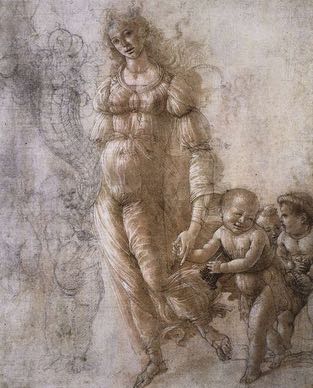
Later Florentine painters expanded the range of public and private art. Domenico Ghirlandaio placed sacred stories within detailed contemporary settings, while Sandro Botticelli became equally accomplished in devotional, portrait, literary, and mythological subjects.
How Did Perspective and Humanism Change Italian Painting?
Linear perspective offered Italian painters a systematic way to organize architecture and figures in depth. Orthogonal lines could direct the eye toward a vanishing point, helping a flat surface suggest measurable space. Artists did not use this method identically, and atmospheric distance, overlapping forms, scale, and light remained equally important to the construction of convincing settings.
Humanist scholarship renewed interest in ancient literature, history, philosophy, rhetoric, and the material remains of Greece and Rome. Painters and patrons drew on classical architecture, costume, mythology, and ideals of proportion. This did not replace Christian art. Instead, biblical subjects were often presented through bodies and spaces shaped by new attention to antiquity and observation.
Piero della Francesca combined geometry, stillness, and lucid light, while Paolo Uccello experimented intensely with perspective and repeated forms. Andrea Mantegna treated figures with sculptural firmness and filled compositions with archaeological detail.
What Roles Did Workshops, Guilds, and Patrons Play?
Most painters worked within workshops rather than as isolated individuals. Apprentices learned to prepare panels, grind pigments, transfer drawings, apply gilding, paint secondary passages, and assist with large commissions. A master negotiated with patrons, designed compositions, supervised production, and completed the most important areas, although the division of labor varied from one workshop to another.
Contracts could specify dimensions, subject matter, materials, delivery dates, payment, and the amount of work expected from the master’s own hand. Guilds regulated professional practice in many cities, while family workshops helped skills and customers pass between generations. Successful studios could produce altarpieces, portraits, banners, decorative panels, and temporary festival designs for different clients.
Patronage shaped what was painted and where it appeared. Churches and religious communities ordered works for worship and commemoration. Rulers used art to express lineage and authority, civic bodies commissioned images tied to public identity, and merchants purchased portraits or devotional panels for homes and chapels. Artists still exercised invention, but they did so within active relationships with patrons, settings, and audiences.
How Did Northern European Artists Transform Oil Painting?
Oil paint was known before the fifteenth century, but Netherlandish artists developed exceptionally sophisticated ways of using it. Thin and opaque layers, controlled transitions, highlights, and glazes allowed painters to describe skin, hair, glass, metal, fur, jewels, wood, textiles, reflected light, and distant landscape with remarkable precision.
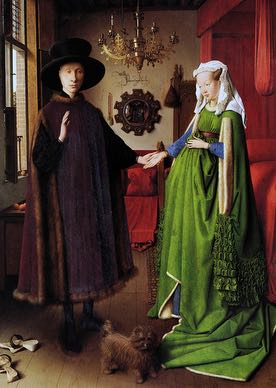
Jan van Eyck became celebrated for luminous surfaces and closely observed settings. The Arnolfini Portrait brings figures, clothing, furniture, glass, fruit, metal, and a convex mirror into one carefully coordinated interior. Its scale is intimate, yet its visual information is extraordinarily dense.
Rogier van der Weyden used oil technique for a different purpose, concentrating attention on expressive gesture, grief, and the relationships among figures. Hans Memling, Hugo van der Goes, and Petrus Christus extended Northern approaches through portraiture, altarpieces, devotional images, and carefully structured interiors.
How Did Portraiture and Secular Subjects Expand?
Portraiture became increasingly important at courts and among urban patrons. Sitters could be shown in profile, three-quarter view, or within interiors, accompanied by clothing, jewels, books, architecture, landscapes, coats of arms, or objects connected with status and devotion. The growth of portraiture reflected both individual commemoration and the social networks of families, rulers, merchants, and officials.
Italian profile portraits drew upon ancient coins and medals, while Northern painters often turned the sitter toward the viewer and modeled faces through subtle light. Piero della Francesca’s Federigo da Montefeltro presents a ruler in strict profile against a distant landscape. Rogier van der Weyden’s portraits use restrained backgrounds and precise facial description to create a more direct encounter.
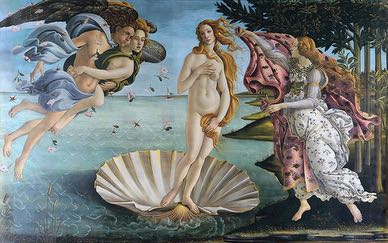
Secular painting also included mythology, courtly narratives, historical subjects, decorative cycles, and scenes connected with marriage or family identity. Botticelli’s Primavera and The Birth of Venus brought classical poetry, graceful movement, landscape, and complex interpretation into ambitious private commissions.
How Did Italian Regional Schools Develop?
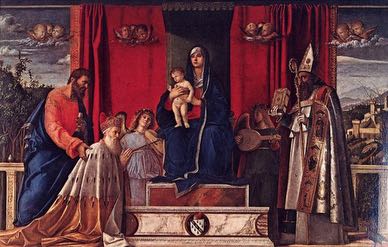
Florence was influential, but Italian painting remained strongly regional. Venice offered painters access to international trade, luxury pigments, Byzantine traditions, and a distinctive interest in color and light. Giovanni Bellini developed devotional images and altarpieces with atmospheric landscape, softened light, and increasingly unified color.
In Padua and Mantua, Mantegna combined perspective, antiquarian study, and sculptural figures. At Urbino, Piero della Francesca’s ordered spaces and measured light suited a court interested in mathematics, architecture, and humanist learning. In central Italy, Luca Signorelli explored anatomy, movement, and large figure compositions.
These regional differences complicate any simple account of a single Italian Renaissance style. Artists traveled, patrons exchanged objects, and ideas moved between courts and cities, but local institutions and workshops continued to shape the character of painting.
Why Did Religious Painting Remain Central?
Religious images served worship, teaching, prayer, commemoration, institutional identity, and personal devotion. Large altarpieces organized sacred figures for public settings, while smaller panels allowed private owners to contemplate the Virgin and Child, Christ, saints, or episodes from scripture. Donor portraits could place patrons near holy figures and preserve their presence within a chapel or church.
Artists continually reinterpreted familiar subjects. Annunciations could emphasize architecture and measured space, Adorations could become elaborate gatherings of costume and social rank, and Lamentations could focus on grief and physical vulnerability. Fra Angelico’s Adoration of the Magi differs greatly from Mantegna’s The Lamentation over the Dead Christ, yet both show how invention operated within established Christian narratives.
The continuing importance of devotion helps explain why artistic innovation was often introduced through religious art rather than in opposition to it. New approaches to perspective, landscape, anatomy, emotion, light, and material detail could make sacred events more immediate to fifteenth-century viewers.
Which Paintings Represent the Range of 15th-Century Art?
The following works show the century’s movement between courtly splendor, devotional intensity, portraiture, mythological invention, spatial experiment, and close observation:
- Adoration of the Magi by Gentile da Fabriano joins a biblical subject with courtly procession, rich costume, animals, gold, and intricate narrative detail.
- The Arnolfini Portrait by Jan van Eyck turns an intimate interior into a concentrated display of light, texture, objects, and individual presence.
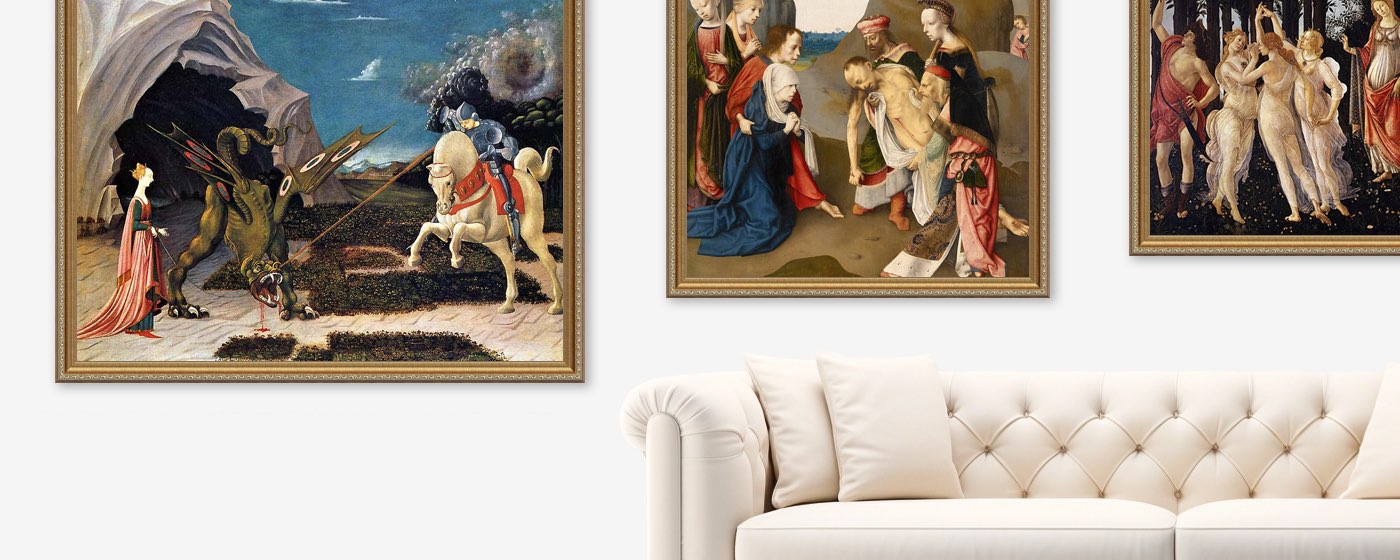
- St. George and the Dragon by Paolo Uccello combines a legendary encounter with stylized landscape and a carefully ordered spatial design.
- Federigo da Montefeltro by Piero della Francesca presents political identity through profile, controlled geometry, clear light, and an expansive landscape.
- The Lamentation over the Dead Christ by Andrea Mantegna uses severe foreshortening and close placement to intensify the viewer’s encounter with grief.
- Primavera by Sandro Botticelli arranges mythological figures, flowering plants, movement, and poetic allusion within an enigmatic garden.
- The Birth of Venus by Sandro Botticelli transforms a classical subject through flowing contours, delicate color, windblown fabric, and an idealized shore.
- The Last Supper by Leonardo da Vinci organizes varied gestures and expressions around Christ within a unified architectural space.
How Did 15th-Century Art Prepare the High Renaissance?
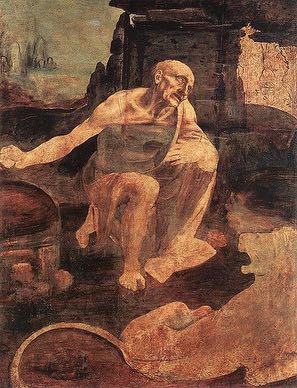
By 1500, painters had inherited a century of experiments with perspective, anatomy, gesture, portraiture, landscape, oil technique, classical subject matter, and large narrative design. Leonardo da Vinci’s late fifteenth-century work brought many of these concerns together through observation, compositional unity, subtle transitions, and sustained study of the human figure.
Artists born during the fifteenth century, including Leonardo, Michelangelo, Raphael, Giorgione, and Titian, would shape the opening decades of the sixteenth. Their achievements depended on workshop traditions, technical knowledge, patronage networks, and artistic questions developed by earlier generations.
The High Renaissance should therefore be understood as a continuation and concentration of fifteenth-century developments rather than an isolated beginning. Northern painting likewise carried its technical precision and expressive power into the sixteenth century, influencing artists far beyond the Low Countries.
Why Do 15th-Century Paintings Remain Popular?
Fifteenth-century art offers exceptional variety. A viewer can choose the close detail of a Northern interior, the clarity of an Italian devotional scene, the grace of a mythological composition, the authority of a court portrait, or the narrative richness of an altarpiece. These works can feel contemplative, formal, decorative, intimate, or dramatic.
The period also rewards repeated viewing. Small objects, plants, architecture, gestures, fabrics, distant landscapes, and symbolic details often contribute to the meaning of a composition. A hand-painted oil reproduction preserves the layered color, tonal relationships, texture, and physical presence that make these historical works compelling in a home, office, or personal collection.
Copyright © 2026 BrushWiz. All Rights Reserved.
About Our 15th-Century Paintings
Are your 15th-century reproductions painted by hand?
Yes. Every reproduction is individually painted by hand in oil on canvas by a professional artist. We do not use prints, digital transfers, or mechanical reproduction methods.
How do your artists recreate different 15th-century styles?
Our artists study the original painting’s composition, color palette, lighting, figures, setting, texture, and handling of detail. Because International Gothic, Italian Renaissance, and Northern European works require different methods, the approach is adapted to the individual artwork.
Which 15th-century painting will suit my space?
The best choice depends on the atmosphere you want to create. Northern interiors and portraits can provide an intimate focal point, while religious narratives and mythological compositions often have a stronger formal presence. Consider the painting’s orientation, dominant colors, level of detail, and the available wall space. Our team can also help you compare suitable works, sizes, and frames.
What artists are represented in the collection?
The collection includes works by Jan van Eyck, Rogier van der Weyden, Fra Angelico, Piero della Francesca, Andrea Mantegna, Giovanni Bellini, Sandro Botticelli, Leonardo da Vinci, Hans Memling, Domenico Ghirlandaio, Paolo Uccello, and many others.
What subjects appear in 15th-century paintings?
Fifteenth-century artists painted biblical narratives, saints, the Virgin and Child, portraits, courtly scenes, classical mythology, historical subjects, landscapes, interiors, and images connected with civic or family identity. The collection ranges from devotional works and altarpieces to secular and decorative compositions.
Can I request a 15th-century painting that is not listed?
Yes. Send us the painting’s title or a reference image. Our team will review your request and confirm whether it can be reproduced, together with the available sizes, estimated production time, and price.
How closely will my painting resemble the original?
Our artists work to capture the composition, colors, texture, lighting, details, and visual character of the original fifteenth-century painting as closely as possible. Because every reproduction is painted by hand, small variations are natural and make each canvas unique.
Are custom sizes and frames available?
Yes. Most fifteenth-century paintings can be ordered in standard or custom canvas dimensions. High-quality frames in classic and modern designs are available, together with professional canvas stretching. Compatible options are displayed on the product page.
Will I receive photographs before the painting is shipped?
Yes. We send high-resolution photographs of the completed painting for your approval. You may request adjustments if needed, and the artwork will not be dispatched until the review process is complete.
Do 15th-century reproductions include worldwide shipping and returns?
Yes. Fifteenth-century reproductions qualify for free express worldwide shipping. After dispatch, delivery generally takes five to eight business days, depending on the destination. Orders are also covered by our 90-day return policy, subject to the current terms and eligibility requirements.
Why BrushWiz?
100% Hand Painted
Every piece is entirely handmade
Museum Quality
Faithfully recreated by expert artists
Custom Framing
Choose from a wide range of frames
Free Shipping
Enjoy free shipping on all orders
Cash Back Rewards
Earn cash back with every purchase