

❄️ Winter Sale. Offer Ends 11/28/2026. View Details
❄️ Winter Sale. Ends 11/28/2026. View Details
❄️ Winter Sale. View Details
Artists
Subjects
Movements
Collections
Decor
Portraits
Commissions
Framing
Reviews
Gift Cards
On Sale
Decorate Your Space with Southwestern Art
Experience the rich cultural heritage and adventurous spirit of the American Southwest with oil paintings expertly hand-painted by skilled artists.
Shop Art
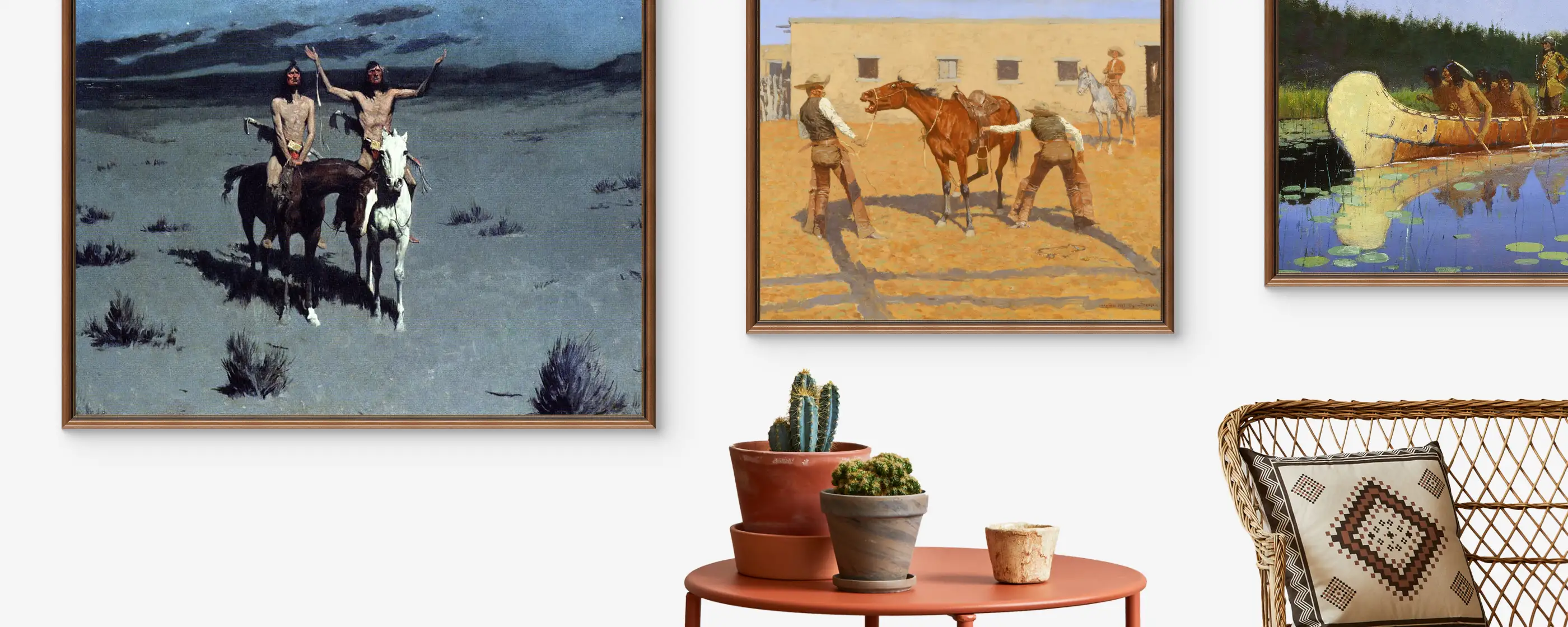
Showing 641-680 of 1363 results
Sort By
Most Popular
- Most Popular
- New Arrivals
- Best Sellers
- Alphabetical A-Z
- Alphabetical Z-A

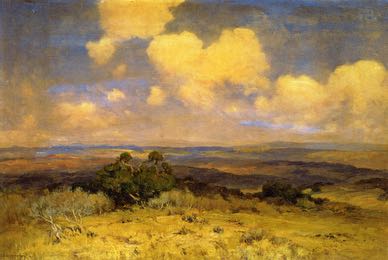
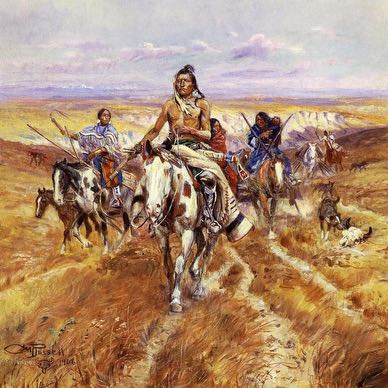

From: $636.00$318.00


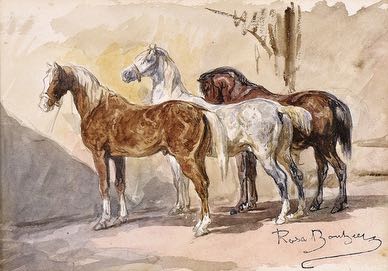
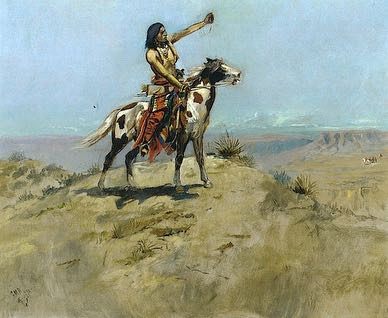
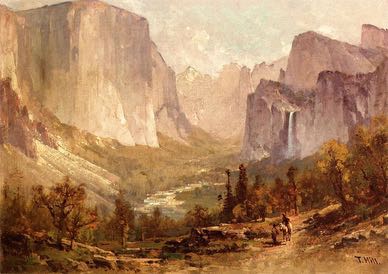

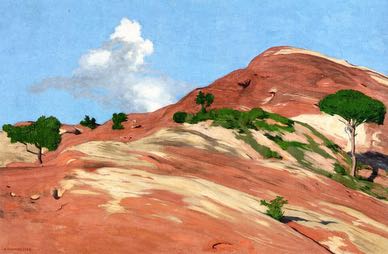
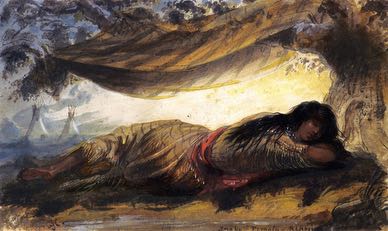
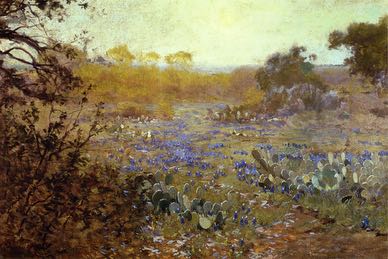
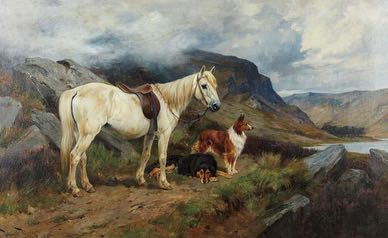
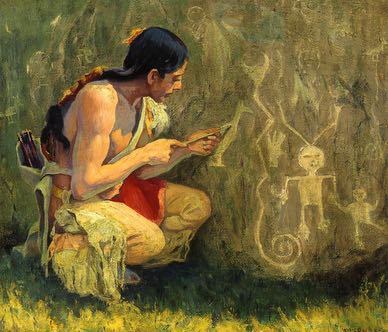
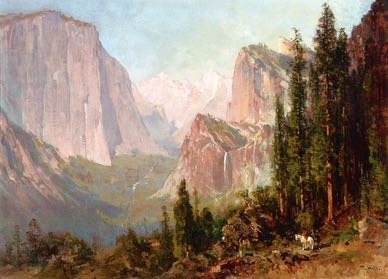
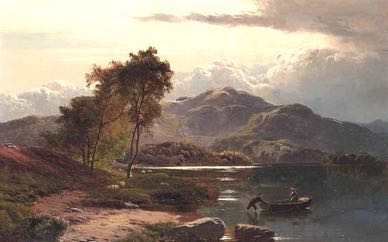

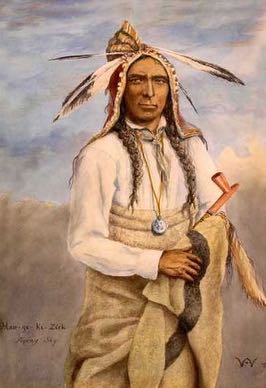


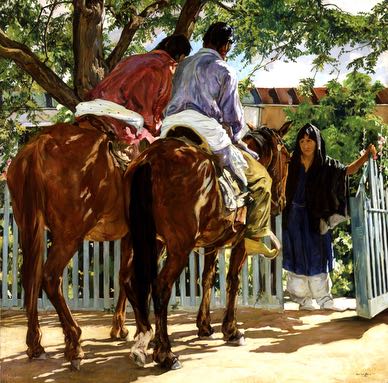

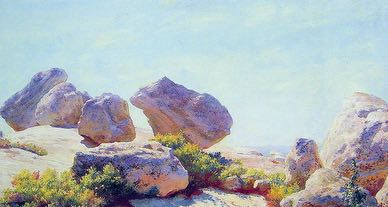
From: $600.00$300.00

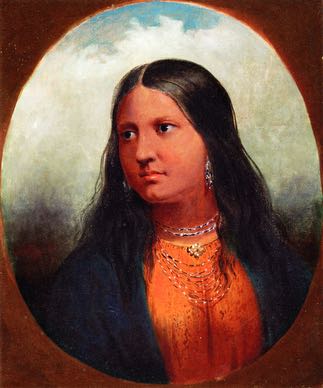
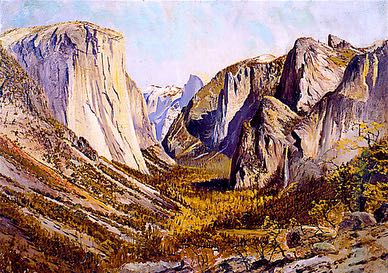
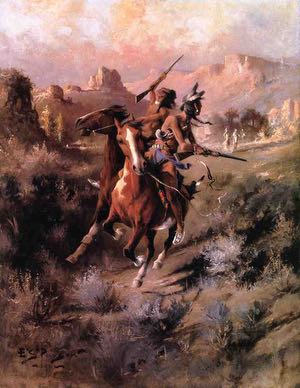
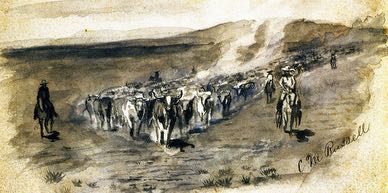

From: $654.00$327.00
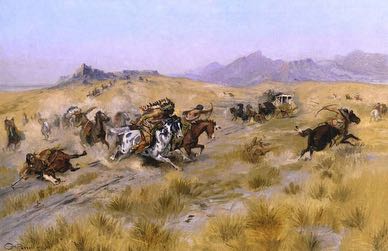

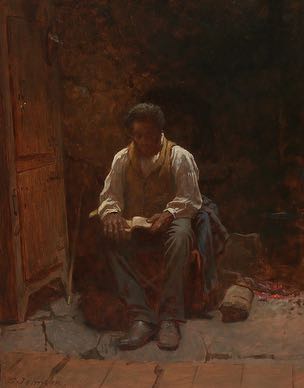

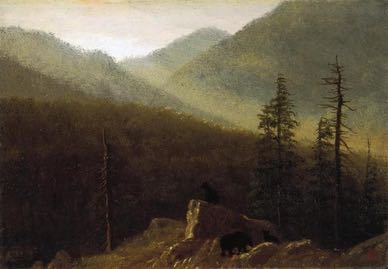
Can’t Find the Painting You Want?
Send us a reference image. We can recreate almost any artwork in the size and style you’re looking for.
Get a Free QuoteSouthwestern Wall Art for Warm, Characterful Interiors
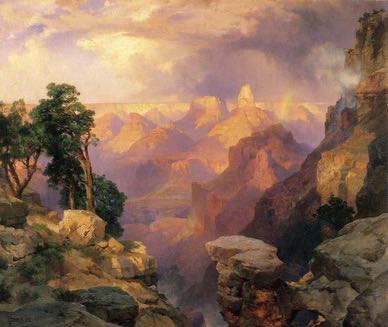
Southwestern wall art brings the scale, color, and stories of the American West into traditional and modern interiors. Our collection features thousands of works by famous artists, including The Smoke Signal by Frederic Remington, Desert Romance by Frank Tenney Johnson, and Canyon Mists, Zoroaster Peak by Thomas Moran. Browse expansive desert landscapes, canyon views, horses, ranch life, evening skies, and narrative scenes shaped by travel and regional history. Every reproduction is painted by hand in oil on canvas, providing the color, texture, and presence that a print cannot offer.
Choosing a Southwestern Oil Painting for Your Room
Start with the mood you want the room to have. Desert and canyon paintings introduce sand, rust, ochre, violet, and blue, while horse paintings and Wild West scenes add movement and narrative. Quiet landscapes can suit bedrooms and offices, while wider, more dramatic works can anchor living and dining rooms. Look for artwork that shares one or two colors with your textiles, leather, wood, or pottery. Consider the room’s natural light as well, since warm palettes can appear richer at different times of day. This helps the artwork feel connected to the room while remaining a distinct focal point.
Custom Sizes and Frames for Southwestern Wall Art
Your Southwestern painting can be ordered in practically any size, from standard dimensions to a custom canvas size selected directly on the product page. Wide landscapes suit walls above sofas, beds, and dining furniture, while vertical compositions can fill narrower spaces. After selecting the size, you can add a high-quality frame in a classic or modern design. Wood tones and simple profiles pair naturally with Southwestern interiors without overwhelming the artwork. Professional canvas stretching is also available, so your painting can arrive ready for display.
Order Southwestern Wall Art with Confidence
Buying a hand-painted Southwestern reproduction online should feel clear and comfortable. Once your painting is complete, we send high-resolution photographs so you can review its composition, colors, details, texture, and overall finish before shipping. You may request adjustments if needed, and the artwork is dispatched only after you approve it. Your order also includes free express worldwide shipping and is covered by our 90-day return policy. Together, these assurances help you choose Southwestern wall art with greater confidence and know what to expect.
A Guide to Decorating with Southwestern Wall Art
Southwestern interiors draw inspiration from the landscapes, colors, architecture, materials, and varied cultural traditions of the American Southwest. Oil paintings can introduce this character without requiring every part of a room to follow one decorative theme. A desert landscape, horse painting, canyon view, or Western scene can become the visual center of a space while working naturally with wood, leather, stone, woven textiles, and warm neutral colors. The most successful arrangements balance regional character with the proportions, lighting, furnishings, and purpose of the individual room.
Read More
What Defines Southwestern Decor?
Southwestern décor is commonly recognized by warm earth tones, natural materials, substantial furniture, textured surfaces, and colors inspired by desert landscapes. Sand, clay, rust, ochre, weathered brown, turquoise, deep blue, and muted green can appear in different proportions depending on whether the room feels rustic, traditional, or contemporary.
Artwork gives these interiors a focal point and a sense of place. A broad landscape can emphasize openness and distance, while a smaller horse painting or evening scene can add character without controlling the entire room. Southwestern design does not require every decorative element to feature the same motifs. A restrained selection of artwork, materials, and colors usually feels more natural than repeating one theme throughout the space.
Where Does Southwestern Style Come From?
The style reflects several distinct sources, including the land and architecture of the American Southwest, Indigenous artistic traditions, Spanish Colonial design, Mexican craft, ranching history, and later interpretations of Western life. These influences developed through different communities and historical experiences and should not be treated as one interchangeable tradition.
In interior design, their influence can be seen in adobe-inspired colors, exposed or weathered wood, leather, ironwork, pottery, woven textiles, and geometric forms. Paintings contribute another layer by presenting landscapes, animals, settlements, travel, and historical narratives. They can support a strongly traditional Southwestern room or introduce regional warmth into an otherwise modern interior.
Which Colors Work Best with Southwestern Wall Art?
A Southwestern palette often begins with warm neutrals and adds stronger accents drawn from the landscape. Brown can connect a painting with wood or leather, while orange and red can echo canyon walls, evening light, pottery, or woven fabrics. Blue and turquoise provide contrast and can prevent a room dominated by warm tones from feeling visually heavy.
The painting does not need to reproduce every color already present in the room. Instead, look for one or two shared tones and allow the remaining colors to create contrast. A cool desert sky can balance terracotta furnishings, while a painting with rust and golden tones can warm a room built around cream walls and pale wood.
Which Artists and Subjects Suit Southwestern Interiors?
Thomas Moran created expansive views of canyons and dramatic Western landscapes, while Frederic Remington and Charles Marion Russell became closely associated with horses, riders, ranch life, and historical Western narratives. Frank Tenney Johnson is especially suited to interiors that benefit from quiet evening scenes and atmospheric color.
Maynard Dixon approached the West through simplified forms, strong shadows, and broad areas of sky, making many of his works suitable for cleaner or more contemporary rooms. The collection also includes paintings connected with Taos, desert travel, historical settlements, mountains, horses, and everyday life. This range allows Southwestern wall art to feel traditional, dramatic, peaceful, or modern according to the selected work.
How Should You Choose the Painting’s Size and Orientation?
Begin with the wall rather than the painting alone. A long wall above a sofa, sideboard, headboard, or dining table usually benefits from a horizontal composition. A vertical painting can suit a narrow wall, reading corner, or the space beside a fireplace. Square artwork is flexible and can work independently or as part of a grouped arrangement.
Leave enough surrounding wall space for the painting to feel intentional rather than crowded. A very small work can appear lost above wide furniture, while an oversized canvas may compete with shelves, windows, or architectural features. Custom sizing makes it possible to preserve the proportions of the original composition while selecting dimensions appropriate for the room.
How Can Southwestern Paintings Work with Furniture and Materials?
Southwestern wall art pairs naturally with leather, weathered or carved wood, stone, clay, woven fabrics, and simple metal details. The painting does not need to match these materials directly. It can instead repeat their warmth, provide a cooler contrast, or introduce a landscape that gives the room greater visual depth.
Frames should support both the painting and the surrounding furnishings. Medium and dark wood tones can reinforce a rustic interior, while a restrained modern frame can keep a colorful or highly detailed painting from feeling too heavy. In rooms containing patterned rugs or textiles, a simpler frame and a composition with broader areas of sky or landscape can create useful visual balance.
Where Can Southwestern Wall Art Be Displayed?
Southwestern paintings can work throughout the home when their scale, palette, and subject suit the purpose of the room:
- Living room: Use a large canyon, desert, or Western landscape as the room’s main focal point.
- Bedroom: Choose quiet evening light, open skies, restrained colors, or a peaceful landscape.
- Dining room: Consider a broad composition with warm colors that relate to wood furniture and ambient lighting.
- Office: Select a landscape or horse painting that conveys openness, energy, or independence without becoming distracting.
- Library: Add a Western landscape or historical scene to complement wood shelving, leather seating, and warm lighting.
For a more contemporary result, use one Southwestern painting in a room with simple furniture and limited accessories. A more layered interior can combine several works, but they should share a relationship through palette, subject, frame finish, or visual weight.
Copyright © 2026 BrushWiz. All Rights Reserved.
About Our Southwestern Wall Art
Are your Southwestern paintings created by hand?
Yes. Every reproduction is individually painted by hand in oil on canvas by a professional artist. We do not use prints, digital transfers, or mechanical reproduction methods.
What subjects are available in Southwestern wall art?
The collection includes desert landscapes, canyons, mountains, horses, ranch scenes, riders, settlements, historical narratives, and views of the American West. Subjects range from quiet atmospheric landscapes to active scenes filled with figures and movement.
Which colors are commonly found in Southwestern paintings?
Many Southwestern paintings feature sand, brown, rust, terracotta, ochre, orange, red, turquoise, blue, and muted green. The precise palette depends on the artist, location, weather, and time of day represented in the original artwork.
How do I choose Southwestern art for my room?
Consider the wall size, furniture, lighting, existing colors, and atmosphere you want to create. Wide landscapes work well above large furniture, while vertical or smaller compositions can suit narrow walls, offices, bedrooms, and entryways.
Will Southwestern wall art work in a modern interior?
Yes. A Southwestern painting can add warmth and character to a modern room without requiring rustic furniture or extensive themed decoration. Choose a restrained frame and allow the painting to serve as one distinctive focal point.
Can I request a Southwestern painting that is not listed?
Yes. Send us the painting’s title or an image if you cannot find the artwork you want. Our team will review the request and confirm whether it can be reproduced, together with the available sizes, estimated production time, and price.
Are custom canvas sizes available?
Yes. Most Southwestern paintings can be ordered in standard or custom dimensions. Available size options are displayed on the product page, allowing you to select proportions suited to your wall and furniture.
May I add a frame to my Southwestern painting?
Yes. High-quality frames in classic and modern designs are available for many paintings. You can view compatible options on the product page. Professional canvas stretching is also available if you prefer the painting without a decorative frame.
Will I receive photographs before shipping?
Yes. We send high-resolution photographs of the completed painting for your approval. You may request adjustments if needed, and the artwork will not be dispatched until the review process is complete.
Do Southwestern paintings include worldwide shipping and returns?
Yes. Southwestern paintings qualify for free express worldwide shipping. After dispatch, delivery generally takes five to eight business days, depending on the destination. Orders are also covered by our 90-day return policy, subject to the current terms and eligibility requirements.
Why BrushWiz?
100% Hand Painted
Every piece is entirely handmade
Museum Quality
Faithfully recreated by expert artists
Custom Framing
Choose from a wide range of frames
Free Shipping
Enjoy free shipping on all orders
Cash Back Rewards
Earn cash back with every purchase