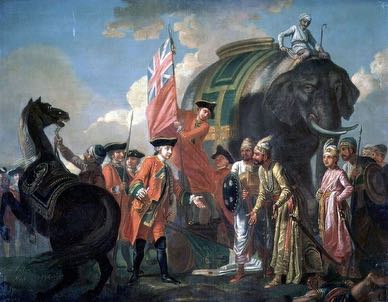
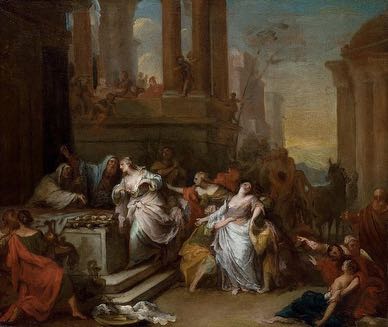
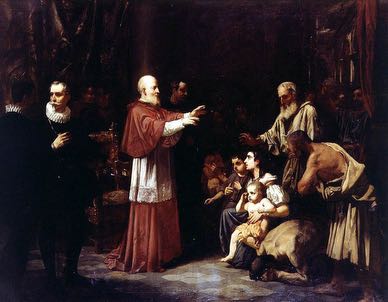
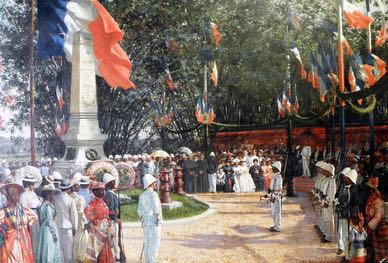
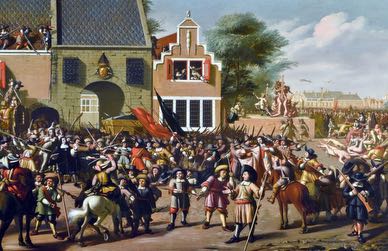
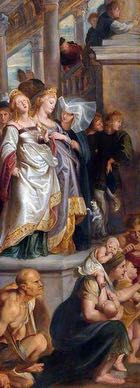
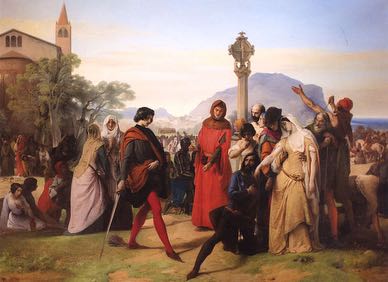
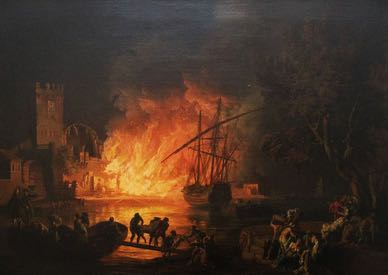
Historical art serves as a powerful medium for exploring and preserving the past, offering visual narratives that capture key events, figures, and eras. This genre of art is dedicated to depicting historical moments and interpreting the complexities of human history through creative expression. From ancient depictions of significant events to contemporary reinterpretations, historical art provides valuable insights into the cultural, social, and political contexts of different periods.
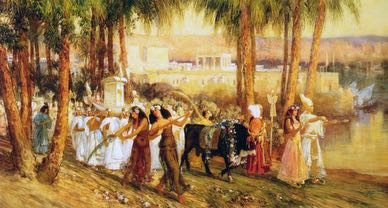
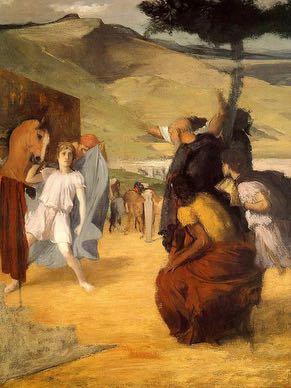
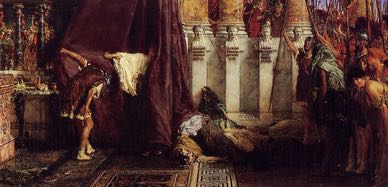
The tradition of historical art dates back to ancient civilizations, where monumental works were created to commemorate rulers, victories, and religious events. In ancient Egypt, for example, tomb paintings and reliefs depicted scenes of important historical events and the achievements of pharaohs, serving both as a record and a tribute to their legacies. Similarly, ancient Greek and Roman art often illustrated significant historical and mythological events, including battles, triumphs, and divine interventions, reflecting the values and beliefs of these societies.
During the Middle Ages, historical art continued to thrive, often blending with religious themes. Illuminated manuscripts, frescoes, and tapestries depicted both historical and biblical scenes, integrating historical narratives with spiritual teachings. This period saw the creation of artworks that not only illustrated significant events but also conveyed moral and religious messages.
The Renaissance marked a renewed focus on historical subjects, with artists such as Leonardo da Vinci and Michelangelo bringing a new level of realism and detail to their depictions. Renaissance artists explored historical themes with a heightened emphasis on accuracy and humanistic ideals. Leonardo’s studies of historical figures and Michelangelo’s grand historical compositions reflect the era’s fascination with classical antiquity and the profound impact of historical narratives on contemporary thought.
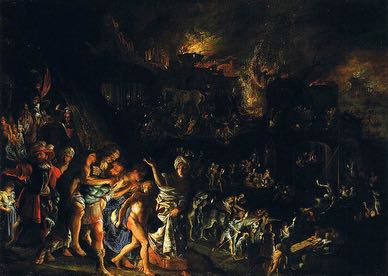
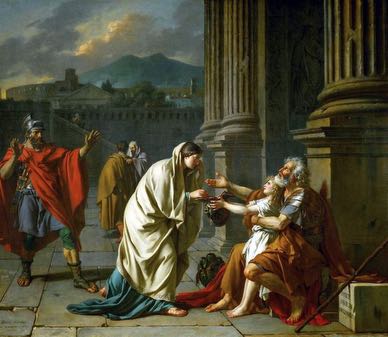
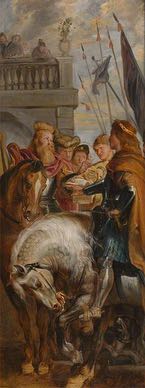
In the 17th and 18th centuries, historical painting continued to evolve with the Baroque and Neoclassical movements. Artists like Peter Paul Rubens and Jacques-Louis David created dramatic and formal portrayals of historical events and figures, using their art to convey political and cultural messages. Rubens’s energetic compositions and David’s neoclassical style both illustrate the ways in which historical art was used to shape public perception and commemorate significant moments.
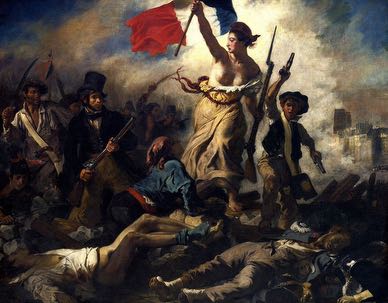
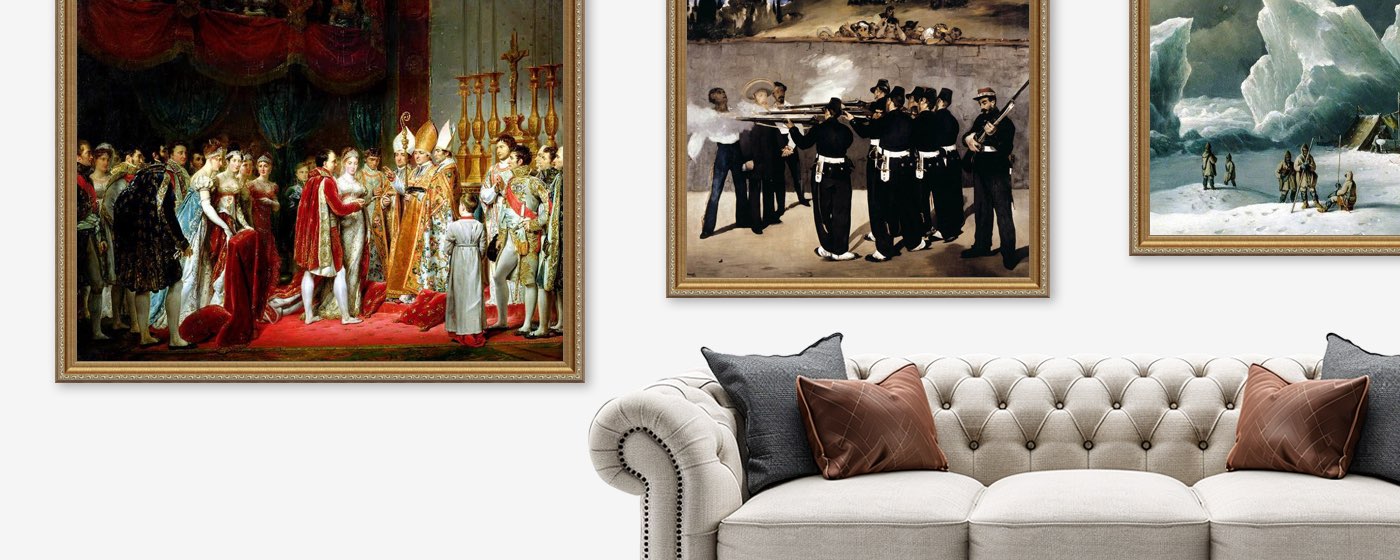
The 19th century brought further innovation with the Romantic movement and the rise of historical realism. Artists such as Eugene Delacroix and Gustave Courbet depicted historical events with emotional intensity and attention to detail, reflecting the Romantic fascination with individual experience and the complexities of history. Their work highlighted the dramatic and often turbulent nature of historical events, capturing the essence of human struggle and achievement.
In the 20th and 21st centuries, contemporary artists continue to engage with historical themes, offering new perspectives and interpretations. From postmodern deconstructions to multimedia installations, modern historical art addresses contemporary issues and reexamines historical narratives. This approach allows artists to explore the relevance of history in the present and engage with the ongoing impact of historical events on current society.
Historical art plays a crucial role in documenting and interpreting the past, providing a visual record of human experiences and achievements. Through various artistic styles and techniques, this genre captures the essence of historical moments, offering valuable insights into the cultural and societal contexts of different periods. Whether through classical representations or modern reinterpretations, historical art remains a vital means of exploring and understanding the complexities of human history.
Copyright © 2026 BrushWiz. All Rights Reserved.