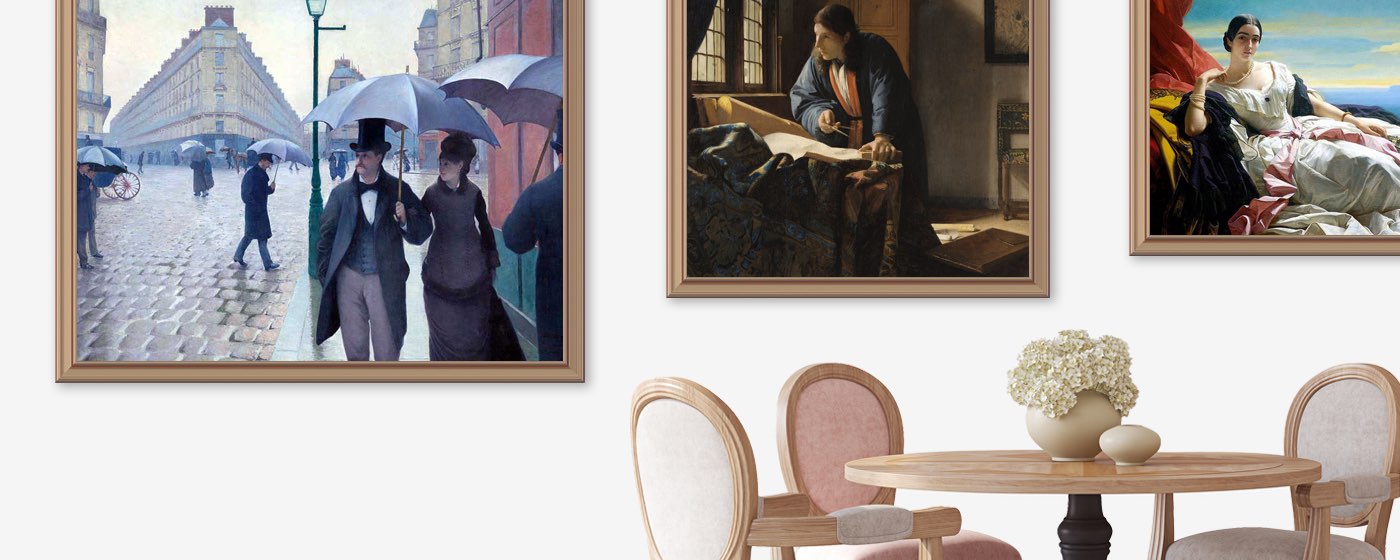
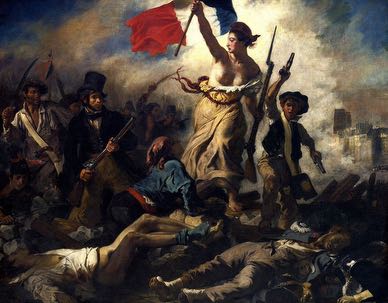
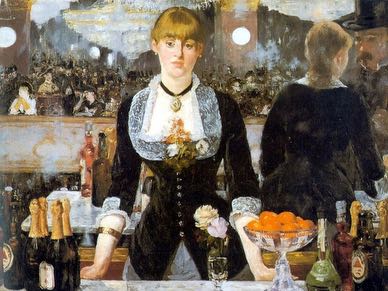
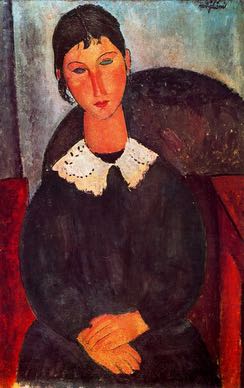
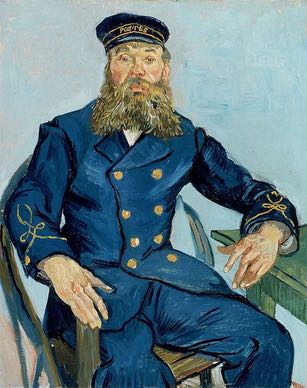
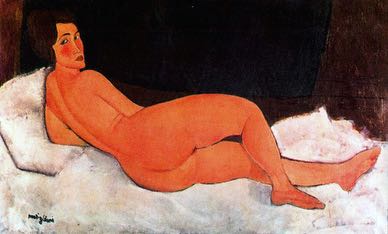
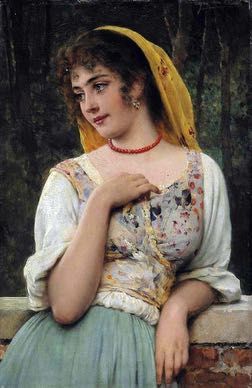
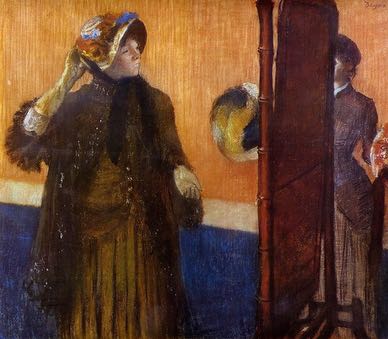
Figurative art has held a pivotal place in the world of creativity for millennia. It encompasses a broad range of artistic expressions centered around human figures, from detailed portraits to dynamic scenes of historical events and everyday life. This genre offers a profound reflection of the human experience and an exploration of identity, society, and culture. From ancient carvings to contemporary masterpieces, figurative art boasts a rich and evolving history that continues to resonate with audiences worldwide.
The origins of figurative art can be traced back to ancient civilizations, where early artists sought to capture the human form and experience. In ancient Egypt, art was deeply intertwined with religion and daily life. Artists created detailed tomb paintings and sculptures that depicted gods, pharaohs, and scenes of everyday activities, reflecting the significance of these figures in Egyptian culture. The Greeks and Romans further advanced figurative art by focusing on the human body in both idealized and realistic forms. Greek sculptors like Phidias and Praxiteles celebrated the beauty and symmetry of the human form, while Roman artists often portrayed more individualized and realistic figures, capturing the unique traits of their subjects.
The Renaissance period marked a profound transformation in figurative art, as artists began to emphasize naturalism and human emotion. Pioneering figures such as Leonardo da Vinci and Michelangelo delved into the complexities of human anatomy, using their studies to create lifelike representations that conveyed a deep sense of realism and psychological depth. Leonardo’s meticulous anatomical studies and Michelangelo’s masterful sculptures like David and the Pietà are testaments to the Renaissance artists’ commitment to capturing the human experience in its full range of expression.
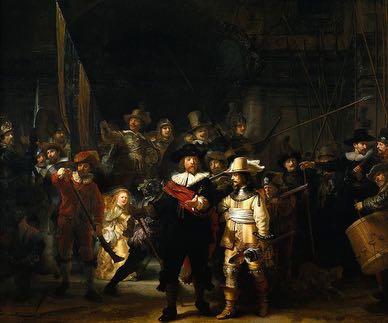
As the centuries progressed, figurative art continued to evolve, reflecting changes in society, culture, and artistic philosophy. The Baroque period, with its dramatic use of light and shadow, brought a heightened sense of movement and emotion to figurative scenes. Artists like Caravaggio and Rembrandt explored the interplay of light and darkness to emphasize the intensity of human emotions and experiences. The 19th century saw the rise of various artistic movements that challenged traditional representations. Impressionists such as Claude Monet and Edgar Degas experimented with capturing fleeting moments and the effects of light, often focusing on scenes of everyday life and figures in motion. Meanwhile, movements like Expressionism and Surrealism explored the inner psyche, presenting distorted and imaginative portrayals of the human condition.
In the modern era, figurative art has blossomed into diverse and imaginative forms. Contemporary artists employ a wide array of mediums and techniques to explore the human figure, from traditional oil paintings and sculptures to innovative installations and digital art. This genre now encompasses a broad spectrum of themes, including identity, social issues, and personal narratives. Figurative art continues to serve as a powerful tool for reflecting on the human experience, advocating for social change, and exploring the complexities of the self.
Figurative art remains a vital and dynamic expression of our humanity, offering a window into our collective and individual experiences. It stands as a testament to our enduring fascination with the human form and our continuous quest to understand and represent our place in the world. Whether through realistic depictions or abstract interpretations, figurative art continues to inspire, provoke thought, and celebrate the profound beauty and significance of the human experience.
Copyright © 2026 BrushWiz. All Rights Reserved.