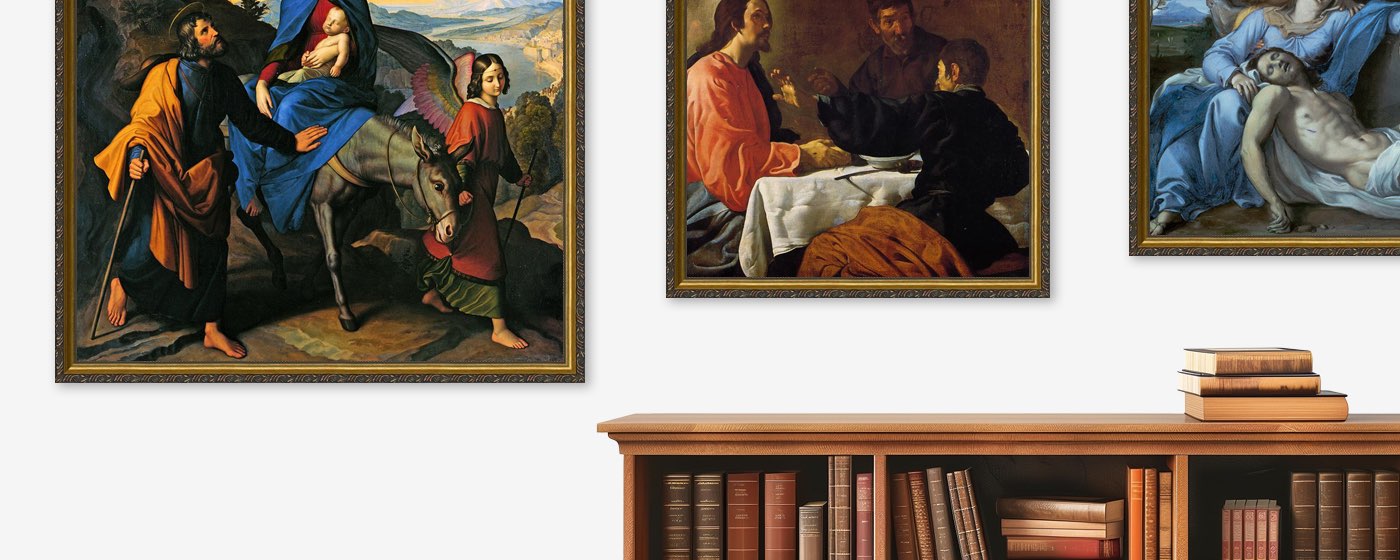
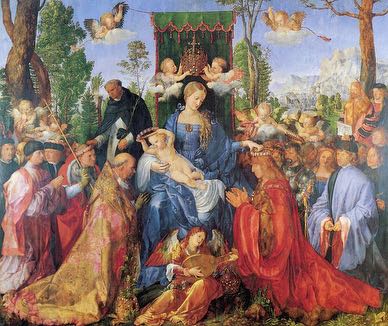
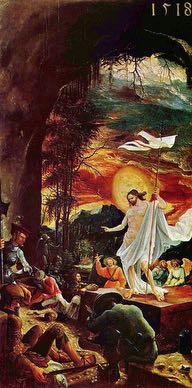
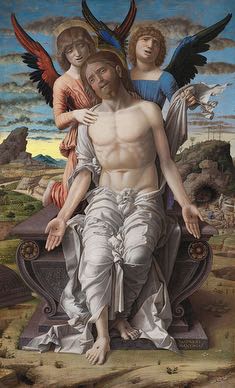
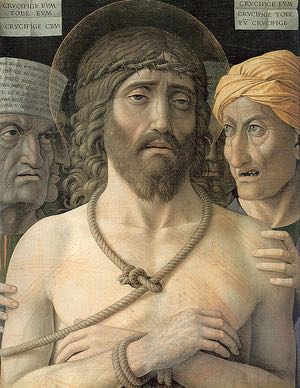
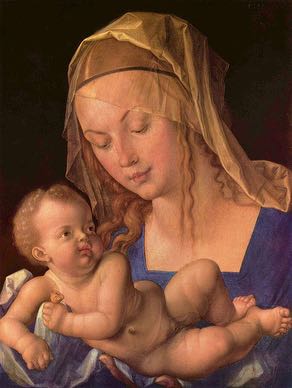
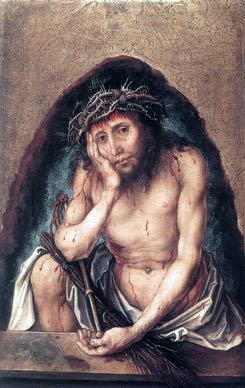
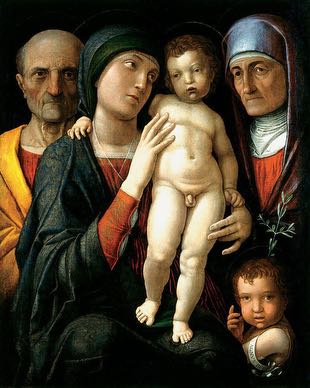
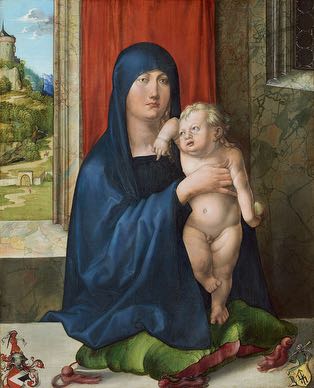
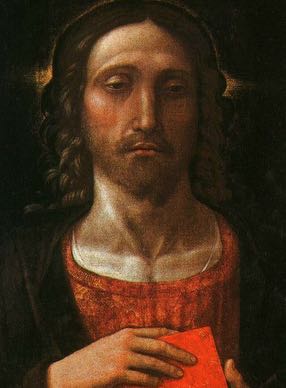
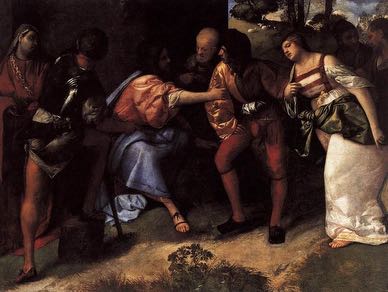
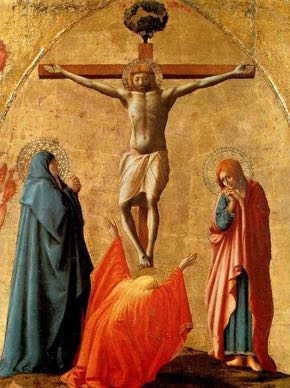
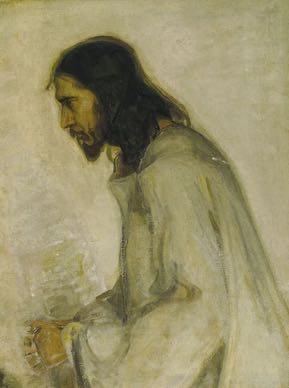
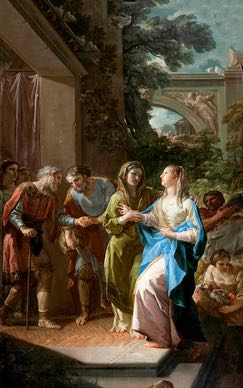
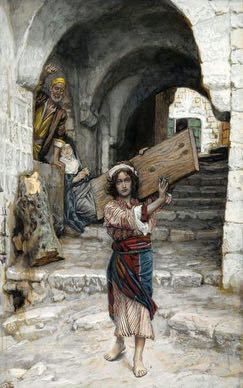
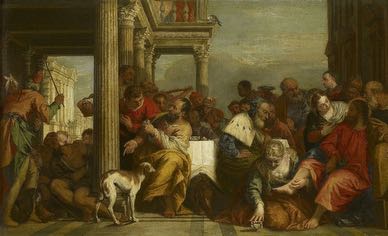
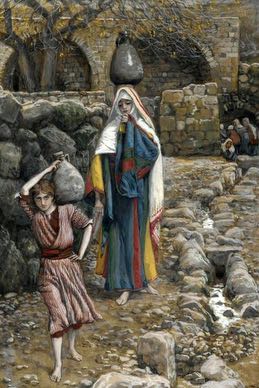
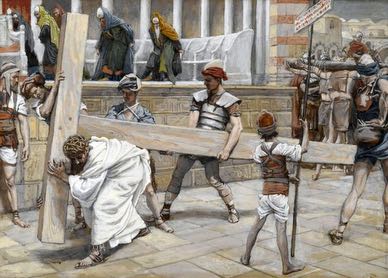
Christianity-themed painting has been a profound medium for exploring the spiritual and doctrinal elements of the Christian faith, offering a visual representation of its core beliefs and sacred stories. This genre encompasses a wide array of artistic expressions that reflect the teachings, life, and significance of Jesus Christ and other central figures in Christianity. From the earliest iconographic depictions to modern artistic interpretations, Christianity-themed painting continues to be a powerful tool for religious reflection and spiritual inspiration.
The roots of Christianity-themed painting can be traced back to the early Christian era when the first artists began to illustrate scenes from the life of Jesus Christ, the Virgin Mary, and the saints. Early Christian art often focused on symbolic representations, such as the Good Shepherd or the fish symbol, which conveyed profound theological meanings to the faithful. As Christianity spread through Europe, the art of depicting Christian events became more elaborate and detailed, with churches and cathedrals serving as grand canvases for these sacred images.
During the Byzantine period, Christian art was characterized by its use of gold leaf, rich colors, and iconographic styles. The depiction of Christ Pantocrator (Ruler of All) and the Virgin Theotokos (Mother of God) in this era emphasized the divine nature of these figures, using formal and stylized representations to convey their spiritual majesty. The art of this period served not only as decoration but as a means of educating and uplifting the faithful, reinforcing the teachings of the Church.
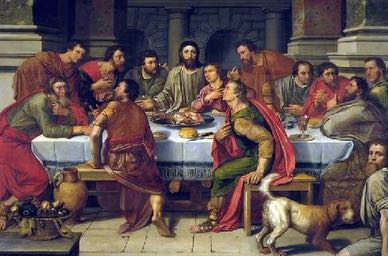
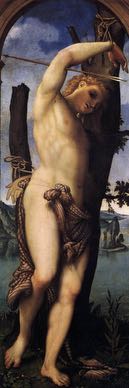
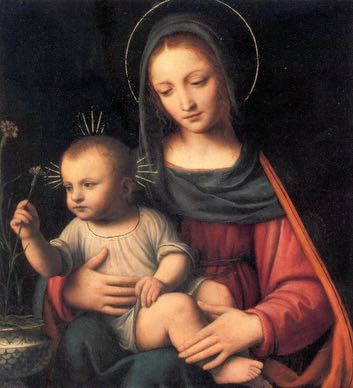
The Renaissance brought a new dimension to Christianity-themed painting, with artists like Leonardo da Vinci, Michelangelo, and Raphael exploring humanism and realism in their portrayals of Christian narratives. Leonardo’s "The Last Supper" and Michelangelo’s frescoes in the Sistine Chapel are prime examples of how Renaissance artists infused their work with intricate detail and emotional depth, highlighting the human aspects of Jesus Christ and the divine mysteries of the Christian faith. These masterpieces reflect a profound engagement with both the spiritual and the material aspects of Christianity.
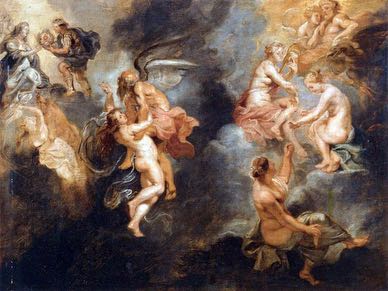
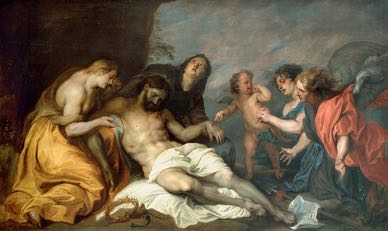
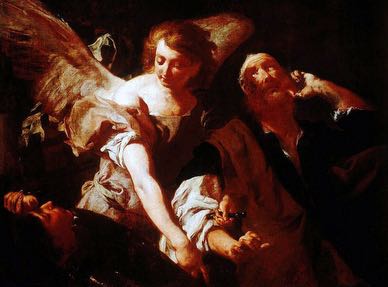
In the Baroque period, artists such as Caravaggio and Rembrandt further deepened the emotional impact of Christianity-themed painting. Caravaggio’s dramatic use of light and shadow brought a sense of immediacy and intensity to his religious scenes, while Rembrandt’s intimate portrayals of Christian stories offered a personal and reflective approach to Christian art. This era’s emphasis on emotional expression and dynamic composition helped viewers connect more deeply with the spiritual and moral lessons of Christianity.
Modern and contemporary Christianity-themed painting has continued to evolve, incorporating new styles and perspectives while addressing contemporary issues and concerns. Artists today explore themes related to social justice, personal faith, and the relevance of Christian teachings in the modern world. This ongoing evolution demonstrates the enduring relevance of Christianity-themed painting as a means of spiritual expression and artistic exploration.
Christianity-themed painting remains a vital and evocative expression of faith, capturing the essence of Christian teachings and the life of Jesus Christ. It serves as a testament to the profound spiritual and artistic heritage of Christianity, inviting viewers to contemplate and engage with the sacred narratives that have shaped the Christian tradition.
Copyright © 2026 BrushWiz. All Rights Reserved.