How Did Dutch Painting Develop?
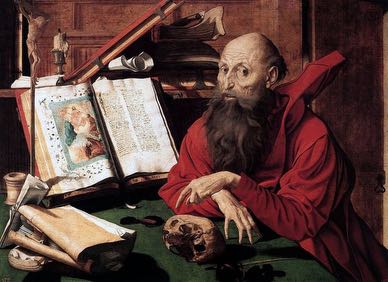
The history of Dutch painting grew from the artistic traditions of the Low Countries, a region that once included territories now divided between the Netherlands, Belgium, and neighboring areas. During the fifteenth and sixteenth centuries, artists throughout this wider region became known for precise observation, carefully rendered surfaces, and increasingly sophisticated oil-painting techniques.
It is important to distinguish Dutch painting from Flemish painting when discussing later periods. After the northern and southern Netherlands followed different political and religious paths, artists working in the Dutch Republic developed markets, subjects, and institutions that differed from those of Flanders. The two traditions continued to influence one another, but they should not be treated as interchangeable national schools.
Why Did Dutch Art Flourish During the Seventeenth Century?
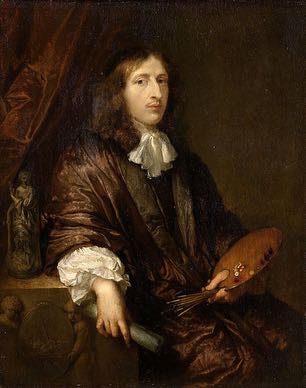
The seventeenth century became the most celebrated period in Dutch art. Growing cities, international trade, scientific interest, and a prosperous merchant class created a large market for paintings. Instead of depending entirely on churches or royal courts, many artists produced works for private homes, civic organizations, professional guilds, and collectors.
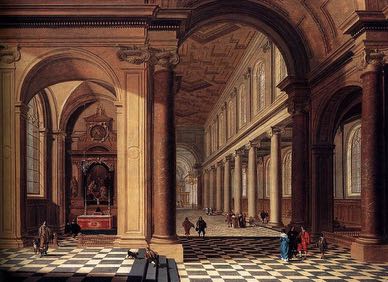
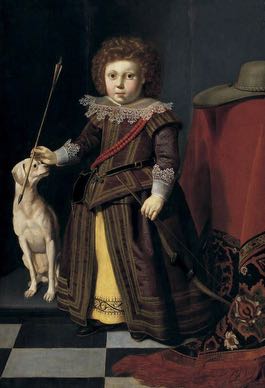
This wider market encouraged specialization. Some painters concentrated on portraits, while others became known for landscapes, ships, flowers, food, architectural views, or scenes of everyday life. The resulting variety helped establish seventeenth-century Dutch painting as one of the richest and most recognizable traditions in European art.
Rembrandt, Frans Hals, and Dutch Portraiture
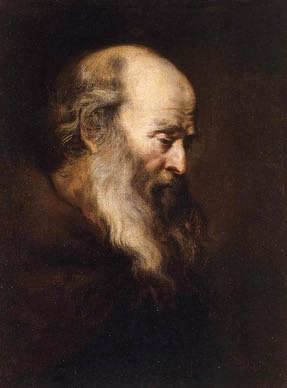
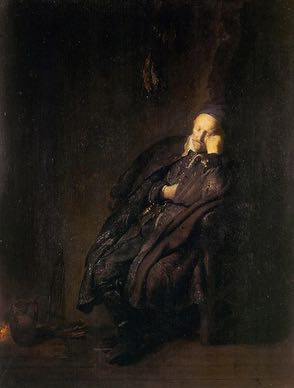
Rembrandt brought psychological depth, dramatic lighting, and narrative complexity to portraiture and history painting. In works such as The Anatomy Lesson of Dr. Nicolaes Tulp, individual likenesses become part of a carefully organized group scene. His self-portraits also created an unusually detailed record of an artist examining his appearance over time.
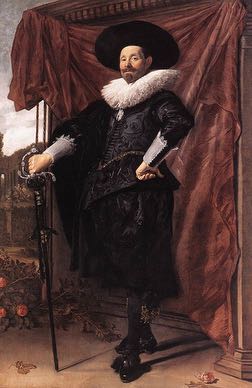
Frans Hals developed a different kind of portraiture. His rapid-looking brushwork, direct expressions, and animated poses often make his subjects appear caught in a living moment. Judith Leyster, another important Haarlem painter, produced portraits, musicians, and lively genre scenes distinguished by expressive figures and assured handling of paint.
Vermeer and the Art of the Dutch Interior
Johannes Vermeer became celebrated for quiet interior scenes shaped by controlled light, carefully arranged objects, and subtle relationships between figures and space. Paintings such as The Milkmaid transform an ordinary activity into a concentrated study of color, texture, and illumination.
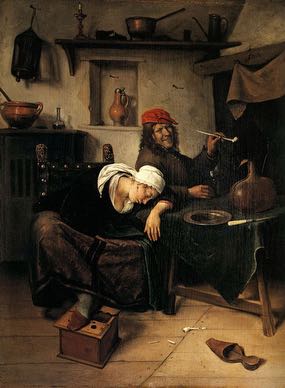
Pieter de Hooch also explored domestic life, often arranging rooms, courtyards, and doorways to create a strong sense of spatial depth. Jan Steen approached everyday life with greater humor and disorder, filling interiors with expressive characters, celebrations, family interactions, and moral observations.
Landscapes, Waterways, and the Dutch Environment
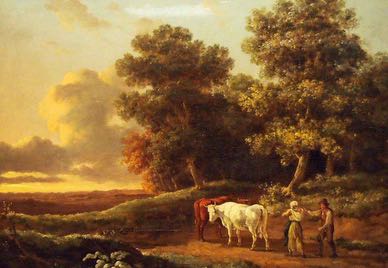
Dutch artists helped establish landscape painting as an independent and widely collected genre. Jacob van Ruisdael used changing skies, trees, dunes, rivers, and distant towns to give familiar scenery a sense of grandeur. His View of Haarlem With Bleaching Grounds combines a broad sky with an expansive view of the countryside.
Meindert Hobbema became known for wooded roads, watermills, and village landscapes, while Aelbert Cuyp used warm light to shape river views and pastoral scenes. Dutch painters also documented canals, harbors, coastlines, merchant vessels, and naval activity, making marine painting another major national specialty.
Still Life, Flowers, and the Meaning of Objects
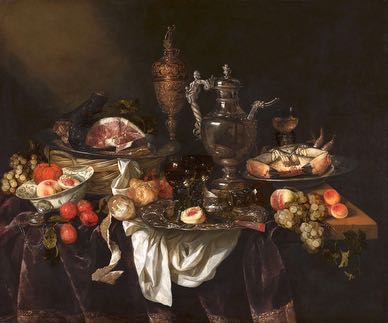
Dutch still-life painters transformed flowers, food, glassware, silver, books, shells, and household objects into complex arrangements. These paintings demonstrated extraordinary control of surface, reflection, transparency, and natural detail. Some celebrated prosperity and beauty, while others reminded viewers that pleasure, wealth, and life itself are temporary.
Rachel Ruysch became one of the most distinguished flower painters of her time. Her arrangements combine botanical observation with compositions that feel abundant and carefully balanced. Other specialists created breakfast pieces, banquet scenes, hunting still lifes, and vanitas paintings containing symbols of time, mortality, and change.
How Did Dutch Painting Change After the Golden Age?
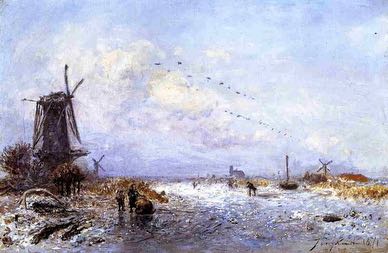
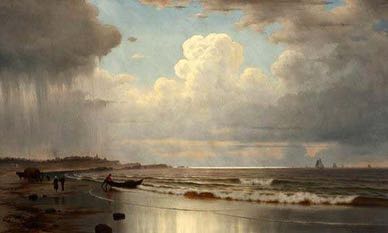
The influence of seventeenth-century Dutch art continued long after the Golden Age. During the nineteenth century, painters associated with the Hague School returned to the Dutch countryside, fishing communities, working life, and changing weather. Their restrained palettes and atmospheric handling reflected both the older landscape tradition and newer approaches to direct observation.
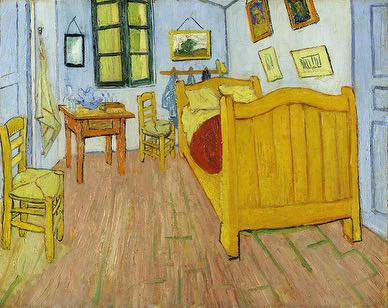
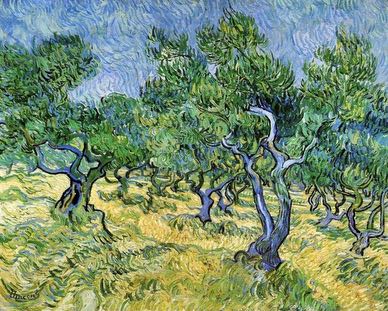
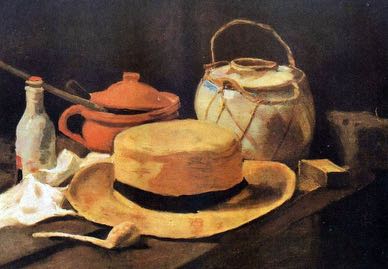
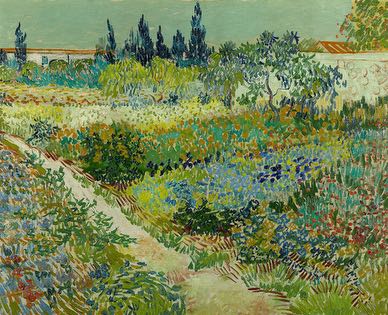
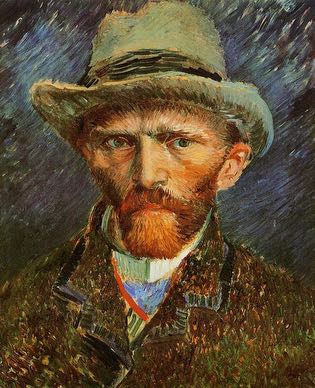
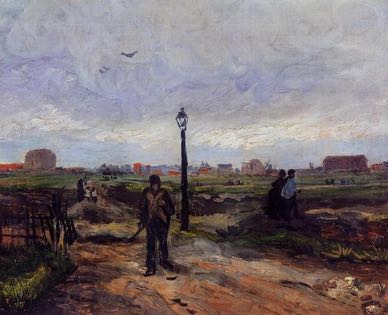
Vincent van Gogh began by painting rural laborers and the landscape of the Netherlands before encountering modern French art. His later Post-Impressionist paintings used heightened color and expressive brushwork, bringing Dutch art into a radically different visual language while retaining his interest in people, nature, and ordinary surroundings.
Mondrian, De Stijl, and Modern Dutch Abstraction
Dutch artists also played a major role in the development of modern abstract art. Piet Mondrian gradually moved from observed landscapes toward simplified arrangements of vertical and horizontal lines, primary colors, black, white, and gray. His work became closely associated with De Stijl and Neoplasticism.
De Stijl artists sought clarity and visual order through reduced forms and carefully controlled relationships between color and space. This approach influenced painting, architecture, furniture, graphic design, and later forms of modernism. It also demonstrates how Dutch art extended beyond the realism of the Golden Age and contributed directly to the international development of abstraction.
Which Paintings Represent the Range of Dutch Art?
These works show how Dutch painters approached portraiture, domestic life, animals, landscapes, winter scenes, and abstraction:
- The Night Watch by Rembrandt: A civic guard portrait becomes a monumental scene shaped by movement, dramatic light, and individual character.
- The Starry Night by Vincent van Gogh: A turbulent night sky, expressive color, and rhythmic brushwork demonstrate the transformation of Dutch painting in the modern era.
- The Milkmaid by Johannes Vermeer: A domestic activity becomes a carefully balanced study of light, color, and stillness.
- The Anatomy Lesson of Dr. Nicolaes Tulp by Rembrandt: A civic group portrait is transformed into a dramatic intellectual gathering.
- The Goldfinch by Carel Fabritius: A small bird is presented with remarkable simplicity, light, and presence.
- View of Haarlem With Bleaching Grounds by Jacob van Ruisdael: An expansive sky gives scale and atmosphere to the Dutch countryside.
- Winter Landscape With Skaters by Hendrick Avercamp: Numerous figures animate a frozen landscape filled with seasonal activity.
- The Threatened Swan by Jan Asselijn: The defensive bird combines close animal observation with dramatic movement.
- Composition No. III by Piet Mondrian: Reduced lines and colors demonstrate the new abstract language of modern Dutch art.
Why Does Dutch Art Remain So Influential?
Dutch painters repeatedly expanded the importance of subjects once considered ordinary. A quiet room, familiar face, cloudy landscape, vase of flowers, frozen canal, or arrangement of colored lines could become the foundation of a major artwork. Their attention to observation and composition influenced later developments in realism, landscape painting, portraiture, still life, modern color, and abstraction.
The breadth of the tradition also gives collectors many ways to enjoy Dutch art. A Rembrandt portrait can introduce warmth and gravity, a Vermeer interior can create calm, a Ruisdael landscape can open a room visually, and a Mondrian composition can complement a modern space. Hand-painted reproductions allow these different periods and artistic approaches to be experienced through real oil paint on canvas.
Copyright © 2026 BrushWiz. All Rights Reserved.