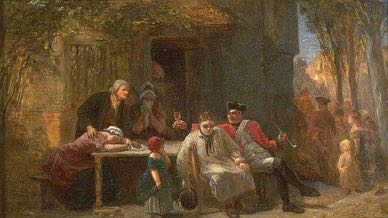
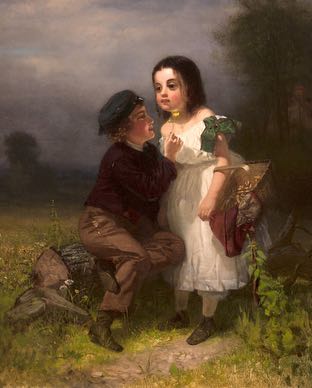
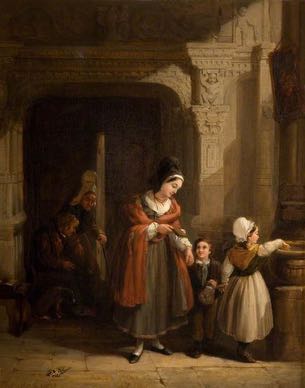
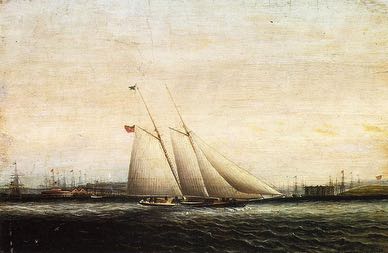
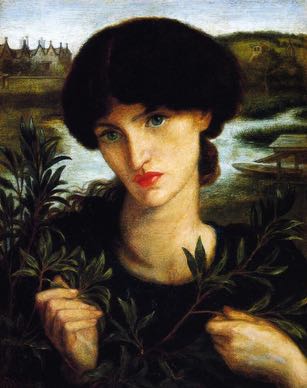
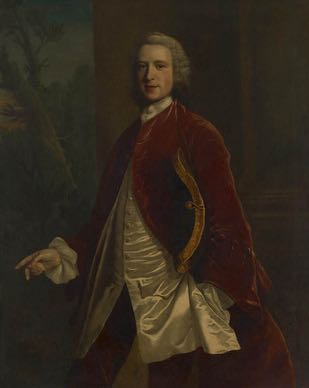
In the annals of English art, the medieval period serves as a genesis, where intricate manuscripts adorned with vibrant illuminations reflected the spiritual and cultural landscape of the time. Though painting in this era was primarily religious in nature, the meticulous craftsmanship and attention to detail laid the foundation for centuries of artistic expression to come.
As the Middle Ages gave way to the Renaissance, English painting embraced the burgeoning humanist ideals sweeping across Europe. Influenced by the works of Italian masters such as Leonardo da Vinci and Michelangelo, English artists began to explore new techniques and subject matter, ushering in an era of artistic innovation and exploration.
The Tudor period witnessed the rise of portraiture as a dominant genre in English painting, with artists like Hans Holbein the Younger capturing the likenesses of England's ruling elite with exquisite precision and detail. These portraits not only served as testaments to the wealth and power of their subjects but also as reflections of the burgeoning national identity taking root in England.
The 17th century brought about a golden age of English painting, as the Baroque style swept across the nation. Artists such as Anthony van Dyck and Peter Lely excelled in portraiture, while others, like William Dobson, embraced historical and mythological subjects with equal aplomb. The lush colors, dynamic compositions, and emotional intensity of Baroque painting reflected the tumultuous political and social landscape of the time.
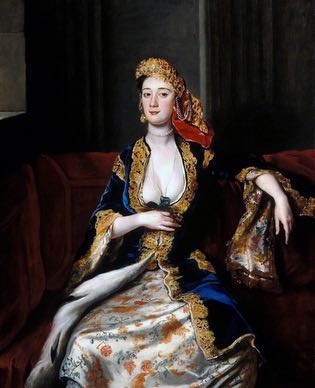
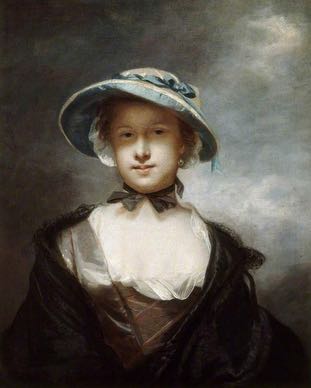
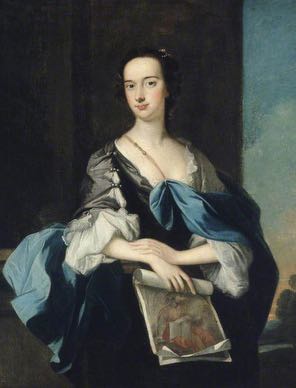
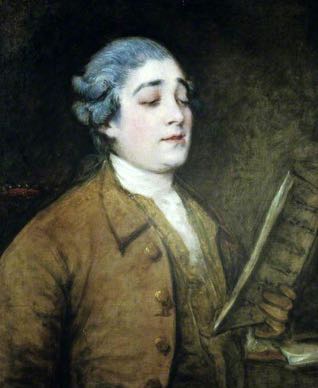
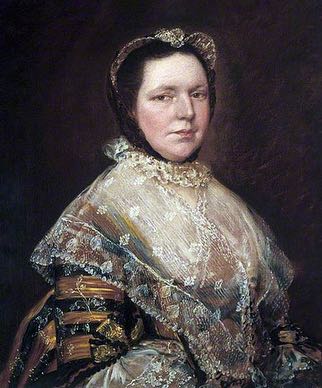
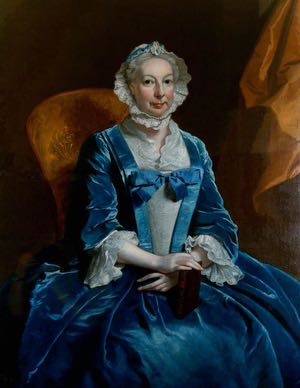
The 18th century saw the rise of the Rococo style in English painting, characterized by its ornate decoration, whimsical themes, and delicate brushwork. Artists like Thomas Gainsborough and Joshua Reynolds epitomized the elegance and refinement of the period, producing portraits and landscapes that captured the genteel spirit of Georgian England.
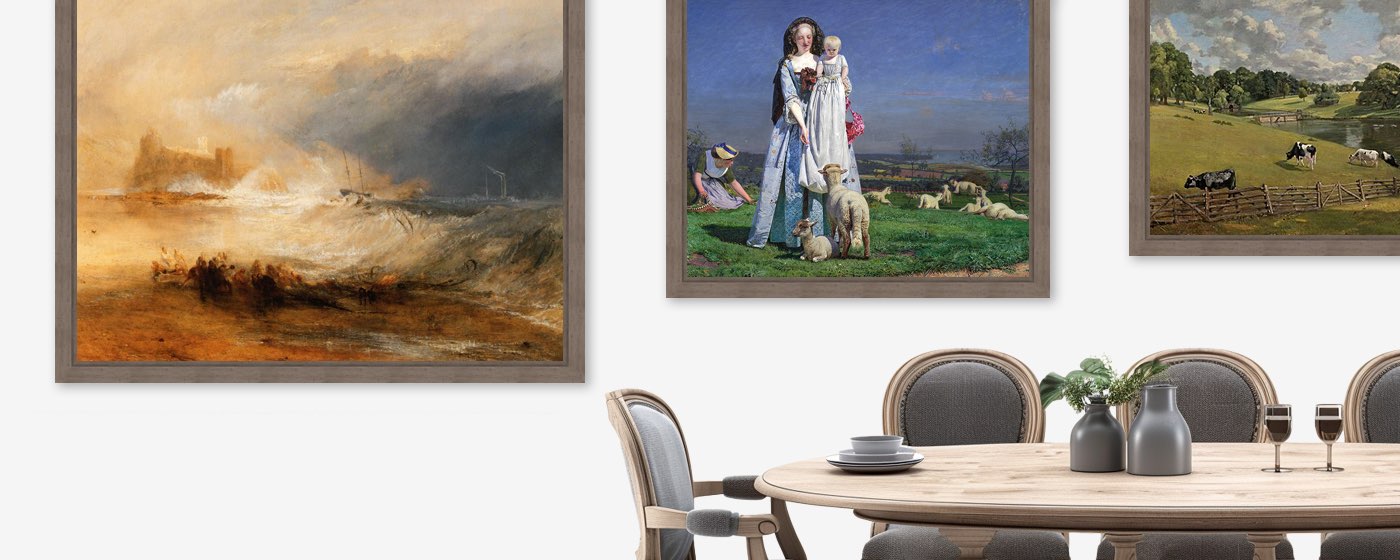
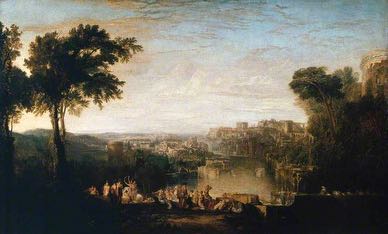
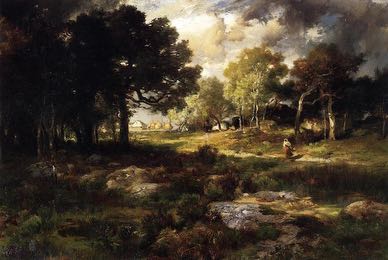
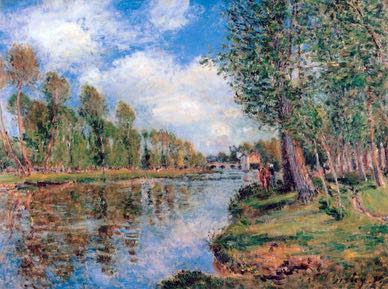
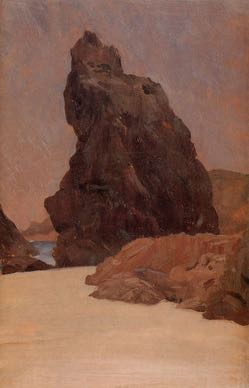
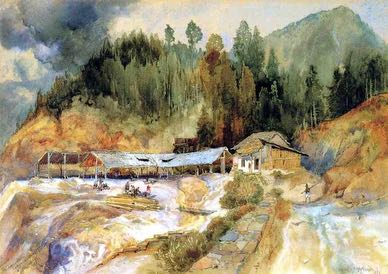
The 19th century witnessed a resurgence of interest in English landscape painting, as artists like John Constable and J.M.W. Turner sought to capture the beauty and grandeur of the English countryside. Their evocative depictions of nature, characterized by bold brushwork and dramatic compositions, helped to define the Romantic movement in English art.
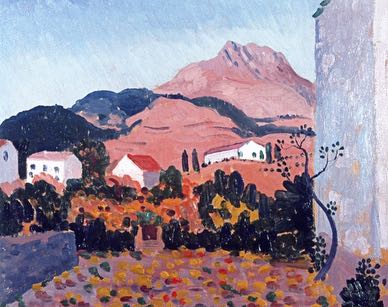
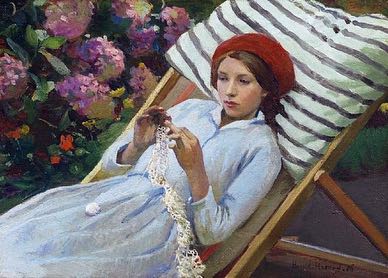
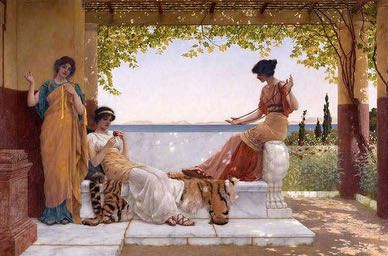
As the 20th century dawned, English painting entered a new era of experimentation and innovation. From the vibrant colors and bold forms of the Bloomsbury Group to the stark realism of the Kitchen Sink painters, English artists embraced a wide range of styles and approaches, reflecting the ever-changing nature of modern life.
Today, English painting continues to evolve and adapt, as contemporary artists draw inspiration from the rich legacy of the past while forging new paths forward. From the traditional landscapes of the English countryside to the vibrant street art of London's urban landscape, the history of English art is a testament to the enduring power of creativity and imagination.
Copyright © 2026 BrushWiz. All Rights Reserved.