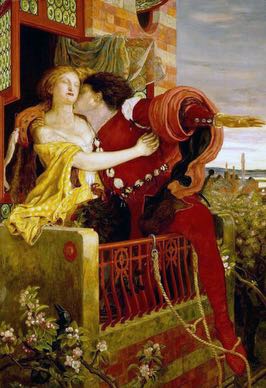
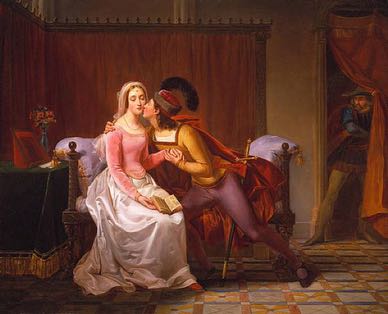
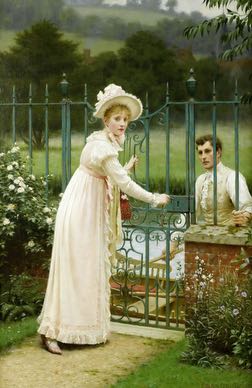
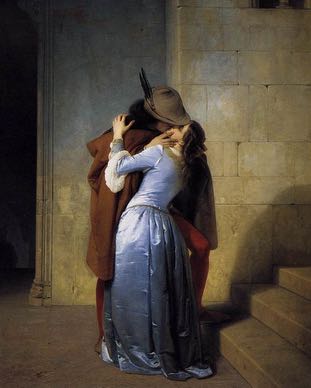
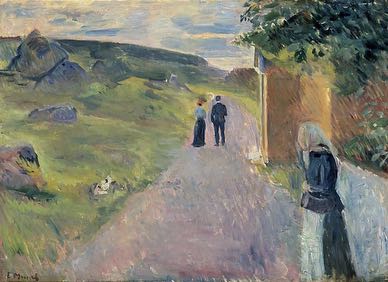
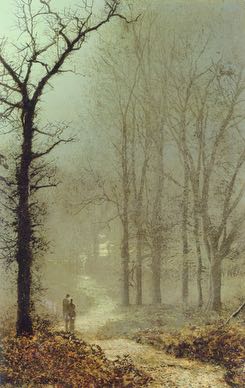
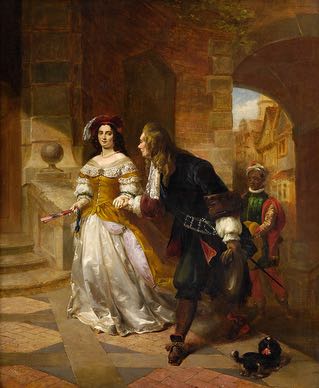
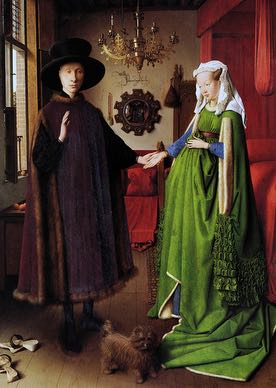
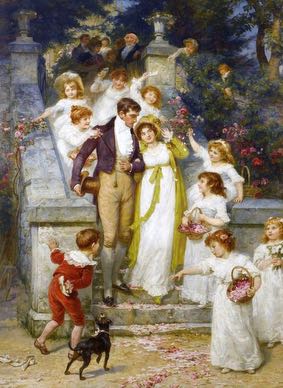
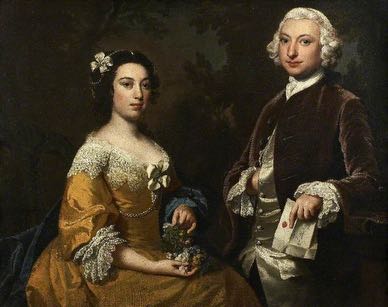
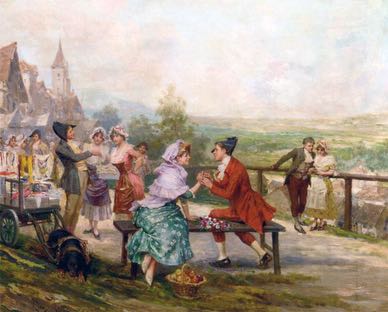
The tradition of depicting couples in art dates back to ancient civilizations, where love and partnership were often represented in idealized and symbolic forms. In ancient Egyptian art, couples were frequently shown together in scenes that emphasized harmony and unity, reflecting their roles within the family and society. Similarly, Greek and Roman art celebrated romantic and marital bonds through mythological and everyday scenes, often portraying couples in moments of affection and shared activities.
During the Renaissance, couples painting took on a new level of sophistication with artists such as Sandro Botticelli and Raphael exploring the themes of love and devotion in their works. Botticelli’s "The Birth of Venus," while primarily focused on the goddess of love, also reflects the Renaissance fascination with idealized beauty and romantic themes. Raphael’s portraits of couples, including "The Madonna of the Goldfinch," convey tenderness and emotional depth, highlighting the personal connections between the figures.
In the 17th century, the Baroque period brought a dramatic and dynamic quality to couples painting. Artists like Peter Paul Rubens and Nicolas Poussin depicted couples with an emphasis on sensuality, emotion, and theatricality. Rubens, known for his voluptuous and exuberant style, often portrayed couples in lush, romantic settings. His paintings, such as "The Garden of Love," capture the opulence and passion of romantic relationships, using vibrant colors and dramatic compositions to convey the intensity of emotions. Poussin’s more restrained approach, seen in works like "The Triumph of Pan," integrated couples into allegorical or mythological contexts, exploring themes of love through balanced and harmonious compositions.
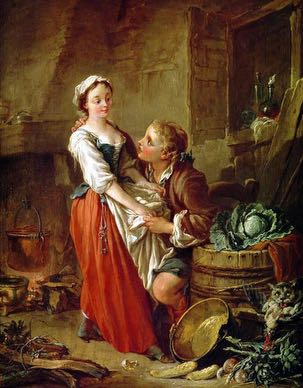
The 18th century introduced a lighter and more playful approach with the Rococo movement. Artists like Francois Boucher and Jean-Honore Fragonard brought a sense of frivolity and charm to their depictions of love and romance. Boucher’s paintings, such as "The Blonde Odalisque," are characterized by their sensuality and decorative elegance, while Fragonard’s "The Swing" exemplifies the Rococo style’s playful and flirtatious nature. His use of soft colors and whimsical compositions creates an atmosphere of carefree romance, reflecting the social and cultural attitudes of the time.
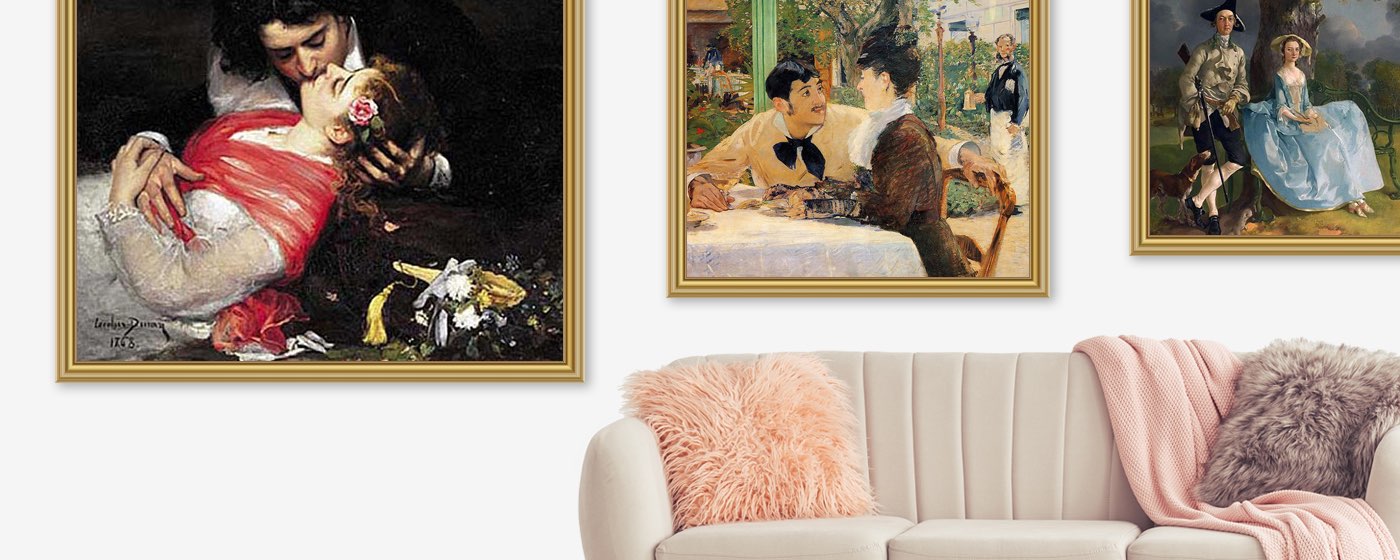
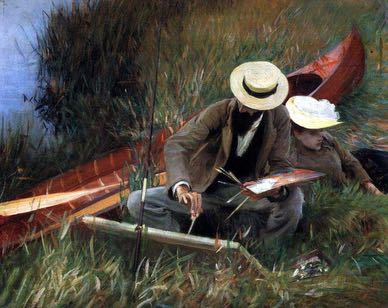
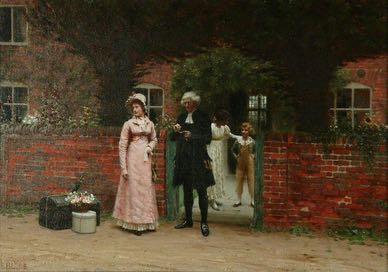
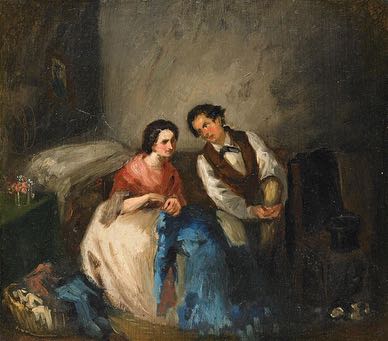
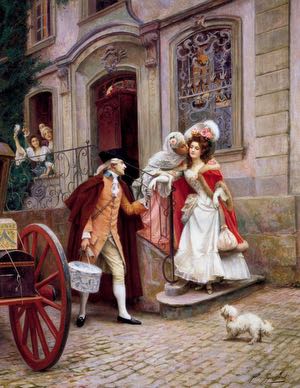
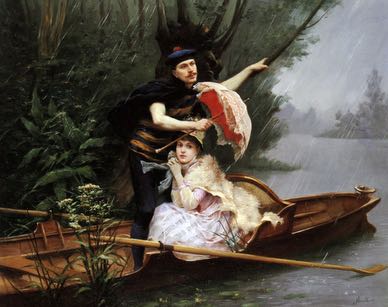
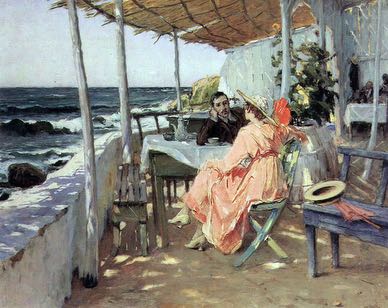
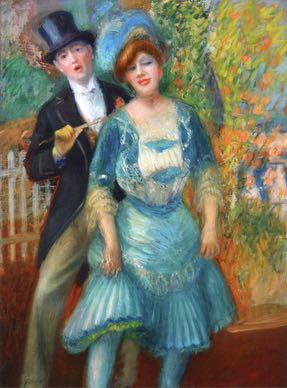
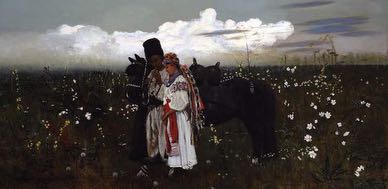
The 19th and early 20th centuries saw further evolution in couples painting with the rise of Romanticism and Impressionism. Romantic artists like Gustave Courbet and Jean-François Millet depicted couples in more intimate and personal settings, capturing the emotional and everyday aspects of their relationships. Courbet’s "The Meeting" and Millet’s "The Gleaners" offer insights into the lives and bonds of couples, emphasizing their shared experiences and emotional connections. Impressionist artists such as Pierre-Auguste Renoir also explored romantic themes, using vibrant colors and loose brushwork to depict the joy and spontaneity of couple interactions in settings such as parks and cafes.
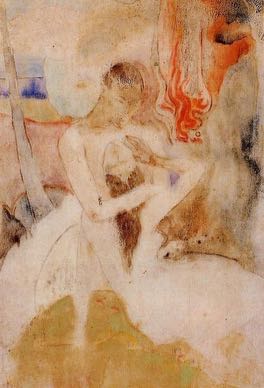
In contemporary art, couples painting continues to evolve, with modern artists exploring a range of styles and themes. Contemporary works often address issues of identity, gender, and modern relationship dynamics, reflecting the diversity and complexity of romantic partnerships today. Artists use various mediums, from traditional painting to digital art, to portray couples in ways that resonate with current social and cultural contexts. This contemporary approach allows for a richer and more nuanced exploration of love and connection, reflecting the varied experiences and expressions of couples in the modern world.
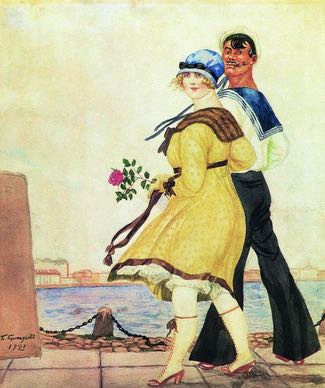
Couples painting remains a cherished genre for its ability to capture the essence of romantic relationships and the intimate moments shared between partners. Whether through classical idealization or modern realism, couples painting offers a window into the emotional depth and beauty of human connections. It serves as a celebration of love, partnership, and the enduring significance of shared experiences in the tapestry of life.
Copyright © 2026 BrushWiz. All Rights Reserved.