In ancient civilizations, art often celebrated athletic prowess and physical feats. Ancient Greek pottery frequently depicted scenes from the Olympic Games, illustrating events such as wrestling, chariot racing, and the pentathlon. These artworks were not only decorative but also served to commemorate and honor the athletes and the values of physical excellence and competition central to Greek culture.
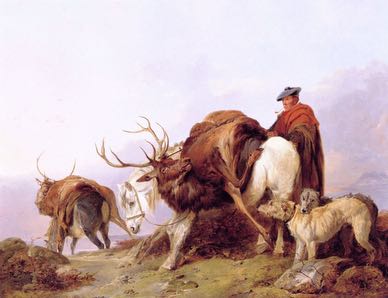
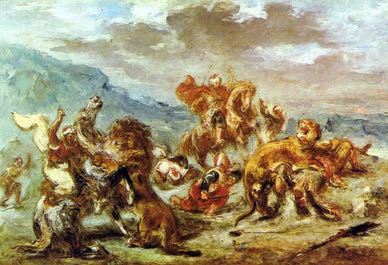
During the medieval period, sports painting was less prominent, with artistic focus shifting to religious and historical themes. However, illuminated manuscripts and tapestries occasionally featured scenes of jousting, hunting, and other activities enjoyed by the nobility. These depictions provided a glimpse into the leisure pursuits of the elite and reflected the significance of these activities in medieval society.
The Renaissance period saw a renewed interest in depicting human figures and physical movement with greater accuracy and detail. Artists studied the anatomy of athletes and incorporated dynamic poses into their works, enhancing the realism and vitality of their subjects. While direct depictions of sports were rare, the Renaissance emphasis on human physicality and movement laid the groundwork for future developments in sports painting.
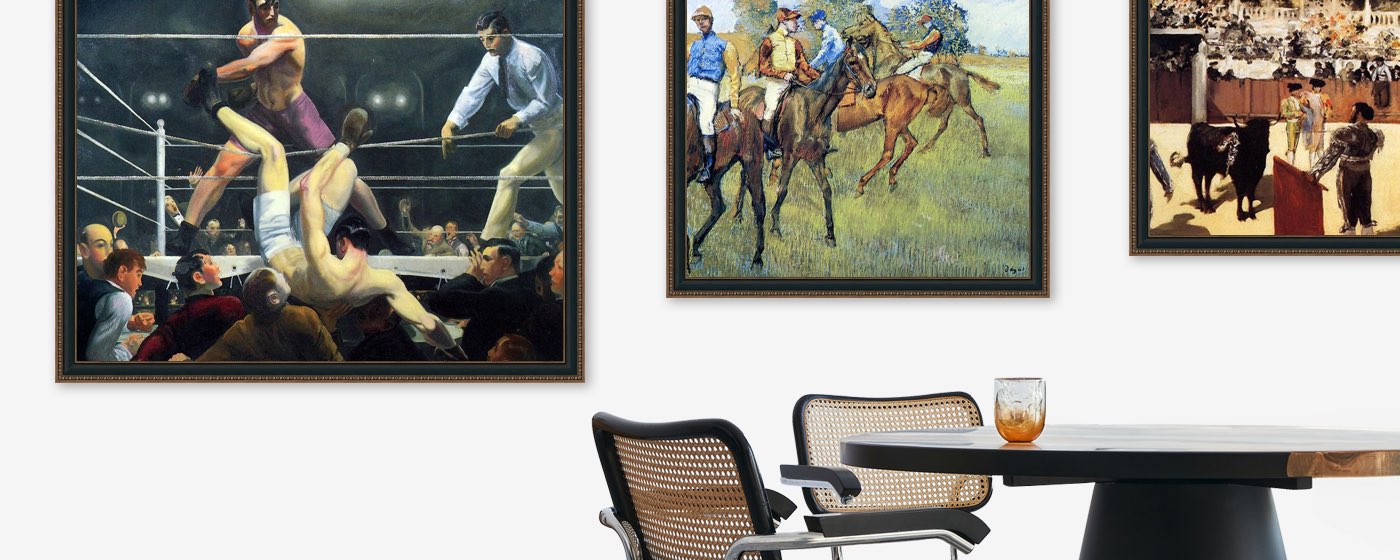
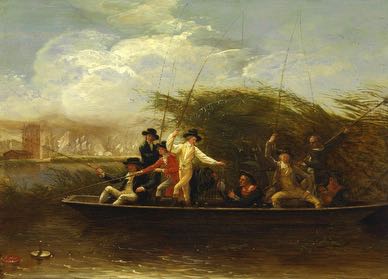
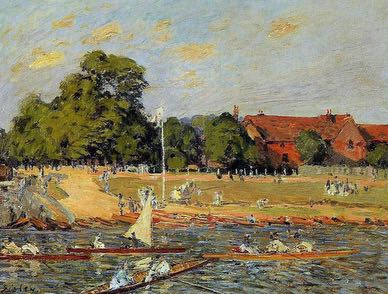
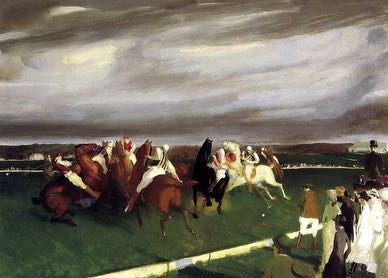
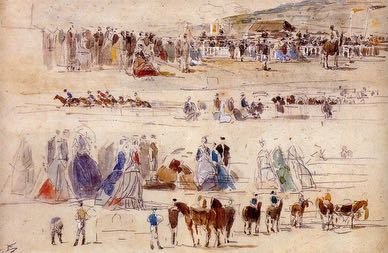
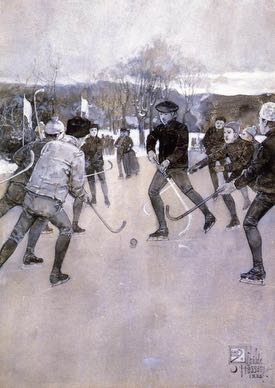
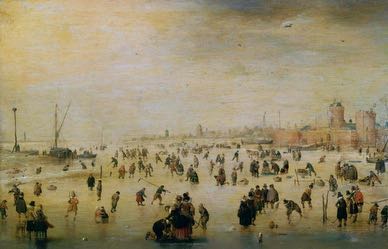
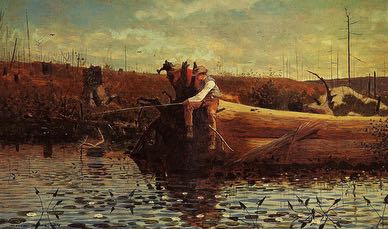
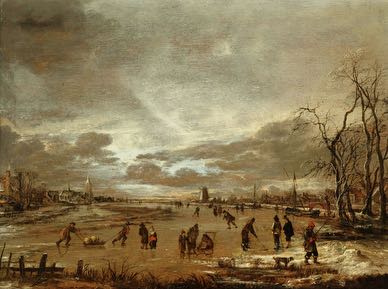
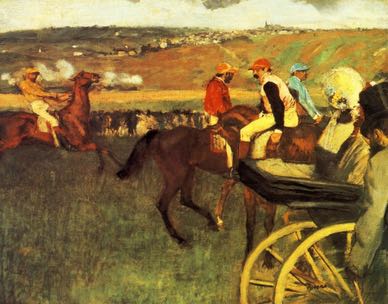
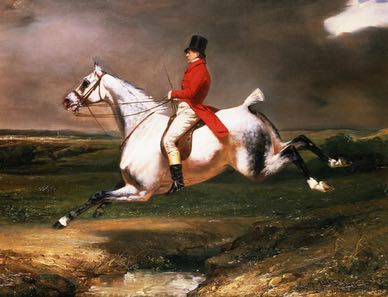
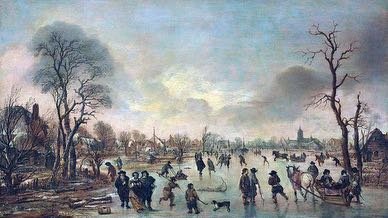
The 19th century marked a significant evolution in sports painting, coinciding with the rise of organized sports and a growing public interest in athletic competition. Artists began to focus more directly on the depiction of sports and physical activities, capturing moments of action and drama with increased realism and detail. This period saw the emergence of works that celebrated both individual athletic achievements and the collective excitement of sporting events.
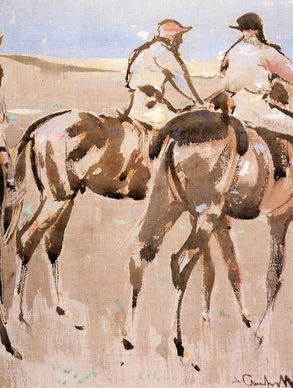
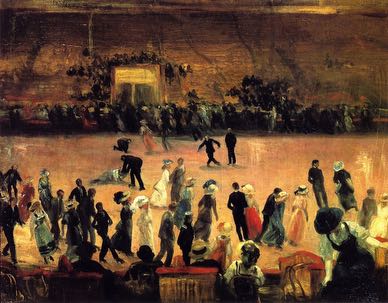
The 20th century brought a further evolution in sports painting, influenced by modernist movements and new artistic techniques. Artists explored abstract and impressionistic approaches to depict the energy and movement of sports, capturing the essence of athletic performance rather than literal representations. The advent of photography and film also transformed how sports were portrayed, providing artists with new tools and perspectives for capturing the dynamism of athletic competition.
In contemporary times, sports painting continues to thrive as a genre, with artists exploring a wide range of styles and themes. The genre now encompasses various forms, from realistic portraits of athletes to abstract representations of sports movements and emotions. Modern sports painting often reflects broader cultural and social themes, including issues of identity, gender, and nationalism, highlighting the complex interplay between sports and society.
The legacy of sports painting lies in its ability to capture the excitement, struggle, and triumph of athletic endeavors. It serves as a powerful medium for celebrating human physicality, skill, and competition, offering a visual narrative of the values and experiences associated with sports. Whether through historical depictions of ancient games or contemporary explorations of sports culture, sports painting remains a vibrant and significant genre in the artistic tradition.
Throughout its history, sports painting has reflected the evolving nature of athletic competition and its cultural impact. As artists continue to explore and reinterpret the world of sports, the genre will undoubtedly continue to evolve, offering new perspectives on the enduring appeal and significance of athletic achievement.
Copyright © 2026 BrushWiz. All Rights Reserved.