The roots of French painting can be traced back to the dimly lit halls of the Middle Ages, where illuminated manuscripts and sublime religious frescoes adorned the sacred precincts of churches and cathedrals across the verdant expanse of the French countryside. However, it was during the ebullient efflorescence of the Renaissance that French artists truly came into their own, drawing profound inspiration from their illustrious Italian counterparts while infusing their masterworks with a distinctive national character that spoke to the essence of French identity.
The 17th century bore witness to the emergence of Baroque art in France, characterized by its sumptuously dramatic lighting, opulent palette of rich colors, and fervent emotional intensity that reverberated throughout the tumultuous socio-political landscape of the age. Visionaries like Nicolas Poussin and Georges de La Tour strode boldly at the vanguard of this epochal movement, crafting exquisite masterpieces that served as poignant reflections of the profound religious and political upheavals of their time.
The 18th century ushered in a veritable renaissance of French painting, marked by the advent of Rococo, a style renowned for its extravagant ornamentation, whimsically playful themes, and exquisitely delicate brushwork that danced effortlessly across the canvas. Pioneers such as Jean-Antoine Watteau and François Boucher skillfully captured the refined elegance and genteel sophistication of French high society, immortalizing enchanting scenes of courtly revelry and amorous dalliance for posterity to behold.
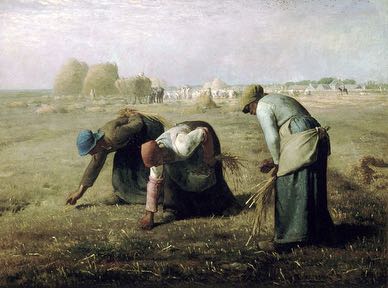
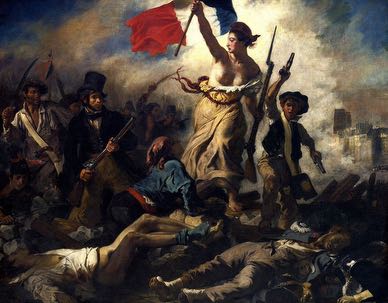
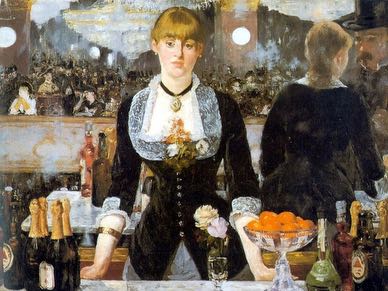
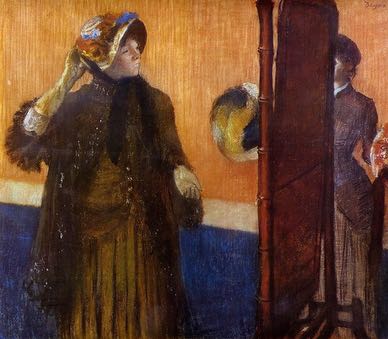
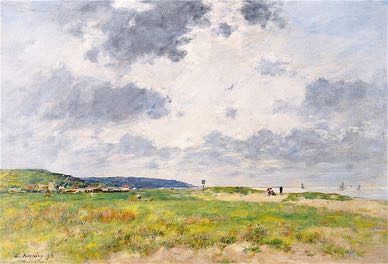
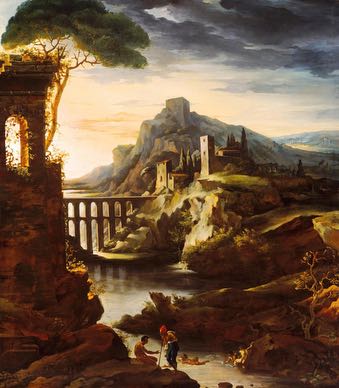
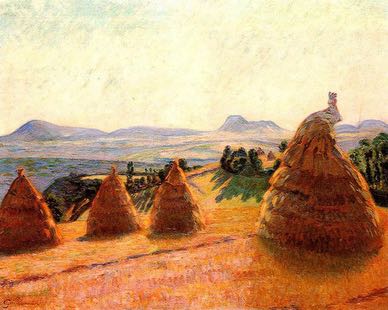
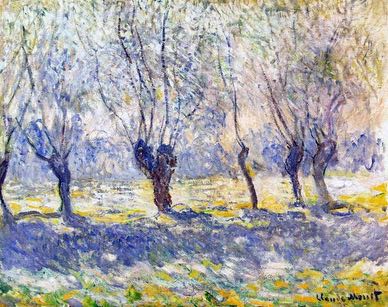
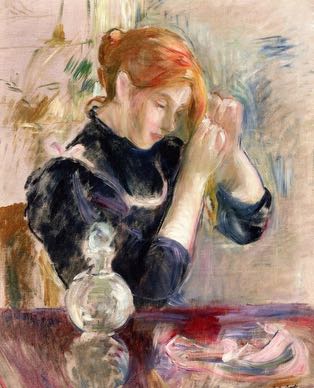
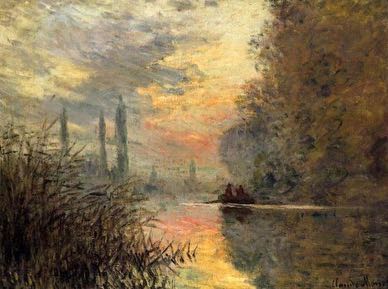
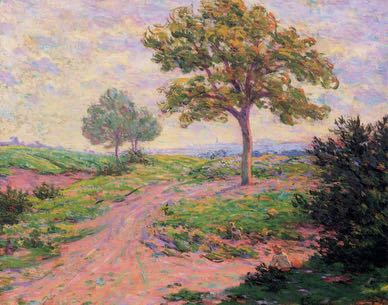
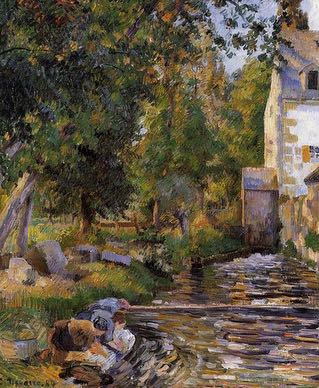
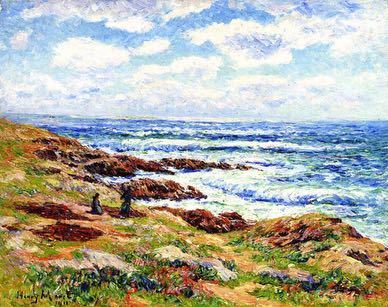
The 19th century heralded yet another seismic shift in the trajectory of French art, as the Romantic movement swept across the cultural landscape like a tempest, driven by a fervent desire to evoke powerful emotions and ignite the flames of imagination. Visionaries like Eugène Delacroix embarked on epic odysseys of artistic exploration, wielding their brushes like swords to wage battles against the constraints of tradition and convention. Meanwhile, the advent of Impressionism heralded a new era of artistic enlightenment, as luminaries like Claude Monet and Edgar Degas pioneered revolutionary techniques for capturing the ephemeral essence of light, color, and movement with unparalleled grace and finesse.
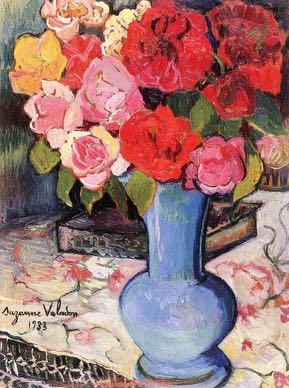
The dawn of the 20th century witnessed the continued evolution of French painting, as the avant-garde movements of Cubism, Surrealism, and Fauvism shattered the ossified shackles of artistic convention, unleashing torrents of creative energy and innovation upon an unsuspecting world. Icons like Pablo Picasso, Henri Matisse, and Salvador Dalí blazed trails of artistic discovery, forging bold new frontiers of expression and pushing the boundaries of traditional painting to their breaking point.
Today, French painting remains as vibrant and vital as ever, with contemporary artists carrying forth the torch of artistic innovation and exploration into uncharted territories of the human imagination. From the hallowed halls of the Louvre to the bustling galleries of Paris, the legacy of French painting endures as a timeless testament to the enduring power of human creativity, captivating and inspiring art lovers around the globe with its boundless beauty and profound depth of expression.
Copyright © 2026 BrushWiz. All Rights Reserved.