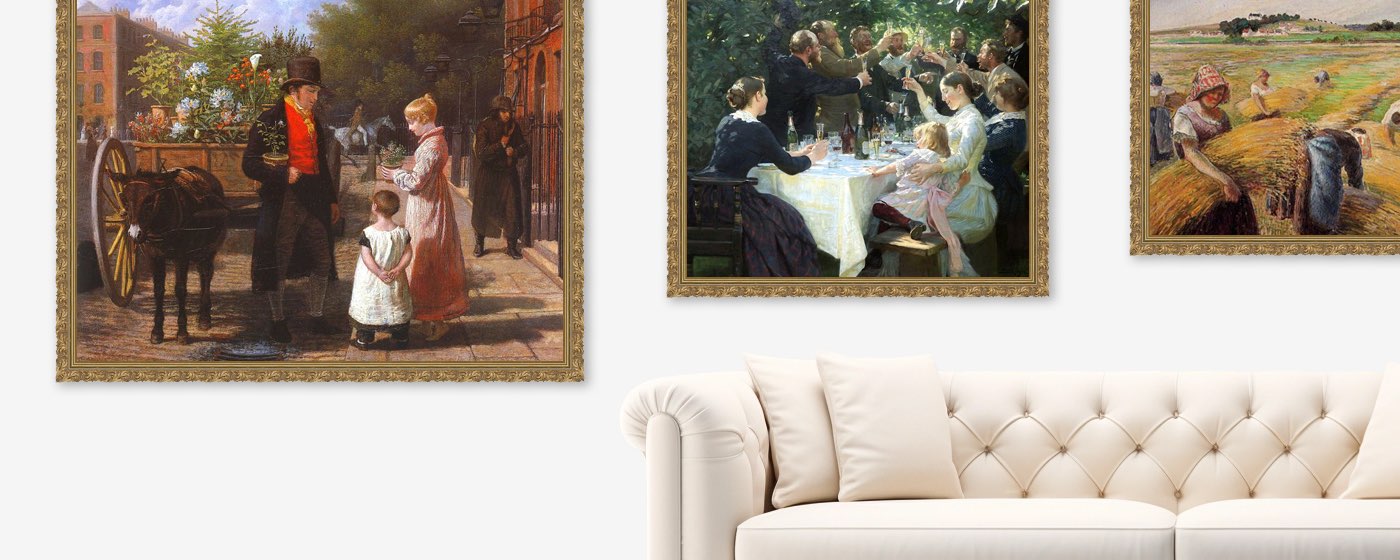
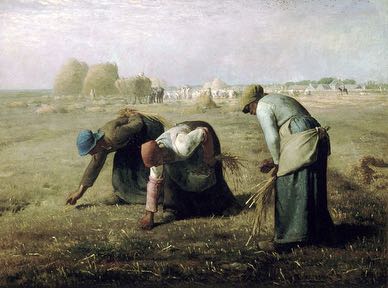
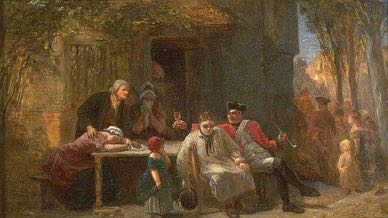
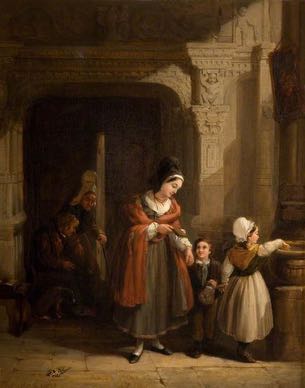
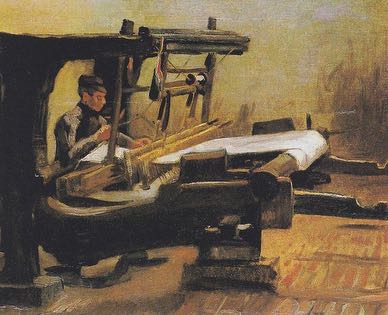
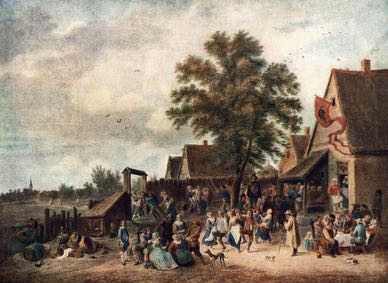
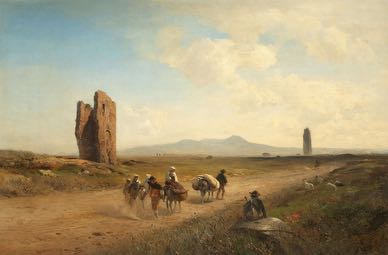
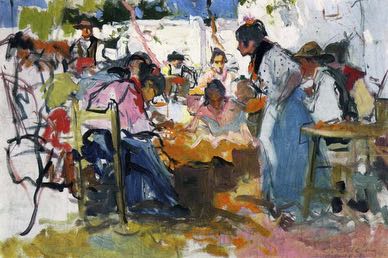
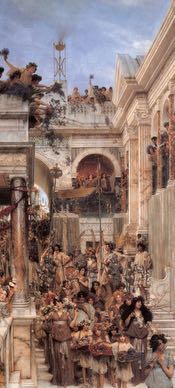
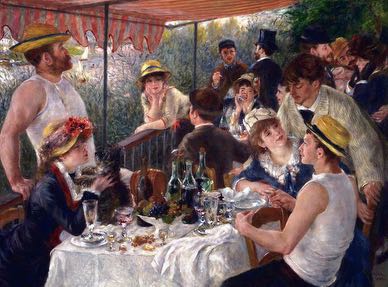
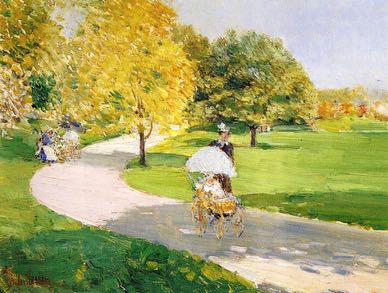
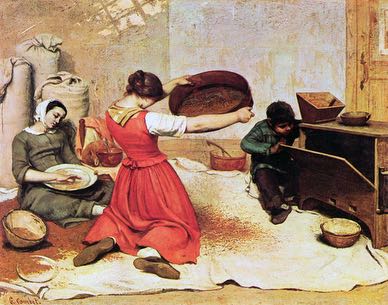
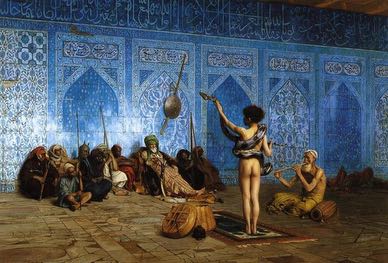
The tradition of depicting everyday life in art dates back to ancient civilizations, where scenes of daily activities were often integrated into larger narratives or religious contexts. In ancient Egyptian art, for example, murals and carvings illustrated various aspects of daily life, including agricultural work, domestic chores, and social gatherings. These depictions not only provide historical insights but also reflect the importance of daily activities in the context of societal roles and beliefs.
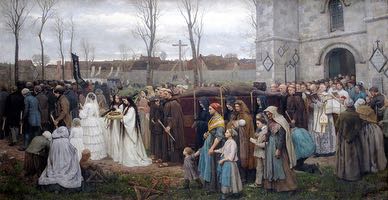
During the Middle Ages, everyday life was often portrayed within religious or allegorical frameworks. Artists depicted scenes of labor and domestic life in illuminated manuscripts and frescoes, integrating these elements into broader religious narratives. This period highlighted the significance of work and daily activities in the context of spiritual and moral lessons, illustrating the value of everyday tasks within the framework of faith and devotion.
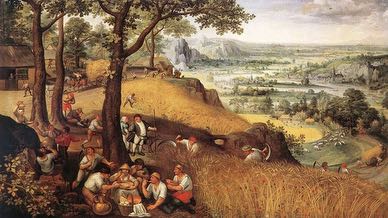
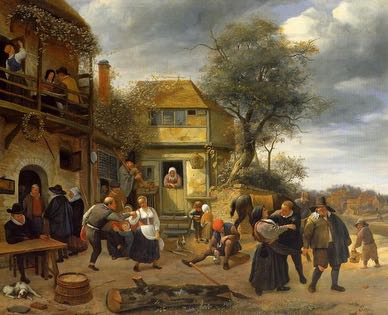
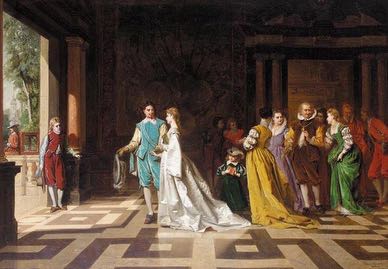
The Renaissance marked a significant shift with artists beginning to focus more on realistic portrayals of everyday life. The period saw the rise of genre painting, where artists like Pieter Bruegel the Elder captured scenes of peasant life, festivals, and domestic activities with remarkable detail and authenticity. Bruegel’s work reflected the rhythms of rural life, offering a vivid portrayal of the joys and struggles of ordinary people.
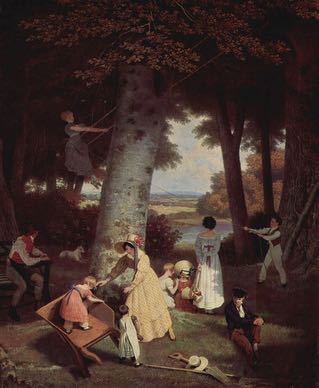
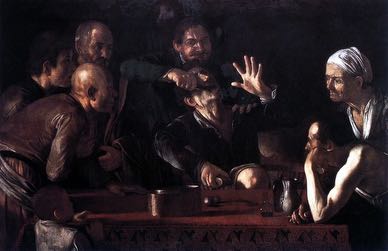
In the 17th and 18th centuries, the depiction of everyday life continued to evolve with the development of genre painting and the rise of social realism. Artists such as Jean-Baptiste-Simeon Chardin and Georges de La Tour focused on domestic scenes, portraying simple and intimate moments with a sense of warmth and familiarity. Chardin’s still lifes and genre scenes emphasized the beauty and significance of everyday objects and activities, while La Tour’s works captured the quiet, contemplative aspects of daily life.
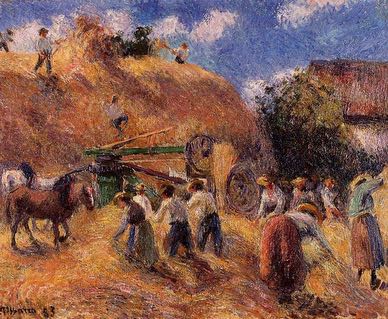
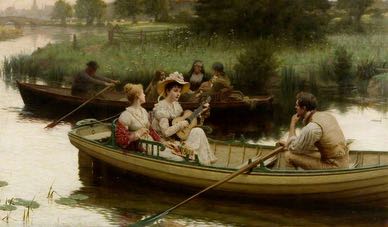
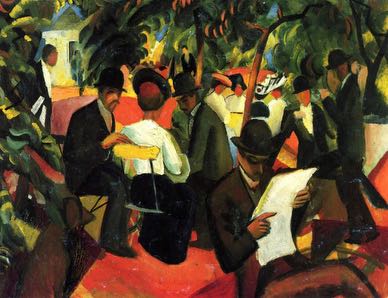
The 19th century brought further innovation with the advent of the Impressionist movement, which focused on capturing the fleeting moments of everyday life with vibrant colors and loose brushwork. Artists like Claude Monet and Edgar Degas depicted scenes of leisure, such as cafes, parks, and family gatherings, with an emphasis on light, movement, and atmosphere. Their work highlighted the beauty and transience of everyday moments, offering a fresh perspective on ordinary life.
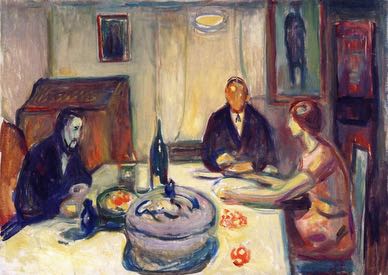
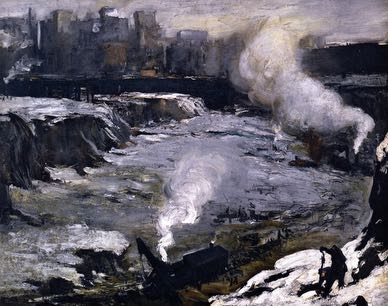
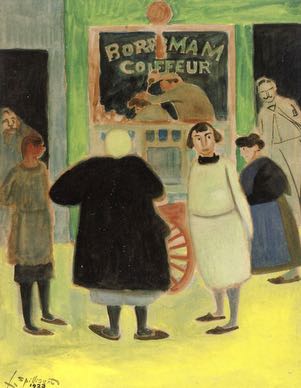
In the 20th and 21st centuries, contemporary artists continue to explore and reinterpret everyday life through various mediums and styles. From photorealism to abstract expressionism, artists address themes of modern life, social issues, and personal experiences, reflecting the complexities and nuances of contemporary existence. The depiction of everyday life remains a powerful tool for connecting with viewers and conveying the rich tapestry of human experiences.
Everyday life in art serves as a testament to the significance of daily routines and ordinary moments. Through diverse artistic interpretations, this genre offers valuable insights into the rhythms of human activity, celebrating the beauty and meaning found in the simplicity of everyday experiences. Whether through historical depictions or modern reinterpretations, art focused on everyday life continues to resonate with audiences, reflecting the universal aspects of human existence.
Copyright © 2026 BrushWiz. All Rights Reserved.