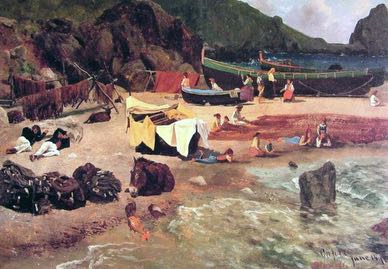
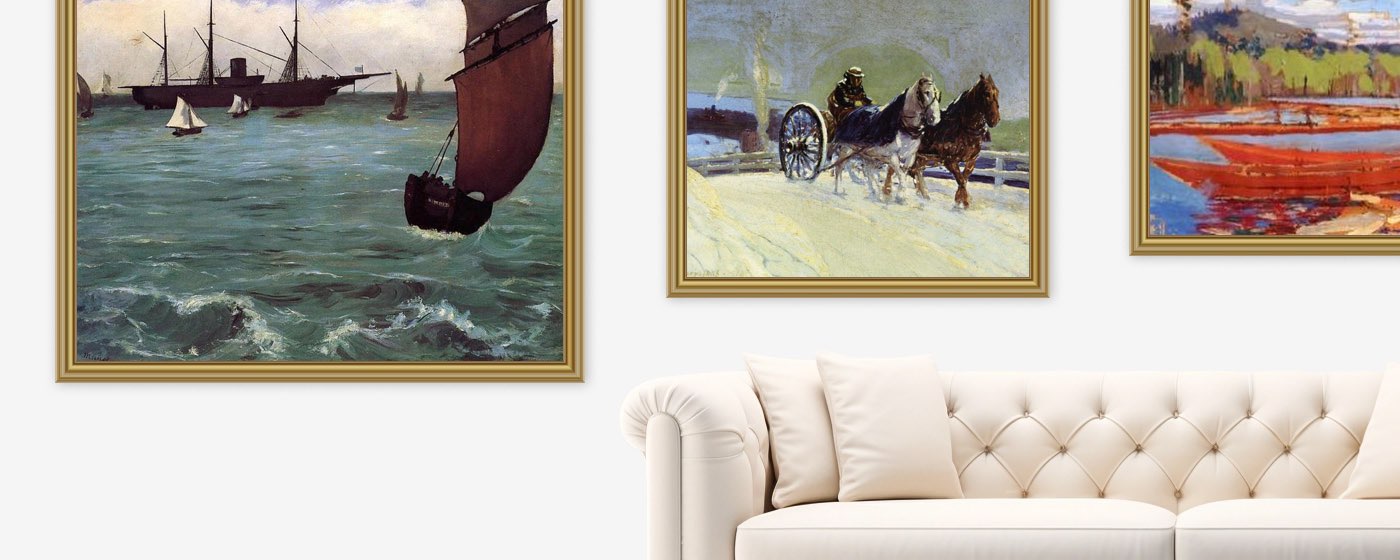
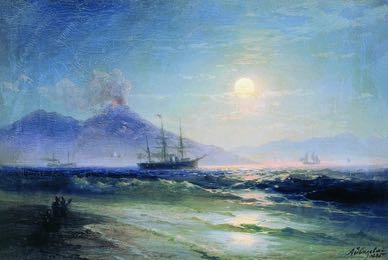
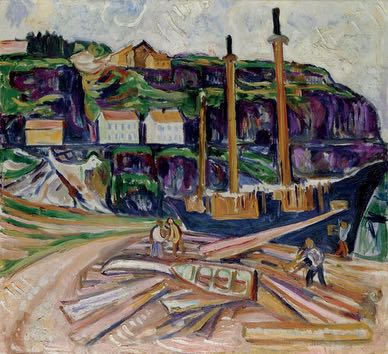
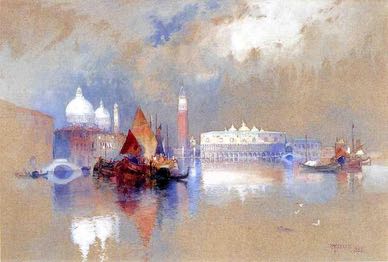
The depiction of transportation in art dates back to ancient civilizations, where ships were often featured in murals, pottery, and sculptures. In ancient Egypt, for example, tomb paintings and reliefs frequently showcased scenes of boats navigating the Nile, underscoring the significance of water transport in daily life and trade. Similarly, ancient Greek and Roman art included representations of maritime vessels, celebrating the naval prowess and exploration of these cultures.
During the Middle Ages, the focus on transportation art was less pronounced, as artistic attention shifted towards religious and historical subjects. However, illuminated manuscripts and tapestries from this period occasionally depicted medieval ships and carts, offering glimpses into the transportation methods of the time. These artworks often served to illustrate trade, exploration, and the daily activities of different classes in medieval society.
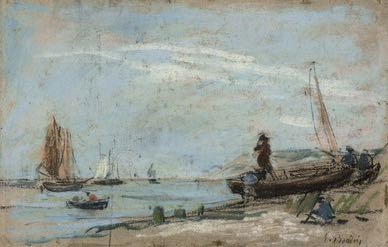
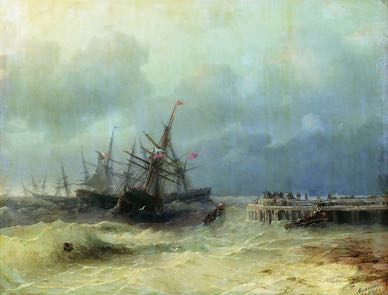
The 16th, 17th, and 18th centuries marked significant developments in transportation art, particularly in the depiction of ships and boats. The Age of Exploration and the expansion of maritime trade and colonization brought a heightened interest in capturing the grandeur and complexity of naval vessels.
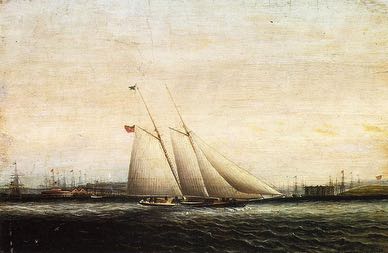
In the 16th century, artists began to focus more intently on maritime subjects as European powers expanded their naval fleets and embarked on global explorations. Detailed paintings and engravings of ships, often commissioned by maritime authorities and explorers, documented the design and scale of these vessels. This period also saw the rise of maritime painting as a distinct genre, with artists capturing scenes of naval battles, voyages, and the daily life of sailors.
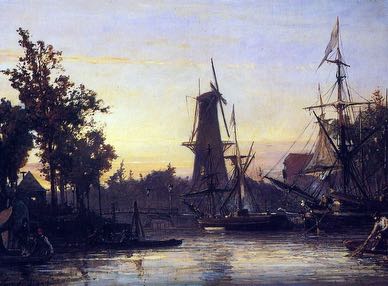
The 17th century witnessed the Golden Age of Dutch maritime painting, as the Netherlands emerged as a major maritime power. Dutch artists excelled in depicting ships and naval scenes with remarkable precision and detail. Paintings from this period often featured bustling harbors, detailed ship portraits, and dramatic naval engagements, reflecting the significance of sea trade and naval prowess in Dutch society. This era's artworks celebrated the technological advancements of shipbuilding and the dynamic nature of maritime activities.
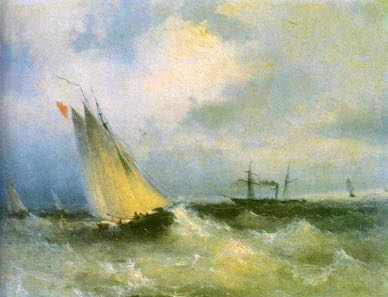
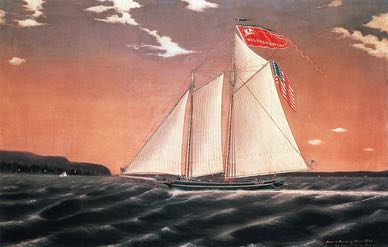
The 18th century continued this tradition with a focus on both naval and civilian maritime subjects. Artists from various countries portrayed ships engaged in exploration, trade, and military conflict. The period also saw the rise of the marine genre in England, where artists depicted the grandeur of British naval ships and the drama of naval battles. These works often emphasized the power and elegance of maritime vessels, capturing the essence of the era's maritime achievements.
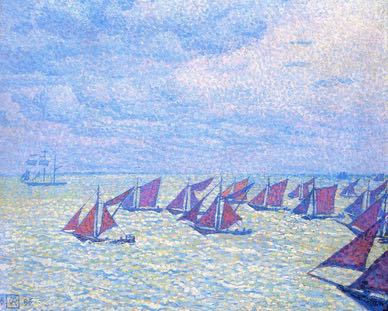
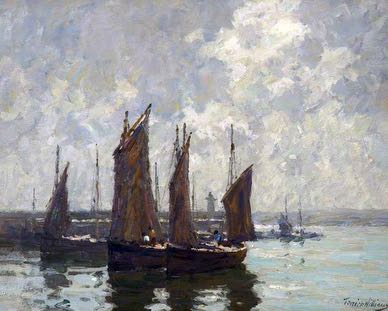
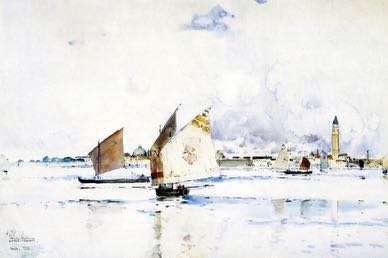
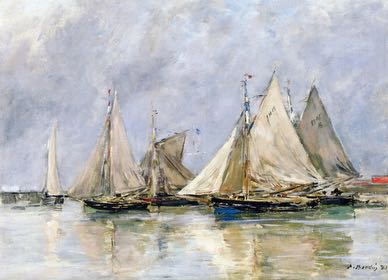
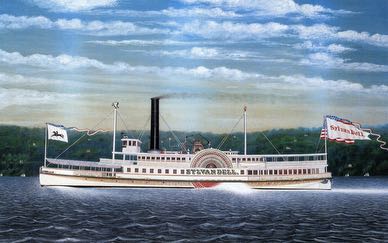
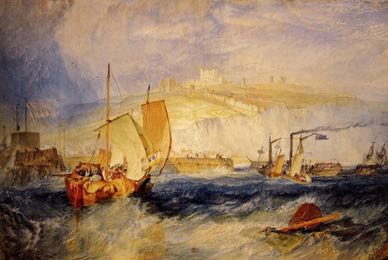
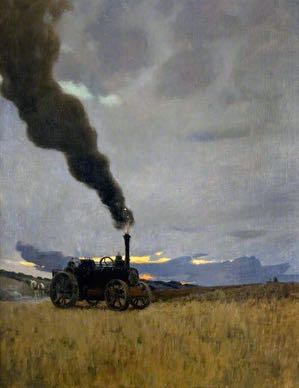
The 19th century marked a significant evolution in transportation art, coinciding with the Industrial Revolution and the rapid development of new technologies. This period saw a surge in interest in trains, steamships, and early automobiles, as artists began to explore and celebrate these innovations. The steam engine, in particular, became a popular subject, symbolizing progress and the transformative power of industrialization. Artists captured the grandeur of steam locomotives and the dynamic movement of trains, reflecting the excitement and impact of these new technologies on society.
The early 20th century brought a further evolution in transportation art, with the rise of automobiles and airplanes. Art from this period often highlighted the sleek design and speed of these new modes of transport, celebrating their role in shaping modern life. The art deco movement, in particular, embraced the aesthetics of speed and modernity, producing stylized and streamlined representations of cars, planes, and trains. This era's art captured the optimism and innovation of the time, reflecting a fascination with the possibilities of modern transportation.
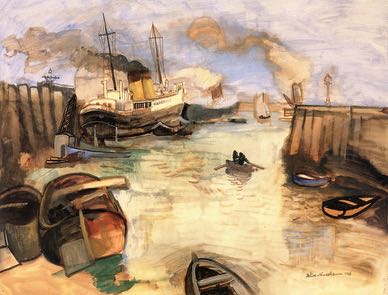
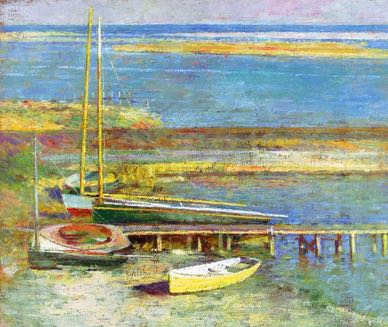
In contemporary times, transportation art remains a vibrant and diverse genre, with artists exploring a wide range of styles and themes. Modern transportation art often incorporates elements of abstraction, surrealism, and conceptual art, offering fresh interpretations of vehicles and transportation systems. Artists may focus on the interplay of technology and environment, the cultural significance of different modes of transport, or the emotional and symbolic aspects of movement and travel.
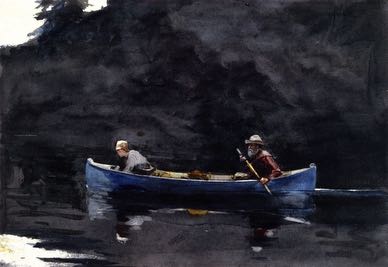
The legacy of transportation art lies in its ability to capture the transformative impact of technology on human experience. From ancient depictions of boats and carts to modern portrayals of trains, cars, and airplanes, transportation art reflects the evolution of human mobility and its significance in shaping society. As artists continue to explore and reinterpret the world of transportation, the genre remains a testament to the enduring fascination with movement and progress.
Throughout its history, transportation art has provided a unique and dynamic perspective on the technological and cultural changes that have shaped the way we travel. By celebrating the beauty and innovation of various modes of transport, this genre offers a rich and engaging narrative of humanity's journey through time.
Copyright © 2026 BrushWiz. All Rights Reserved.